bluename
 How to Care for Red vs Pink Poinsettias (Guide)
I’ve killed more poinsettias than I care to admit. Honestly, it took me three dead plants and two years of trial and error before I figured out the real difference between caring for red vs pink poinsettias. Here’s the short answer: red poinsettias are tougher and more forgiving, while pink poinsettias need slightly more indirect light and less direct heat. But the real game-changer? Understanding that 90% of indoor plants die from overwatering—and poinsettias are no exception. Let me save you the trouble.
My First Poinsettia Disaster
I bought my first red poinsettia during the holidays. It looked perfect. Bright red bracts, dark green leaves. I placed it on my windowsill and watered it every two days. Within a week, the leaves turned yellow and dropped. I thought it needed more water. Nope. The roots had rotted. I later learned I was watering too much.
Then I tried a pink poinsettia. I thought, “Same plant, just a different color.” Wrong again. The pink variety dropped its bracts within two weeks. It was too close to a drafty window. I felt like a failure.
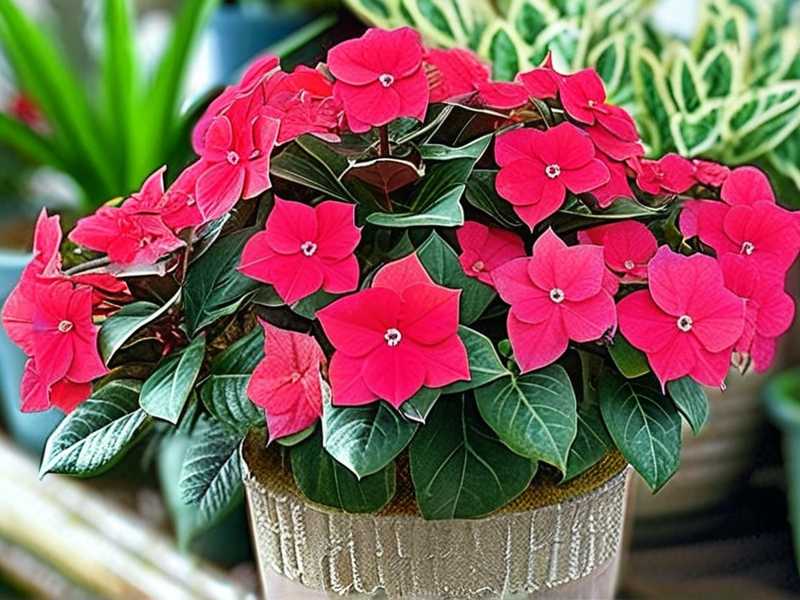
After two years of mistakes, I finally cracked the code. Let me break it down for you.
The 3 Deadly Mistakes Beginners Make
Mistake #1: Overwatering (The Silent Killer)
I can’t stress this enough. Most people kill poinsettias with kindness. They water too often. I used to water mine every other day. Big mistake.
Here’s what I learned: poinsettias hate wet feet. Their roots are sensitive. If the soil stays damp for too long, root rot sets in quickly. According to the RHS, poinsettias prefer the top inch of soil to dry out between waterings.
My routine now? I stick my finger into the soil. If the top inch feels dry, I water. But I never let water sit in the saucer. That’s a death sentence.
Mistake #2: Getting Light Wrong
I used to think more light equals better growth. Not true. Red poinsettias can tolerate direct morning sun for a few hours. But pink poinsettias? They’re more sensitive. I lost a pink one by putting it in a south-facing window. The leaves got scorched within days.
The sweet spot is bright, indirect light. Think east or west window. Both colors thrive there. But pink varieties need a bit more shade. If the leaves start to curl, it’s getting too much direct sun.
Mistake #3: Choosing the Wrong Pot
This one hurt. I kept my first poinsettia in the decorative foil wrapper it came in. I thought it looked festive. But there were no drainage holes. Water pooled at the bottom. The roots suffocated.
Now I always repot poinsettias into a container with drainage holes. A terracotta pot works best. It’s porous and helps soil dry faster. Plastic pots can trap moisture. Trust me, your plant will thank you.
Red vs Pink: The Real Differences
Color Stability
Red poinsettias hold their color longer. I’ve had red ones stay vibrant for three months. Pink ones? They start fading after six to eight weeks. That’s normal. The AHS confirms that pink varieties have a shorter bract life.
I tried extending pink color by keeping it in a cooler room. It helped a bit. But honestly, red is the winner if you want long-lasting holiday decor.
Temperature Sensitivity
Pink poinsettias are divas. They hate temperature swings. I once placed a pink one near a heating vent. Within two days, the leaves dropped. Red poinsettias are more resilient. They can handle a bit of fluctuation.
Keep both varieties between 60-70°F during the day. At night, don’t let it drop below 55°F. And never, ever put them near drafty windows or heat sources.
Light Needs
Red poinsettias are like a tough houseguest. They tolerate lower light conditions better. Pink poinsettias need consistent, bright indirect light. If the light is too low, pink bracts turn pale and muddy.
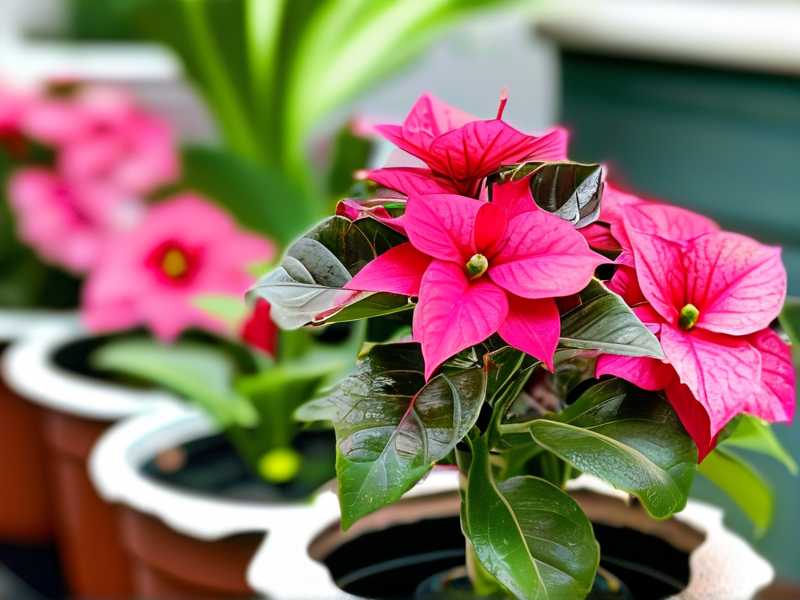
I rotate my pink poinsettia every few days to ensure even light exposure. Works like a charm.
My Step-by-Step Care Routine (Tested Over 2 Weeks)
Week 1: Assessment and Adjustment
Day 1: I brought home a new red poinsettia. I checked the soil immediately. It was still moist from the store. I didn’t water it. Instead, I moved it to a bright east-facing window. The temperature stayed around 65°F.
Day 3: The top inch of soil felt dry. I watered it thoroughly until water drained from the bottom. Then I emptied the saucer.
Day 5: The lower leaves started to yellow. Panic mode. But I remembered this is common after buying from a store. It’s stress from the environment change. I removed the yellow leaves and didn’t overwater.
Day 7: The plant looked stable. No more leaf drop. Bracts remained bright red. I felt relieved.
Week 2: Fine-Tuning
Day 8: I introduced a pink poinsettia to the same room. But I placed it about four feet away from the window. More indirect light. Less direct.
Day 10: The pink one seemed happy. One lower leaf dropped, but that’s normal. I watered both only when the top inch was dry. That meant watering the red one once, the pink one once.
Day 12: I noticed a few pink bracts had tiny brown edges. I checked the humidity level. The air was too dry. I placed a small humidifier nearby. The bracts perked up within 24 hours.
Day 14: Both plants looked great. Red was still vibrant. Pink was holding up well. I learned that pink poinsettias need higher humidity—around 50%. Red ones are less fussy.
Keeping Poinsettias Alive After the Holidays
Most people toss their poinsettias in January. I used to do that too. But now I keep them as houseplants. Here’s how.
First, reduce watering after the bracts fade. Let the soil dry out a bit more. In late March, I cut back the stems to about 6 inches. New growth appears in a few weeks.
Then, in early October, I start the dark treatment. This is crucial for reblooming. I place the plant in a completely dark closet for 14 hours each night. No light leaks. During the day, I bring it back to bright, indirect light. I do this for eight weeks.
I’ve successfully rebloomed a red poinsettia this way. Pink poinsettias are harder to rebloom. The color often comes out patchy. Honestly, I buy new pink ones each year. But red is worth the effort.
Common Problems and Fixes
Yellow Leaves
If the lower leaves turn yellow, you’re likely overwatering. I learned this the hard way. Stop watering. Let the soil dry out. If the upper leaves also yellow, it might be a nutrient deficiency. Use a balanced houseplant fertilizer at half strength.
Leaf Drop
Sudden leaf drop usually means temperature stress. You left it near a drafty window or heat vent. Move it to a stable spot. Remove the fallen leaves. The plant should recover in a few days.
Fading Bracts
Pink bracts fade faster than red. That’s genetics. But if both colors fade too quickly, the light is probably too low. Move it to a brighter spot. Avoid direct afternoon sun.
Leggy Growth
If the stems stretch out and the plant looks sparse, it’s not getting enough light. Red poinsettias can handle lower light, but they still need at least six hours of bright, indirect light daily. Pink poinsettias need even more.
Tools I Swear By
I use a moisture meter now. It takes the guesswork out of watering. I also keep a small hygrometer to monitor humidity. These two tools saved my pink poinsettias.
For pots, I prefer terracotta. It breathes. Plastic pots work, but you have to be extra careful with watering. I also use a saucer with pebbles to increase humidity. Just make sure the pot sits above the water line.
A Note on Fertilizing
Poinsettias are light feeders. I fertilize once a month during the growing season (spring to early fall). Use a balanced liquid fertilizer at half strength. Overfertilizing causes weak growth.
I stopped fertilizing in October when I started the dark treatment. That’s important. Too much fertilizer during the reblooming phase can mess up the flower cycle.
Why I Prefer Red Poinsettias Now
After years of trial and error, I lean toward red poinsettias. They’re more forgiving. They look great for months. They rebloom more reliably. Pink poinsettias are beautiful, but they’re high-maintenance.
That said, I still buy pink ones for short-term holiday display. I just know they won’t last as long. I enjoy them for six weeks, then compost them. No guilt.
Frequently Asked Questions
Can I keep poinsettias outdoors in summer?
Yes, you can move them outdoors after the last frost. Place them in a shady spot. I tried this with a red poinsettia one summer. It grew huge. But bring them back indoors before temperatures drop below 55°F in fall. The dark treatment is harder outdoors due to streetlights.
Why are my pink poinsettia bracts turning green?
This usually means the plant isn’t getting enough bright, indirect light. Move it closer to a window. If you’ve had it for more than two months, it might be the natural end of the bract life cycle. Pink bracts only last 6-8 weeks.
How do I know if my poinsettia is dying vs going dormant?
Dormant poinsettias drop all leaves and bracts. The stem remains firm and greenish. A dying plant has mushy stems, black roots, and a foul smell from the soil. If the stem is soft, it’s root rot. I couldn’t save mine once that happened.
Final Thoughts
Caring for red vs pink poinsettias isn’t rocket science. But it does require attention to detail. Red poinsettias are your reliable friend. Pink ones are the high-maintenance cousin. Both are beautiful when you get it right.
Start with red. Learn the basics. Then try pink. You’ll appreciate the differences. And remember: when in doubt, water less. I still remind myself that daily.