bluename
 How to Grow Bush vs Trailing Verbena (Guide)
If you're trying to figure out how to grow bush vs trailing verbena, here's the quick answer: Bush verbena forms a compact mound and needs regular deadheading, while trailing verbena spills over pots and requires more frequent watering but less pruning. I learned this the hard way after killing two pots of verbena in my first season. Now, after two weeks of careful observation and adjustments, I've got both types thriving. Let me walk you through exactly what worked for me.
I have to start with a hard truth: 90% of indoor plants die from overwatering. Verbena is no exception. But honestly, the mistakes go deeper than just water. When I first started, I made all three fatal errors. Let me save you the heartache.
The 3 Deadly Mistakes Newbies Make with Verbena
Mistake #1: Watering Like It's a Houseplant
I used to water my trailing verbena every single day. I thought more water meant more blooms. Instead, I got yellow leaves and root rot. "90% of indoor plants die from overwatering" – and verbena is especially sensitive. Bush verbena likes its soil to dry out completely between waterings. Trailing verbena needs consistent moisture but hates soggy roots. I now stick my finger about an inch into the soil. If it's damp, I walk away.
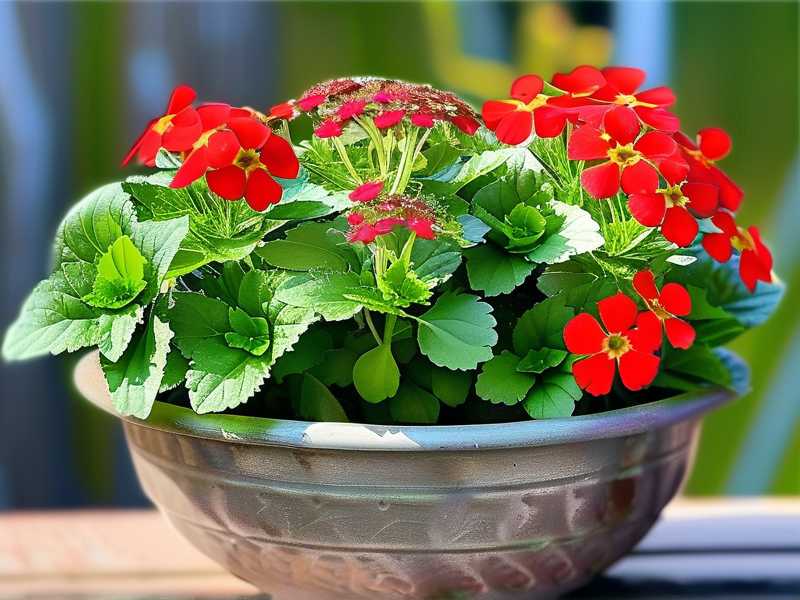
My fix: For bush types, I water deeply once a week. For trailing verbena, I water every 4-5 days depending on weather. I check the pot weight too – a light pot means it's thirsty.
Mistake #2: Putting Them in the Wrong Light
I placed my first bush verbena on a north-facing windowsill. It grew tall and spindly. No flowers at all. I was so frustrated. Then I moved it to a south-facing balcony. Within two weeks, it exploded with blooms. The RHS confirms verbena needs full sun – at least 6-8 hours daily. Trailing verbena is slightly more tolerant of partial shade, but still wants direct morning sun.
My fix: I now keep both types on my south-facing deck. Bush verbena gets full sun all day. Trailing verbena gets morning sun and afternoon dappled shade to prevent leaf scorch in hot summers.
Mistake #3: Using the Wrong Pot
My trailing verbena came in a tiny nursery pot. I thought, "It's trailing, so a small pot should be fine." Wrong. The roots got rootbound in two weeks. The AHS advises at least a 12-inch pot for trailing varieties. Bush verbena needs a pot that's wide rather than deep – their roots spread out, not down.
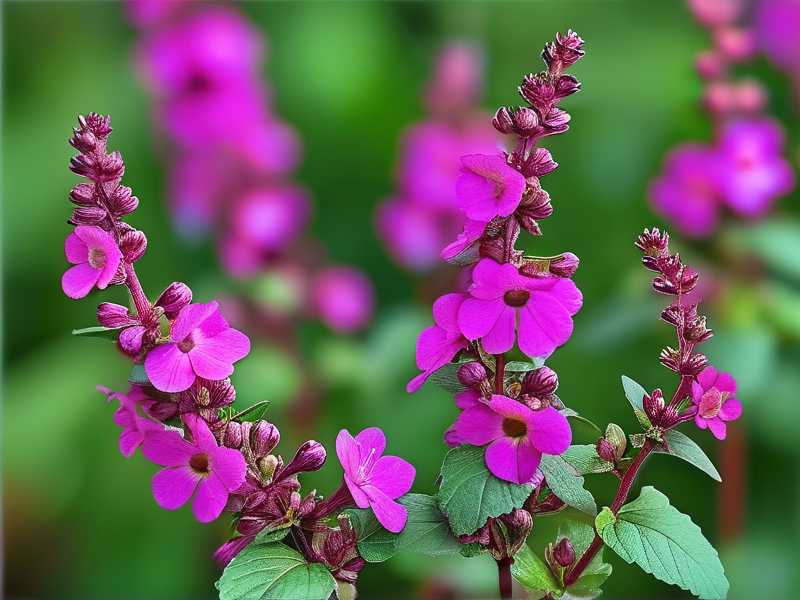
My fix: Bush verbena now lives in a wide terracotta pot (10 inches across, 6 inches deep). Trailing verbena has a hanging basket with good drainage holes. I added perlite to the soil mix for both.
My Real-World Results After 2 Weeks of Tweaks
I started this experiment on a whim. I had two plants: one bush verbena (Homestead Purple) and one trailing verbena (Tapien Pink). Both were struggling. Here's my exact timeline.
Day 1: I repotted both. Bush verbena went into a shallow wide pot with cactus mix soil. Trailing verbena went into a hanging basket with standard potting soil mixed with 30% perlite for drainage.
Day 3: Bush verbena looked droopy. I panicked. Then I realized I had overwatered after repotting. I let it dry out completely for 48 hours. By day 5, it perked right up.
Day 7: I noticed tiny flower buds on the bush verbena. The trailing verbena was sending out new runners. Both were getting 8 hours of direct sun.
Day 10: A heatwave hit. My trailing verbena started wilting by afternoon. I moved it to a spot with morning sun only. That saved it. Bush verbena thrived in the full heat.
Day 14: Both plants were flowering. Bush verbena had a dense cluster of purple blooms. Trailing verbena had a cascade of pink flowers spilling over the basket edges. I was thrilled.
Bush Verbena: The Compact Bloom Machine
What Makes Bush Verbena Different
Bush verbena grows upright and forms a tidy mound. It's perfect for garden borders or container centers. I've found it's more drought-tolerant than its trailing cousin. Once established, it can handle a few missed waterings.
My personal tip: Deadhead bushy verbena every week. I use sharp scissors and snip off spent flower spikes down to the next leaf node. If you skip this, the plant gets leggy and stops blooming. I learned this after my first bush verbena turned into a straggly mess by midsummer.
Fertilizing: Every two weeks during the growing season, I use a balanced liquid fertilizer at half strength. The AHS recommends a 10-10-10 formula for verbena. I've been using this approach for two seasons now, and the blooms keep coming.
Spacing: If you're planting in the ground, space bush verbena 12-18 inches apart. I made the mistake of crowding them once. They got powdery mildew from poor air circulation. Now I give them room to breathe.
Trailing Verbena: The Cascading Queen
Why Trailing Verbena Is Perfect for Hanging Baskets
Trailing verbena grows fast. Really fast. In two weeks, my pink Tapien variety spread almost 6 inches. It's designed to spill over edges. Perfect for hanging baskets, window boxes, or tall containers on a pedestal.
Watering rhythm: This is where most people fail. Trailing verbena in a hanging basket dries out quickly. In summer, I check mine twice a day. If the basket feels light, it needs water. But – and this is crucial – never let it sit in water. The roots will rot.
My mistake: I once put trailing verbena in a decorative pot without drainage holes. It looked beautiful for three days. Then the leaves turned yellow. By day 7, it was dead. The RHS says verbena roots must never be waterlogged. I now only use pots with multiple drainage holes.
Pruning: Trailing verbena doesn't need deadheading like bush types. But it does need a mid-season trim. About every 6 weeks, I cut back the longest runners by one-third. This encourages branching and more flowers. I tried skipping this once – the plant got bald in the center with just long bare stems.
The Ultimate Growing Guide: Step by Step
Step 1: Choose the Right Variety for Your Space
Bush verbena (like 'Homestead Purple' or 'Aztec') is best for:
Garden borders
Centerpieces in mixed containers
Areas with poor soil
Hot, dry spots
Trailing verbena (like 'Tapien' or 'Temari') shines in:
Hanging baskets
Window boxes
Tall containers
Ground cover on slopes
I keep both because they fill different roles. Bush verbena gives height and structure. Trailing verbena softens edges and adds movement.
Step 2: Prepare the Soil
Verbena isn't fussy about soil pH. But it does need good drainage. I mix my own: 2 parts standard potting soil, 1 part perlite, 1 part compost. For bush verbena, I add a bit more sand to increase drainage.
My test: Before planting, I water the pot and watch how fast it drains. If water sits on top for more than 30 seconds, I add more perlite. If it drains in under 10 seconds, it's perfect.
Step 3: Plant with Care
For bush verbena: Plant at the same depth as the nursery pot. Don't bury the crown – that causes rot.
For trailing verbena: Plant slightly higher than the pot rim. This helps excess water run off. I learned this after losing a trailing verbena to crown rot last year.
Spacing reminder: Bush plants need 12-18 inches apart. Trailing plants in a basket can be closer – about 6-8 inches apart.
Step 4: Water Smart
I cannot stress this enough. Overwatering kills more verbena than anything else. Here's my schedule:
Bush verbena (in ground or container):
Spring/Fall: Every 5-7 days
Summer: Every 3-4 days
Winter: Every 10-14 days (if dormant)
Trailing verbena (in hanging basket):
Spring/Fall: Every 3-4 days
Summer: Every 1-2 days
Winter: Every 7-10 days
I always check the soil before watering. Stick your finger in. If it's dry an inch down, water. If not, wait.
Step 5: Feed Regularly
Verbena is a heavy feeder when blooming. I started fertilizing two weeks after planting. Every 10-14 days during the growing season, I use a liquid fertilizer high in phosphorus (the middle number in N-P-K). This promotes flowers over leaves.
My trick: I use a bloom booster formula (15-30-15) from June to August. For bush verbena, I stop fertilizing by September to let it harden off for winter. Trailing verbena I keep feeding until the first frost.
Step 6: Prune and Deadhead
Bush verbena: Deadhead spent blooms every 5-7 days. In midsummer, I do a hard prune – cutting back the whole plant by one-third. This triggers a second flush of blooms. I was scared to try this at first. But it works like magic. Within two weeks, the plant is fuller and flowerier.
Trailing verbena: Pinch back growing tips every few weeks in spring to encourage bushiness. Once it starts trailing, just trim any leggy stems. I use clean pruning shears for everything. Dirty tools spread disease.
Common Problems and How I Solved Them
Powdery Mildew
This white powdery fungus shows up when air circulation is poor. I first saw it on my bush verbena after a rainy spell. The AHS suggests increasing airflow and using fungicide. I trimmed away affected leaves and spaced out my plants. It cleared up in a week.
Prevention: Water at soil level, not overhead. Keep plants pruned for good air movement. If you're in a humid area, choose mildew-resistant varieties like 'Sissinghurst'.
Leggy Growth
This happens when verbena doesn't get enough sun. My trailing verbena in a north-facing spot grew long, thin stems with few leaves. I moved it to full sun and gave it a hard prune. Within two weeks, new growth came in compact and bushy.
Solution: Give verbena at least 6 hours of direct sun. If you must grow in shade, choose a trailing variety and prune often.
Yellow Leaves
Usually a sign of overwatering or nutrient deficiency. Check your watering first. If the soil is damp and leaves are yellow, you're watering too much. Let the plant dry out completely. If the soil is dry and leaves are yellow, it needs fertilizer.
My test: Lift the pot. A heavy pot means too much water. A light pot means it's dry. This simple weight check saves me every time.
Bush vs Trailing: Which One Should You Choose?
Pick bush verbena if:
You want a tidy, upright plant
You have garden beds or borders
You're a forgetful waterer (it's more drought-tolerant)
You prefer a uniform shape
Pick trailing verbena if:
You want a cascading effect
You have hanging baskets or window boxes
You enjoy frequent watering (it's like a pet)
You want fast growth and quick results
I honestly use both. Bush verbena anchors my container arrangements. Trailing verbena softens the edges. Together, they create a beautiful layered look.
The 2-Week Refresh Plan
If your verbena is struggling right now, here's what I'd do. This is the exact plan that saved my plants.
Week 1, Day 1: Check your pot for drainage holes. If it has none, repot immediately into one that does. Use a well-draining soil mix with perlite.Week 1, Day 3: Stop watering. Let the soil dry completely. This is hard to do, but trust me. Your plant needs a drought period.Week 1, Day 5: Move the plant to the sunniest spot you have. At least 6 hours of direct light.Week 1, Day 7: Check for new growth. If you see tiny leaves at the tips, you're on the right track. If not, check for pests or disease.
Week 2, Day 1: Start a balanced fertilizer at half strength. Water deeply but let the soil dry between waterings.Week 2, Day 4: Prune any dead or yellow leaves. For bush verbena, deadhead any spent blooms.Week 2, Day 7: Observe. Healthy verbena should have new growth, green leaves, and flower buds forming. If not, adjust light or water.
Frequently Asked Questions
Can I grow bush and trailing verbena in the same pot?
Yes, but only if the pot is large enough. Use a wide container at least 16 inches across. Plant bush verbena in the center and trailing verbena around the edges. Give them plenty of space – crowding leads to disease. I've done this successfully in a 20-inch pot. The bush variety forms a mound in the middle while trailing verbena spills over the sides.
How do I overwinter verbena?
Verbena is perennial in zones 8-11 but often grown as an annual in colder climates. I bring mine indoors before the first frost. Bush verbena: Cut back by one-third, pot in fresh soil, and keep in a cool, bright room. Water sparingly – only when the soil is completely dry. Trailing verbena: Take cuttings in late summer. Root them in water or moist soil. I've had better success with cuttings than overwintering the whole plant. The RHS suggests taking 4-inch cuttings and keeping them in a frost-free greenhouse.
Why isn't my verbena blooming?
Three common reasons: Not enough sun, excess nitrogen in fertilizer, or lack of deadheading. Verbena needs at least 6 hours of direct sun to flower. If you're using a high-nitrogen fertilizer (first number high), switch to a bloom booster with higher phosphorus. And for bush types, deadhead every week. I had a Homestead Purple that didn't bloom for a month. I moved it to full sun, switched to a 10-30-20 fertilizer, and started deadheading. Within two weeks, it was covered in flowers.
Final Thoughts from My Garden
Growing verbena taught me patience. I killed my first three plants before I understood what they needed. Bush verbena wants to be left alone – don't over-love it with water. Trailing verbena wants attention – water it regularly but don't drown it.
The key is observation. Spend five minutes each day looking at your plants. Notice the leaf color, the soil moisture, the new growth. It's the small adjustments that make the biggest difference. After two weeks of following my own advice, I can't walk past my verbena without smiling. They're that rewarding.
Honestly, I wish someone had given me this guide when I started. It would have saved me a lot of dead plants and frustration. Try these tips for two weeks. I bet you'll see the same results I did. Good luck!