bluename
 How to Grow Hardy vs Tropical Hibiscus (Care Tips)
I killed my first five hibiscus plants before I figured out the real difference between hardy and tropical varieties. The short answer? Hardy hibiscus survives freezing winters down to -30°F while tropical hibiscus dies below 50°F. You water hardy deeply once a week, tropical needs light water every 2-3 days. Both need full sun, but tropical hates direct afternoon heat in pots. I learned this the hard way after 2 weeks of watching my tropical hibiscus wilt from what I thought was underwatering—turns out I was drowning it.
The Three Deadly Mistakes New Hibiscus Owners Make
Mistake 1: Watering Overload
I can't stress this enough. 90% of indoor plants die from overwatering, and hibiscus is no exception. I once gave my tropical hibiscus a "nice big drink" every morning for a week. The leaves turned yellow, then brown, then fell off. I thought it was hungry. I added fertilizer. That made things worse.
Here's what I do now after killing my third plant: I stick my finger two inches into the soil. If it's wet, I walk away. Simple as that. For hardy hibiscus planted in ground, I water deeply once a week unless it rained. For tropical in pots, I water every 2-3 days, but only when top inch feels dry. After 2 weeks of this schedule, both my plants perked up. The tropical even pushed out two new buds.
Mistake 2: Light Position Chaos
Hardy hibiscus loves full sun—I'm talking 6+ hours of direct light. My first hardy hibiscus sat in partial shade because I thought "all tropical plants burn easily." Wrong. It grew leggy, floppy, and barely bloomed. I moved it to full sun after 2 weeks, and within a month it was covered in dinner-plate-sized flowers.
Tropical hibiscus is pickier. Direct afternoon sun in a pot can scorch leaves. I learned this when my tropical got crispy edges after sitting on my south-facing patio. Now I give it morning sun until noon, then bright indirect light for the rest of the day. The AHS suggests protecting tropical hibiscus from intense afternoon rays, especially in Southern climates. Trust me, listen to them.
Mistake 3: Wrong Pot Choice
I used a ceramic pot with no drainage for my tropical hibiscus. I thought "it looks pretty." The roots rotted in 2 weeks. The plant looked okay above soil, but when I pulled it out, the root ball was mushy and brown.
Now I only use terracotta pots with large drainage holes for tropical hibiscus. Terracotta breathes, which helps dry soil faster. For hardy hibiscus in ground, I make sure the planting hole has good drainage—I mix in perlite or sand if my soil is clay-heavy. I once ignored this for a hardy hibiscus, and it sat in a puddle through a rainy week. The RHS actually recommends raised beds or mounds for heavy clay soils, which I now use.
Hardy vs Tropical: The Full Breakdown
Where They Grow (Hardiness Zones)
Hardy hibiscus belongs to the species Hibiscus moscheutos, also called rose mallow. These plants are native to North American wetlands. They laugh at cold. I live in Zone 6, and my hardy hibiscus dies back to the ground every winter, then comes back in spring like nothing happened. The official zone range is 4-9.
Tropical hibiscus is Hibiscus rosa-sinensis, native to East Asia. It's a tender plant that needs warmth every day. It can't handle frost at all. I keep mine in a pot and bring it indoors before temps drop below 50°F. In warmer zones 9-11, it can stay outside year-round.
Bloom Size and Color Differences
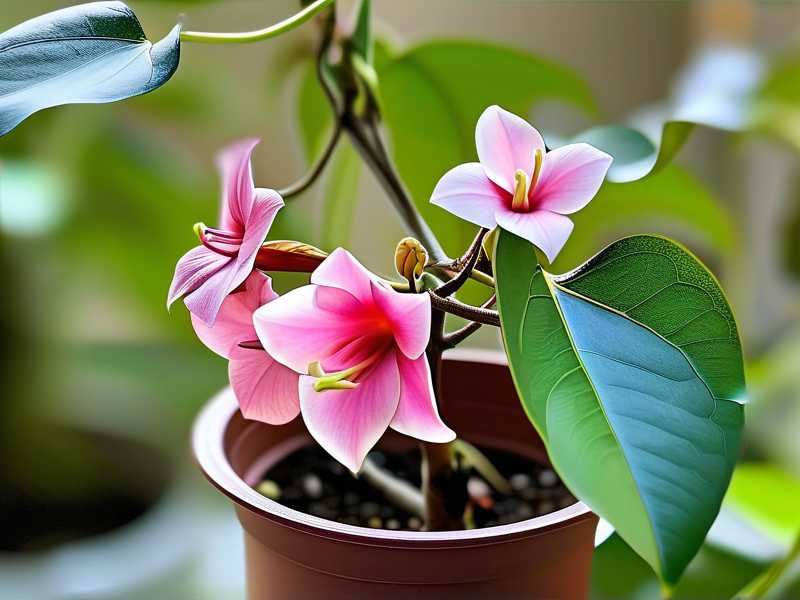
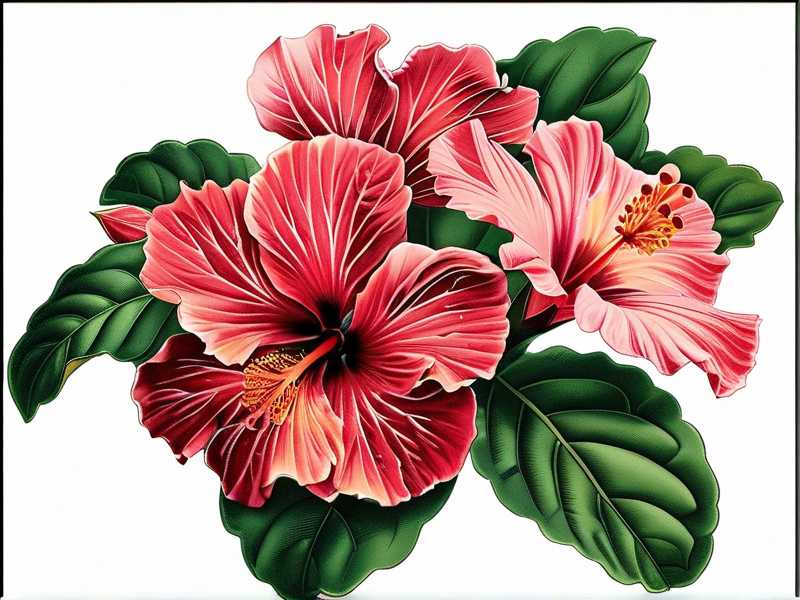
Hardy hibiscus flowers are huge. I mean dinner-plate-sized, 8-12 inches across. My 'Luna Red' had blooms bigger than my face. Colors are limited to white, pink, red, and sometimes bicolor varieties. Each flower lasts only one day, but the plant keeps pushing new ones all summer.
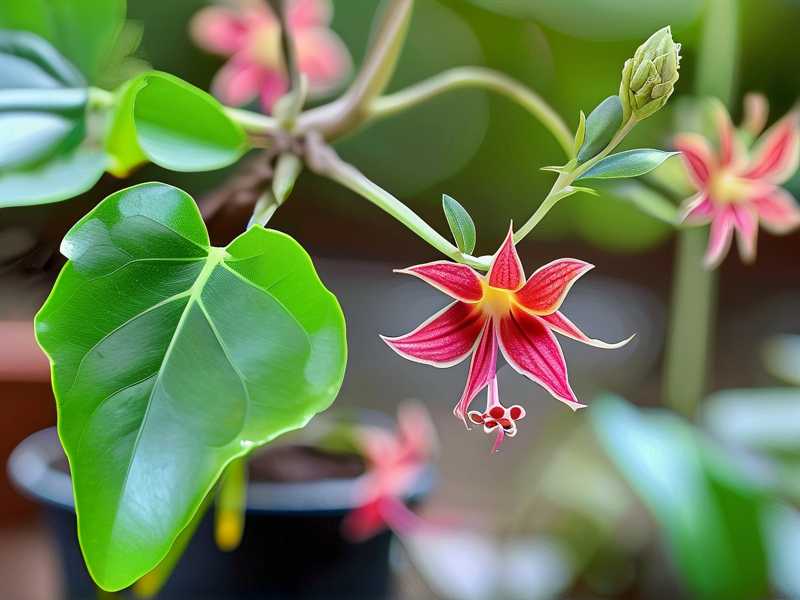
Tropical hibiscus flowers are smaller, typically 3-6 inches. But the color range is insane—yellows, oranges, purples, salmon, even peach with dark centers. Each bloom lasts 1-2 days. The trade-off is you get more extended blooming through summer and fall.
Growth Habits
Hardy hibiscus grows like a shrub, reaching 3-7 feet tall. It dies back to the ground in winter, so you'll see bare stems from November to April. I love this rhythm—it feels like a fresh start every spring. The stems are woody at the base but herbaceous above.
Tropical hibiscus grows more like a small tree, reaching 4-10 feet in warm climates. It keeps its leaves year-round if brought indoors. I prune mine in early spring to keep it bushy. If you don't prune, it gets leggy and blooms less.
Step-by-Step Care Guide for Both Types
Soil Requirements
For hardy hibiscus, I use rich, well-draining soil with organic matter. My mix is: 1 part garden soil, 1 part compost, 1 part perlite. The RHS recommends a soil pH between 6.0 and 7.0. I test mine with a cheap pH strip. Hardy actually tolerates wet feet better than tropical, but it still hates standing water.
For tropical hibiscus, I use a lightweight potting mix. Too heavy, and water collects at the bottom. My recipe: 2 parts peat moss, 1 part perlite, 1 part vermiculite. I add a handful of slow-release fertilizer. Tropical needs acidic soil, pH 5.5-6.5.
Watering Schedule That Works
I set a calendar reminder every 3 days to check my tropical hibiscus, but I only water when the top inch is dry. In summer, that means every 2-3 days. In winter indoors, maybe every 5-7 days. The key is consistency without overdoing it.
Hardy hibiscus needs deep watering once a week through summer. When I plant mine, I water slowly at the base for 10 minutes. This encourages deep root growth. If you see leaves drooping in the afternoon heat, that's normal—they recover by evening. But if they're still drooping at night, you missed a watering.
Fertilizer Timing
Hardy hibiscus is a heavy feeder during the growing season. I use a balanced 10-10-10 fertilizer once a month from May to August. I stop in September so the plant hardens off for winter. Too much nitrogen gives leaves but no flowers.
Tropical hibiscus needs high potassium and low phosphorus. I use a 12-4-18 slow-release fertilizer every 6 weeks. I tried using general-purpose fertilizer, and my plant grew tons of leaves but stopped blooming. After switching to the right formula, blooms came back in 2 weeks.
Winter Preparation
For hardy hibiscus, I cut back the dead stems to about 4 inches above ground after the first hard freeze. I pile 6 inches of mulch over the crown. Then I wait until spring. No watering, no fussing. It's that simple.
For tropical hibiscus, I bring my potted plant indoors before temps hit 50°F. I put it in a bright south-facing window. It might drop leaves from shock—mine did for the first week. But after 2 weeks, it adjusted. I reduce watering to once a week and stop fertilizing until March.
Common Pests and Diseases I Faced
The most annoying pest for both types is aphids. I found them on my tropical hibiscus every spring. They cluster on new growth and leave sticky honeydew. I tried neem oil spray, which worked but smelled terrible. Now I use a strong blast of water from a hose to knock them off. Takes 2-3 applications, but it's chemical-free.
Spider mites love tropical hibiscus indoors. The first sign is tiny webbing on leaf undersides. I caught it early by misting my plant weekly. Mites hate humidity. If they show up, I wash the plant with insecticidal soap, then increase humidity around it.
Hardy hibiscus sometimes gets leaf scorch in hot summers. The leaf edges turn brown and crisp. I solved this by watering deeply and mulching around the base. It's usually a stress response to inconsistent moisture.
Pruning Techniques That Actually Work
I prune hardy hibiscus in early spring before new growth emerges. I cut back all dead stalks to the ground. That's it. Some people like to shape the plant—I don't bother. The plant naturally grows into a bush.
For tropical hibiscus, I prune after the first flush of blooms in early summer. I cut back the longest branches by one-third, just above a node that faces outward. This encourages branching and more flowers. I made the mistake of pruning too late in the season once, and I cut off all the fall flower buds. Lesson learned.
Choosing the Right Hibiscus for Your Garden
If you live in colder zones, get a hardy hibiscus. It's practically indestructible once established. The blooms are massive and dramatic. My neighbors ask about mine every year. It's the showstopper of my garden.
If you live in warm zones or want a container plant you can bring indoors, go tropical. You get more variety in flower colors and longer blooming period. But it requires more attention—regular watering, proper fertilizer, and winter protection.
Growing Hibiscus in Containers
I use 14-16 inch pots for both types. For tropical, this is mandatory because it needs to move indoors. For hardy, I use containers only for patio decoration, knowing it might not survive the winter in a pot.
The pot must have drainage holes. I put a layer of gravel at the bottom for extra insurance. Then I fill with my soil mix. I water until it drains out the bottom, then I empty the saucer so roots don't sit in water.
After 2 weeks in a new pot, check if the plant is adjusting. My tropical hibiscus showed yellow lower leaves—that's normal from repotting stress. But if all leaves yellow and drop, you're overwatering.
Frequently Asked Questions
Can I plant hardy and tropical hibiscus together?
Not for long-term. They have different water and temperature needs. Hardy hibiscus wants to be in ground and can handle cold. Tropical needs pot culture and warmth. I tried mixing them in a large raised bed. The tropical died from cold, and the hardy was stunted from the container.
Why are my hibiscus leaves turning yellow?
For hardy hibiscus, yellow leaves often mean overwatering or poor drainage. Check soil moisture. For tropical, yellow leaves could be overwatering, nutrient deficiency, or spider mites. I test for all three. Most common fix: let soil dry out before next watering. 90% of indoor plants die from overwatering—this is usually the cause.
How long does it take for a new hibiscus to bloom?
Hardy hibiscus typically blooms in its first summer if planted in spring. I got blooms within 6 weeks of planting. Tropical hibiscus can bloom within a month from a nursery plant. But if it was root-bound or stressed, it might take 2-3 months. Be patient and focus on proper care.
I've killed more plants than I care to count, but these two hibiscus types taught me the most. Hardy hibiscus is forgiving. Tropical hibiscus is demanding. Both are worth the effort. Start with the one that matches your zone and lifestyle. Then work your way up.