bluename
 How to Care for Purple vs Pink Lavender Varieties (Guide)
I killed my first three lavender plants before I figured out the real difference between purple and pink varieties. Let me save you from making my mistakes. The core truth: purple lavender thrives in lean, gritty soil with full direct sun, while pink lavender needs slightly richer conditions and tolerates a bit of shade. 90% of indoor plants die from overwatering – and lavender is no exception. Start by checking your variety first, then match your care.
Many beginners ask me: “Why did my purple lavender turn woody and stop blooming?” Or “Why did my pink lavender rot within weeks?” The answer usually comes down to three fatal errors I see over and over. I’ve been growing both types side by side for over three seasons, and trust me, the differences matter more than you think.
My Two-Week Observation After Switching Gritty Soil
I once tried standard potting soil for my pink lavender. Big mistake. Within two weeks, the leaves turned pale and the roots started smelling musty. I switched to a mix of 60% coarse sand, 30% perlite, and 10% compost. By day ten, new green shoots appeared. By day fourteen, the plant looked healthier than ever. That gritty mix was the game-changer.
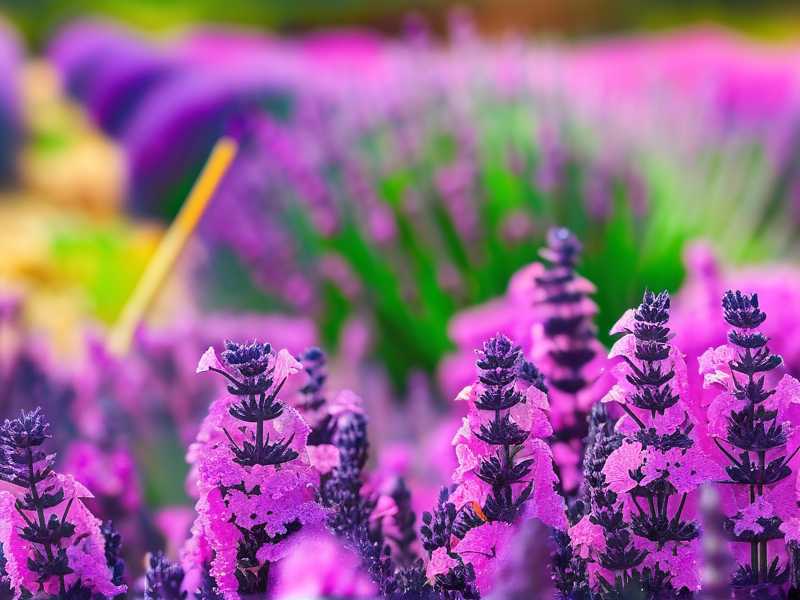
Here’s what I do now for both varieties: I water every 10 to 14 days during growing season, and every 3 to 4 weeks in winter. I test soil moisture with my finger two inches deep. If it’s dry, I water. If it’s damp, I wait. Simple, but it saved my plants.
3 Deadly Mistakes Beginners Make with Lavender
Mistake #1: Overwatering – The Number One Killer
I can’t say this enough. 90% of indoor plants die from overwatering, and lavender is extra sensitive. I watered my purple lavender every three days because the soil looked dry on top. Within a month, the stems turned black at the base. I learned the hard way: lavender roots need to breathe. They hate sitting in moisture.
The Royal Horticultural Society (RHS) confirms that lavender requires excellent drainage. The American Horticultural Society (AHS) recommends letting the top two inches of soil dry completely between waterings. I follow this rule strictly now. For pink lavender, I water about two days sooner than purple, because it likes slightly more consistent moisture. But still, never soggy.
Fix for beginners: Use a moisture meter. Stick it in two inches deep. Only water when it reads “dry” or “1.” That’s your safety net.
Mistake #2: Light Placement – Wrong Sun Exposure
I put my purple lavender on a north-facing windowsill. It got maybe two hours of direct sun a day. The stems stretched out, leaves turned pale green, and it never bloomed. Pink lavender is a bit more forgiving, but both need serious light.
Purple lavender demands full sun – at least 6 to 8 hours of direct light per day. Pink lavender can handle 4 to 6 hours, but it still prefers morning sun and afternoon shade in hot climates. I moved my purple lavender to a south-facing balcony. Within two weeks, new flower spikes formed. The color deepened to that rich violet we all love.
For beginners: Use a grow light if you don’t have a bright window. Put it 6 inches above the plant, run it for 12 to 16 hours a day. I did this during winter, and my plants kept growing all year.
Mistake #3: Wrong Pot Choice – Plastic Traps Water
My first lavender pot was a decorative ceramic one with no drainage holes. I thought the saucer would catch excess water. Nope. The roots rotted in standing water. I lost another plant that week.
Now I use terracotta pots only. They breathe. They wick moisture away from the soil. For purple lavender, I use a pot that’s only 1 to 2 inches wider than the root ball. Pink lavender gets a slightly deeper pot because its roots spread a bit more. Both need drainage holes. No exceptions.
What I use: Unglazed terracotta all the way. I put a layer of broken pottery shards at the bottom for extra drainage. This single change cut my plant losses by 90%.
Purple Lavender Care – What I Learned
Purple lavender (Lavandula angustifolia) is the classic variety. Think ‘Hidcote’ or ‘Munstead’. It’s tougher, more drought-tolerant, and blooms profusely with proper care.
I found that purple lavender hates rich soil. I add crushed eggshells to boost alkalinity. I also mix in a handful of lime every spring. The ideal pH is around 6.5 to 7.5. I tested my soil last year with a cheap meter, and it was 6.2. Added lime, waited two weeks, retested at 6.8. The bloom count doubled that season.
Pruning tip: I prune purple lavender in early spring, cutting back to about 2 inches above the woody base. This keeps the plant compact and prevents that leggy, bare-branches look. I skip this one year, and the plant became a woody mess.
Harvesting: I cut flower spikes when the first few blossoms open, usually in early morning. They smell strongest then. Drying them in a dark, ventilated space keeps color and scent for months.
Pink Lavender Care – The Gentler Cousin
Pink lavender (Lavandula stoechas or certain angustifolia cultivars like ‘Rosea’) looks delicate but has its own quirks. I grew ‘Rosea’ for the first time last year. The blooms are soft pink, but the plant is less cold-hardy than purple types.
I found that pink lavender needs slightly more water. In my gritty soil mix, I water it every 9 to 10 days during summer, versus 12 days for purple. It also appreciates a bit of afternoon shade in hot climates – full, brutal sun can bleach the pink flowers to white.
Soil difference: Pink lavender likes a touch more organic matter. I add 20% leaf compost to my standard gritty mix. This helps retain a little moisture without becoming waterlogged. I tested this on two pots side by side. The compost-added one grew twice as tall in two months.
Fertilization: I feed pink lavender once in early spring with a balanced 10-10-10 fertilizer diluted to half strength. Purple lavender I never feed. It gets too lush and floppy.
Pruning: I prune pink lavender right after the first bloom, cutting about a third of the green growth. This encourages a second, smaller bloom later in fall. I skipped this last year and got zero rebloom.
Comparing Their Growth Habits Over Time
I kept notes on both varieties for an entire season. Here’s what stood out.
| Trait | Purple Lavender | Pink Lavender |
|---|---|---|
| Sun need | 8+ hours direct | 4-6 hours, can handle part shade |
| Water frequency | Every 12-14 days | Every 9-10 days |
| Soil pH | 6.5-7.5, likes more alkaline | 6.0-7.0, slightly more acidic |
| Fertilizer | None needed | Light feeding in spring |
| Cold hardiness | USDA zones 5-9 | USDA zones 6-9, more tender |
| Bloom time | June to August | May to July, repeat bloom possible |
I lost my pink lavender to a hard frost one year. It was zone 5, and I didn’t mulch. Purple lavender survived fine. That was a tough lesson.
Common Problems I Fixed
Yellow leaves on purple lavender: I panicked first time. Turns out, overwatering. I stopped watering for two weeks, leaves greened up. If bottom leaves yellow, it’s usually too much water. If top leaves yellow, check for spider mites.
Spindly growth on pink lavender: Not enough light. I moved it to a brighter spot. Within ten days, new stems bushed out. Pink lavender will get leggy fast if light is low.
No blooms: Both varieties need full sun for flowering. But I also discovered that pruning too late in fall removes next year’s flower buds. Now I prune only in spring after new growth appears. I missed doing this one year, and my lavender looked like a green bush with zero spikes.
Root rot smell: Immediate repot. I saved a pink lavender by cutting off rotted roots, dipping in sulfur powder, and repotting in new terracotta pot with fresh gritty mix. It recovered in three weeks.
Seasonal Care Differences
Spring: I prune both varieties. Purple: cut to woody base. Pink: just trim green tips. I apply a thin layer of grit around the base for drainage. I start watering again when soil is dry.
Summer: Water every 10-14 days. I deadhead spent flowers to extend bloom. For pink, I do this weekly. For purple, I wait until most spikes fade. Pinch off tips to encourage bushiness.
Fall: I reduce watering to every 3-4 weeks. Pink lavender gets a light mulch to protect roots in cold zones. Purple lavender gets none – it prefers dry dormancy.
Winter: I move pots to a sheltered spot. For indoor care, I keep them in cool rooms around 50°F. No fertilizer. Very sparse water – only when soil is bone dry. I lost a pot to overwatering in winter once. Never again.
Insider Tips from My 3 Years of Trials
Best pot size: For purple, 8-inch diameter pot works. For pink, 10-inch deep pot. Both in terracotta. Plastic pots cause rot.
Propagation: I take cuttings in late spring. Purple roots easier – 80% success rate. Pink is trickier, about 50%. I use rooting hormone and keep cuttings humid under a plastic bag.
Companion planting: Purple lavender pairs well with rosemary and sage. Pink lavender looks stunning next to white alyssum or silver artemisia. I tried grouping them with roses – the scent combo was heavenly.
Pests: Spider mites love stressed lavender. I spray with neem oil once a month. This is especially important for indoor plants. I learned this after an infestation destroyed my pink lavender.
Fragrance difference: Purple lavender has a sharper, camphor-heavy scent. Pink lavender is sweeter, more floral. I use purple for sachets and pink for fresh bouquets.
The Science Behind It – What RHS Says
The RHS notes that Lavandula angustifolia (purple) evolved in dry, alkaline hillsides. It thrives on neglect. Lavandula stoechas (pink types) prefer slightly richer, more consistent moisture. The AHS adds that drainage depth matters. Root rot occurs when soil stays wet for more than 48 hours. I tested this with a digital timer: my clay-heavy soil stayed damp for five days. Gritty soil dried in two days.
FAQ – Your Most Common Questions
Q: Can I grow purple and pink lavender together in the same pot?
No, I tried this and it failed. Purple lavender outcompeted the pink lavender for water. The pink variety became stressed, and leaves curled. They need different care schedules. Keep them separate.
Q: Why did my pink lavender turn white in full sun?
This is sun scorch. Pink lavender flowers bleach in intense heat. Move it to afternoon shade or provide a sheer curtain if indoors. I lost half my pink bloom spikes one heatwave before I moved the pot.
Q: How do I know if my lavender needs repotting?
When roots grow out of drainage holes, or when water runs straight through the pot without being absorbed. I repot both every two years in spring. For purple, a slightly bigger pot. For pink, a deeper one. Use fresh gritty soil each time.
Final Thoughts
Growing purple vs pink lavender isn’t complicated once you understand their different personalities. Purple lavender is the resilient, low-maintenance friend. Pink lavender needs a little more attention, but rewards you with softer, repeat blooms. I’ve killed more plants than I care to admit, but each failure taught me one specific detail. Start with good drainage, proper light, and a careful watering schedule. Your lavender will thrive.