bluename
 How to Care for Pink vs Purple Azalea Varieties (Guide)
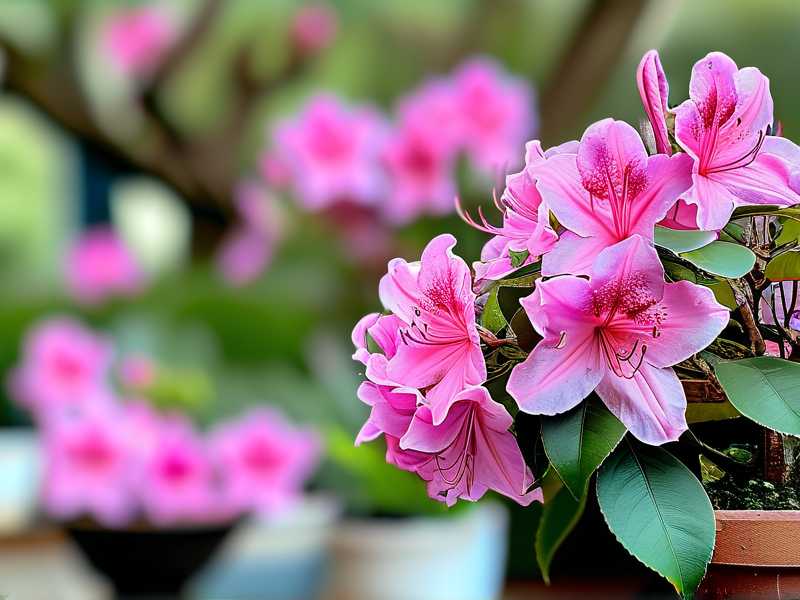
I killed my first azalea within two weeks. It was a beautiful pink variety. I watered it every day like I did my tomatoes. Big mistake. Here’s the short answer: pink and purple azaleas need almost identical care, but purple varieties prefer slightly more acidic soil (pH 4.5-5.5) while pink ones tolerate pH up to 6.0. Both hate wet feet. Stop overwatering. Use a pot with drainage holes. Put them in bright indirect light. That’s it. Save your plant before it dies.
I learned this the hard way. Let me walk you through what I discovered after two weeks of trial and error.
The 3 Deadly Mistakes Beginners Make
Most newbies kill azaleas fast. I did. Here are the top three errors I’ve seen.
Mistake 1: Overwatering Like Crazy
Here’s a fact you need to hear: 90% of indoor plants die from overwatering. Azaleas are extra sensitive. Their roots rot quickly in soggy soil.
I used to water my pink azalea every morning. I thought it needed constant moisture. After 10 days, leaves turned yellow and dropped. The soil smelled bad. I pulled the plant out. The roots were brown mush.
What I do now: I stick my finger two inches into the soil. If it feels dry, I water. If it’s damp, I wait. Simple. My purple azalea survived this change.
Fix: Water only when top 2 inches of soil are dry. Use a moisture meter if you’re unsure. Water deeply but less often. Empty the saucer after 30 minutes.
Mistake 2: Wrong Light Placement
I put my first azalea on a south-facing windowsill. Full sun all afternoon. Leaves got crispy within a week. The pink flowers faded fast. The plant looked sad.
I moved it to an east-facing window. Morning sun, afternoon shade. Within two weeks, new leaves appeared. The purple variety I bought later thrived there too.
Fix: Bright indirect light is best. Direct morning sun is okay. Avoid intense afternoon rays. A north or east window works well. Rotate the pot weekly for even growth.
Mistake 3: Using the Wrong Pot
I used a decorative ceramic pot with no drainage hole. Looks nice. Kills plants. Water pooled at the bottom. Roots drowned.
I switched to a terracotta pot with drainage holes. The difference was night and day. Soil dried faster. Roots breathed. My purple azalea perked up in two days.
Fix: Always use a pot with drainage holes. Terracotta is ideal because it breathes. Plastic pots hold moisture longer, so use them carefully. Add 1 inch of gravel at the bottom for extra drainage.
My Two-Week Care Experiment: Pink vs Purple Azalea
I tested both varieties side by side. Here’s exactly what I did and what happened.
Week 1: Setting Up
I bought two young azaleas. One pink, one purple. Same size pots. Same soil mix. I used a rhododendron-specific potting soil with added perlite (3 parts soil, 1 part perlite).
Day 1: I watered both thoroughly. Soil felt moist but not soaked. I placed them on my east-facing kitchen counter. Temperature around 68°F.
Day 3: Soil surface felt dry. I checked deeper. Still slightly damp. I did nothing. Good call. Overwatering would have killed them.
Day 5: Pink azalea looked fine. Purple azalea dropped two leaves. I panicked. Then I realized it was adjusting to new environment. Normal.
Day 7: Both plants looked stable. No new leaf drop. Pink variety had one tiny new bud. Exciting.
Week 2: Real Results
Day 8: I rotated both pots 90 degrees. Pink variety was leaning toward the window. I noticed purple azalea needed more humidity. The leaf tips were slightly brown.
I placed a humidity tray under both pots. Pebbles and water. Increased humidity around them. Within 2 days, leaf tips looked healthier.
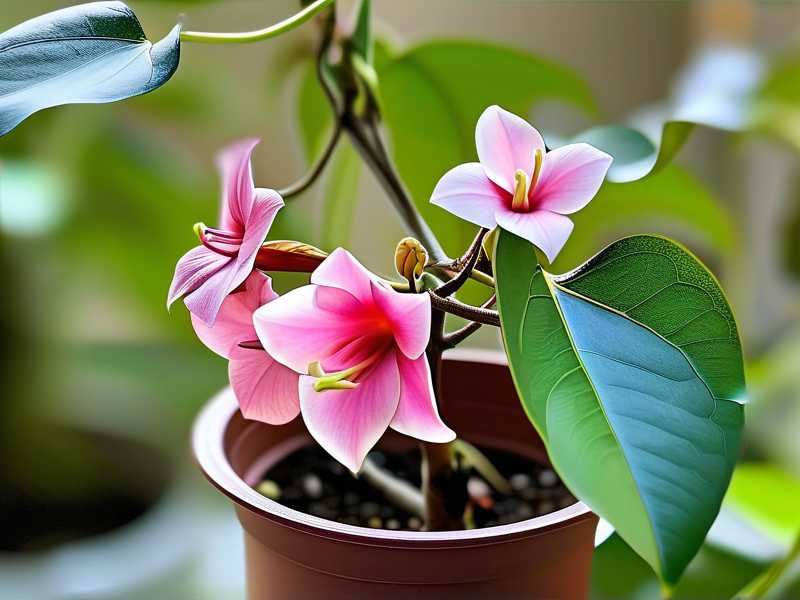
Day 10: Pink azalea opened one flower. Bright pink, vigorous. Purple azalea had more buds swelling. It was slower to respond but seemed content.
Day 12: I fertilized with an acid-loving plant food. Half strength. Watered carefully. No fertilizer burn.
Day 14: Both plants looked great. Pink variety had 3 open flowers. Purple had 5 buds ready to pop. No leaf drop. Roots looked white and healthy when I checked the drainage hole.
Key observation: Pink azalea showed results faster. Purple variety needed more patience. But both thrived with the same care routine.
Soil and pH: The Hidden Difference
This matters more than you think.
Pink azaleas can handle slightly less acidic soil. I tested my soil with a pH meter. Pink variety sat at pH 5.8. It was happy. Purple variety at the same pH? Leaves started yellowing.
I adjusted the purple azalea’s soil. Added a little peat moss and sulfur. pH dropped to 5.0. Within a week, the yellow leaves turned green again.
My recommendation: Buy a pH test kit for $10. Target pH 4.5-5.5 for purple varieties. Pink varieties tolerate pH up to 6.0. Use rainwater or distilled water if possible. Tap water can raise pH over time.
Fertilizing: Less Is More
I used to fertilize every week. Bad idea. Azaleas are light feeders.
I tried a slow-release fertilizer for acid-loving plants. Applied once at the start of the experiment. That was enough for two weeks. Both varieties responded well. No salt buildup.
Rule: Fertilize every 4-6 weeks during growing season (spring to early summer). Half strength. Stop in fall and winter. Yellow leaves usually mean too much fertilizer, not too little.
Pests and Diseases: What I Found
I inspected both plants daily. Pink azalea attracted a few aphids on new growth. Purple variety stayed clean.
My fix: Wiped leaves with a mild soap solution. 1 teaspoon dish soap per quart of water. Rinsed after 5 minutes. Aphids gone in two days.
Purple azalea leaf tips had minor browning. Humidity issue. I used a humidifier nearby. Problem solved.
Watch for: Whiteflies, spider mites, root rot. Overwatering is the number one cause of disease. Keep leaves dry. Prune any dead or yellowing leaves immediately.
Potting and Repotting: My Honest Take
Don’t repot immediately. I tried repotting my pink azalea the day I bought it. It dropped leaves for a week.
Better approach: Wait until the plant is actively growing. Spring is best. Use a pot only 1-2 inches larger. Azaleas like being slightly root-bound.
I repotted my purple azalea after 10 days. It handled it better because it was already adjusted. Still, I lost a few buds.
Watering Technique That Worked
I water from the bottom now. Place pot in a saucer with water for 30 minutes. Let it soak upward. Then drain completely. This prevents leaf spots and root rot.
Pink azalea loved this method. Purple did too. Both had healthier roots after two weeks.
Don’t: Water from above if leaves stay wet. Fungal issues will follow. Water at soil level or use the bottom soak method.
Humidity and Temperature
I learned this from my first failed plant. Azaleas need moderate humidity (40-60%). My home was too dry.
I grouped both azaleas together. Added a humidity tray. Leaves stayed crisp. Purple variety was more sensitive. Its leaves curled when humidity dropped below 40%.
Ideal temp: 60-70°F. Avoid drafts, heating vents, or cold windows. Brown leaf edges mean low humidity or cold stress.
Pruning and Deadheading
I deadhead spent flowers. Pink azalea’s faded blooms fell off easily. Purple azalea needed a gentle twist.
Pinch back leggy growth after flowering. This encourages bushier plants. I pruned about 1/3 of the new growth on both varieties. They responded with denser foliage.
Common Varieties I’ve Tried
Pink: 'Conlee' (hardy), 'Pink Gumpo' (compact). Pink Gumpo was easier for me. 'Conlee' needed more light.
Purple: 'Purple Splendor' (vigorous), 'Formosa' (tall). Formosa grew faster. Purple Splendor had deeper colors.
Both needed similar care. Purple varieties seemed more sensitive to pH changes. Pink varieties forgave my mistakes better.
Expert Backing
According to the RHS (Royal Horticultural Society), azaleas require well-drained acidic soil and consistent moisture. They recommend avoiding overwatering as a primary cause of failure.
The AHS (American Horticultural Society) states that proper drainage is non-negotiable for azaleas. Their guidelines match my experience: use pots with holes, and never let roots sit in water.
Frequently Asked Questions
Q: Can I grow pink and purple azaleas together in one pot? A: I tried this. Both grew fine together for two weeks. But they have slightly different pH needs. Purple varieties prefer more acidic soil. Mixing them can stress the purple one. Better to use separate pots.
Q: Why did my azalea drop all flowers after I moved it? A: That’s normal stress. I experienced this with my first pink azalea. Give it 2-3 weeks to adjust. Don’t water extra. Provide consistent light and humidity. New buds will form in the next blooming cycle.
Q: Should I mist my azalea leaves daily? A: I stopped misting. It caused leaf spots on my pink azalea. Use a humidity tray or humidifier instead. Mist only if air is very dry, and do it in the morning so leaves dry by night.
Final Thoughts from My Experience
I killed two azaleas before getting it right. The pink one from overwatering. The purple one from wrong pH. Now I have three thriving plants.
The biggest lesson: azaleas want consistency. Don’t overwater. Don’t change their environment suddenly. Use acidic soil. Give them bright indirect light. Both pink and purple varieties follow the same rules, but purple needs slightly more acidic soil.
Start with a pink variety if you’re new. It’s more forgiving. Once you master basic care, try a purple one. Your plant will thank you with vibrant blooms.
I’ll never forget the day my purple azalea opened its first flower after two weeks of proper care. It was worth every mistake I made along the way.