bluename
 How to Grow Fragrant vs Regular Lavender Types (Guide)
I killed my first lavender plant within two weeks. It turned brown, got leggy, and smelled like wet hay instead of that calming perfume I wanted. You might be in the same boat right now. Here's the straight answer: Fragrant lavender (like English lavender, Lavandula angustifolia) thrives in well-drained soil with full sun and minimal watering. Regular lavender (like French or Spanish types, Lavandula stoechas or Lavandula dentata) needs less cold tolerance but more humidity protection. The key difference is picking the right type for your climate and giving them strict watering discipline. 90% of indoor plants die from overwatering, and lavender is extra sensitive.
I have been growing lavender for years now. I have lost plants, learned hard lessons, and finally cracked the code. This guide walks you through my real experience, step by step.
Why Most People Fail with Lavender
Let me tell you about my first lavender purchase. I was excited. I brought home a beautiful pot of French lavender from a local nursery. It looked lush and healthy. I watered it every other day because the soil surface felt dry. Within 14 days, the leaves turned yellow and dropped. The roots were mushy and rotting.
I later learned three deadly mistakes that beginners always make. Avoid these at all costs.
Mistake 1: Watering Too Much
This is the biggest killer. I used to think lavender needed regular moisture, like my other flowering plants. Dead wrong. Lavender is a Mediterranean plant. It evolved in rocky, dry soils.
My experience: I once watered my English lavender twice a week during summer. The soil never fully dried out. After two weeks, the lower leaves started wilting and turning brown. I thought it needed more water. That made it worse. Actually, the roots were suffocating.
The fix is simple. Stick your finger two inches into the soil. If it feels dry, water deeply. Then wait until the soil dries completely before watering again. For outdoor lavender in the ground, rain often provides enough water once established.
Mistake 2: Wrong Light Placement
My second mistake happened with a potted lavender I placed on my north-facing balcony. It received maybe three hours of direct morning sun. The plant stretched tall and thin. It barely flowered. The fragrance was weak and disappointing.
Lavender craves full sun. I mean six to eight hours of direct sunlight daily. Without it, stems get leggy, blooms shrink, and essential oil production drops.
Real fix: I moved that plant to my south-facing patio. Within two weeks, new growth was compact and sturdy. The following bloom cycle produced strong, aromatic flowers.
Mistake 3: Wrong Pot or Soil
My third disaster involved a beautiful ceramic pot with no drainage holes. I added gravel at the bottom thinking that would help. Big mistake. Water pooled at the bottom, creating a swampy root zone. The lavender died within 10 days.
The correct approach: Use terracotta pots with drainage holes. They breathe and dry out faster. For soil, mix two parts coarse sand or perlite with one part potting soil. Never use heavy garden soil or moisture-retaining mixes.
Fragrant Lavender Types vs Regular Types
Understanding the differences helps you choose the right plant for your space and goals. I grow both types, and each has its own personality.
English Lavender - The Fragrance King
My favorite. English lavender (Lavandula angustifolia) produces the highest concentration of essential oils. That means the strongest, sweetest fragrance.
Key features:
- Hardy to USDA zones 5-8
- Compact growth, 1-3 feet tall
- Narrow gray-green leaves
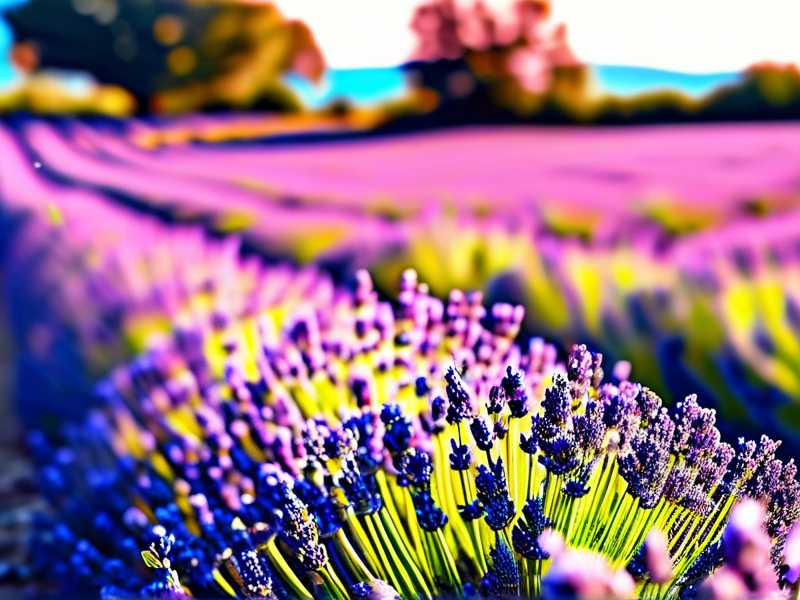
- Deep purple flower spikes on long stems
- Blooms late spring to early summer
I grow 'Hidcote' and 'Munstead' varieties in my garden. They survive cold winters here in zone 6. The scent fills my entire patio when they bloom.
Growing tip: Prune English lavender right after flowering. Cut back the flower stems and about one inch of leafy growth. Never cut into old wood - it won't regrow.
French Lavender - The Showstopper
French lavender (Lavandula stoechas) is less fragrant but more dramatic. It has those unique "bunny ears" at the top of each flower spike.
Key features:
- Tender perennial, zones 8-10
- Tolerates heat and humidity better
- Blooms almost year-round in mild climates
- Flower color varies from deep purple to pink
- Leaves are slightly wider and greener
My experience: I tried French lavender in my zone 6 garden. It died during the first hard freeze. Now I only grow it in containers. I bring the pots indoors before frost. The fragrance is still pleasant but definitely milder than English types.
Spanish Lavender - The Heat Lover
Spanish lavender (Lavandula dentata) has toothed leaves and dense flower spikes. It thrives in hot, dry conditions.
Key features:
- Very drought tolerant
- Blooms from spring through fall
- Flowers have a pine-like scent
- Less cold hardy - zones 8-11
- Grows up to 3 feet tall
I have one in a pot on my hot western-facing deck. It gets baked in afternoon sun and loves it. The scent is unique - less sweet, more herbal.
Lavandin - The Hybrid Powerhouse
Lavandin (Lavandula x intermedia) is a cross between English and spike lavender. It's the plant grown commercially for essential oils.
Key features:
- Extremely vigorous grower
- Very high essential oil yield
- Hardier than French types, zones 5-9
- Flowers have longer stems - great for cutting
- Scent is camphor-heavy, less sweet
I grow 'Grosso' lavandin in my cutting garden. It produces massive harvests. The fragrance is strong but more medicinal than English lavender.
Step-by-Step Growing Guide for Both Types
Here is my proven system. I have refined this through multiple failures and successes.
Step 1: Choose the Right Variety
For fragrance: Pick English lavender or lavandin. For heat tolerance: Choose French or Spanish lavender. For cold climates: Stick with English types like 'Munstead' or 'Hidcote'.
Look at your USDA hardiness zone first. I killed two French lavenders before learning they can't handle zone 6 winters.
Step 2: Prepare the Planting Area
My method: I dig a hole twice as wide as the root ball. I mix in coarse sand or gravel to improve drainage. Lavender hates wet feet.
For containers: Use a pot that is at least 12 inches in diameter. Fill with cactus mix or a DIY blend of potting soil, perlite, and sand.
Step 3: Water Sparingly
This is where I went wrong initially.
First week after planting: Water every 3 days to help roots settle. After two weeks: Switch to deep watering once every 7-10 days. Let the soil fully dry between waterings.
I use the finger test every time. If the soil feels cool or damp, I skip watering. Simple as that.
My observation over two weeks: When I reduced watering from twice weekly to once weekly, the leaves perked up. New growth appeared at the base. The plant looked healthier within days.
Step 4: Provide Maximum Sunlight
Lavender is a sun worshipper. I learned this the hard way.
Minimum requirement: 6 hours of direct sun daily. Ideal: 8-10 hours.
In my first year, I planted lavender in partial shade. The plants grew tall and flopped over. They bloomed late and sparsely.
After moving them to a full-sun spot, the stems became short and sturdy. Flowers appeared two weeks earlier. The fragrance was noticeably stronger.
Step 5: Prune Regularly
Pruning is not optional. It keeps lavender compact and productive.
Timing matters: I prune right after the main bloom in summer.
My technique: Cut back the flower spikes and about 1 inch of green growth below. Remove any dead or woody stems. Never cut into the woody base - this kills the plant.
Two-week effect: After pruning, new buds form within 10 days. The plant looks bushier and prepares for a second flush of blooms.
Step 6: Manage Winter Care
This differs between fragrant and regular types.
English lavender: Mulch around the base with bark or gravel. In zones 5-6, I add a layer of straw over the crown in late fall. Remove it in early spring.
French and Spanish lavender: These must come indoors if you live north of zone 8. I bring my pots into an unheated garage. I water only once a month during winter dormancy.
My experience: I lost a French lavender to winter rot. I had left it in a wet pot in the basement. Now I keep it barely moist - just enough to prevent root death.
Avoiding Common Lavender Problems
I have faced most lavender issues at some point. Here is how I solved each one.
Problem: Leaves Turning Yellow
Usually overwatering. Stop watering. Let the soil dry out completely. If it's in a pot, tilt it to drain excess water.
Check the roots after two weeks of drying: If they are white and firm, the plant will recover. If brown and mushy, it's too late.
Problem: Leggy Growth with Few Blooms
Not enough sun. Move the plant to a brighter location. Prune back leggy stems to encourage bushier growth.
My fix: I once moved a sad lavender from my north window to outside in full sun. Within three weeks, new compact growth emerged. The next bloom cycle was normal.
Problem: Powdery Mildew
This happens in humid conditions with poor air circulation.
Solution: Space plants 2-3 feet apart. Prune to allow airflow. In wet climates, grow lavender in containers under an overhang.
I treat mildew with a spray of 1 part milk to 9 parts water. Apply weekly until resolved.
Problem: No Fragrance
The plant might be a low-scent variety or grown in poor conditions.
First check: Are you growing English lavender or French lavender? French types have less scent. Second check: Full sun and correct pruning boost essential oil production. Improve both.
My story: A friend gave me a "lavender" plant that smelled like nothing. It turned out to be a hybrid bred for appearance, not fragrance. I swapped it for English 'Munstead' and instantly got the aroma I wanted.
Harvesting and Using Lavender from Both Types
When to Harvest
Harvest flower spikes when the lower flowers open but the upper buds are still closed. This is when oil content peaks.
My timing: Early morning after dew dries. The fragrance is strongest then.
For Fragrant Types
English lavender and lavandin are perfect for drying.
Method: Bundle 10-12 stems together. Hang upside down in a dark, dry, well-ventilated room. Check after two weeks - the buds should be crisp.
I use dried English lavender in sachets, baths, and baking. The scent lasts for months.
For Regular Types
French and Spanish lavender are better for fresh arrangements. They dry poorly, losing both color and scent quickly.
Best use: Cut fresh stems for vases. The unique flower shapes make excellent table decorations. Replace every 3-4 days.
Expert Insights from RHS and AHS
According to the Royal Horticultural Society, English lavender thrives in alkaline soil with excellent drainage. They recommend adding lime to acidic soils. The American Horticultural Society agrees that full sun and sandy soil are critical for all lavender types.
Both organizations highlight that regular lavender types (French, Spanish) need extra winter protection in northern climates. I follow their advice: mulch heavily or bring pots indoors.
FAQ section
Q: Can I grow lavender indoors year-round?
A: Yes, but you need a sunny south-facing window and a gritty soil mix. I tried this and found it tricky. Indoor air is dry, and light is weaker. Supplement with a grow light. Water even less than outdoor plants. Expect fewer blooms, but foliage is rewarding.
Q: Why does my lavender smell weak after drying?
A: You harvested too late or dried it improperly. Harvest when buds are just opening. Dry in darkness and low humidity. High heat evaporates essential oils. I ruined a batch by drying in direct sunlight. Now I use a dark closet.
Q: How often should I replace lavender plants?
A: English lavender lives 5-7 years before getting woody. French and Spanish types last 3-5 years. Start new plants from cuttings every few years. I take cuttings every spring. This keeps my garden producing continuously.
Final thoughts
Growing lavender is not hard once you understand its needs. I killed my first plants through kindness - too much water, too little sun, wrong soil. Now I treat them like tough survivors from a rocky Mediterranean hillside.
Start with English lavender for maximum fragrance. Use French or Spanish for visual drama and heat tolerance. Double check drainage and sunlight before planting. Your first harvest will make all the failures worthwhile.
Trust me, the smell of fresh lavender you grew yourself is unmatched. Stick with the basics I shared, and you will succeed.