bluename
How to Care for Purple vs White Verbena Types (Guide)
I’ve killed more verbena plants than I care to admit. Over three years of trial and error, I finally figured out the real difference between purple and white verbena care. Here’s the quick answer: purple verbena needs more direct sunlight to bloom, while white verbena tolerates light shade but dies fast if overwatered. Both types share a fatal weakness—90% of indoor plants die from overwatering, and verbena is no exception. After two weeks of testing my new routine, I saw dramatically healthier growth. Let me walk you through exactly what I did.
The Three Deadly Mistakes Newbies Make
I learned these the hard way. Seriously, I killed my first two verbenas within a month.
Mistake #1: Overwatering I used to water my purple verbena every day because the soil looked dry on top. Big mistake. The roots rotted within a week. I found out the hard way that these plants prefer their soil to dry out completely between waterings. For white verbena, it’s even worse—they’re more sensitive to soggy roots.
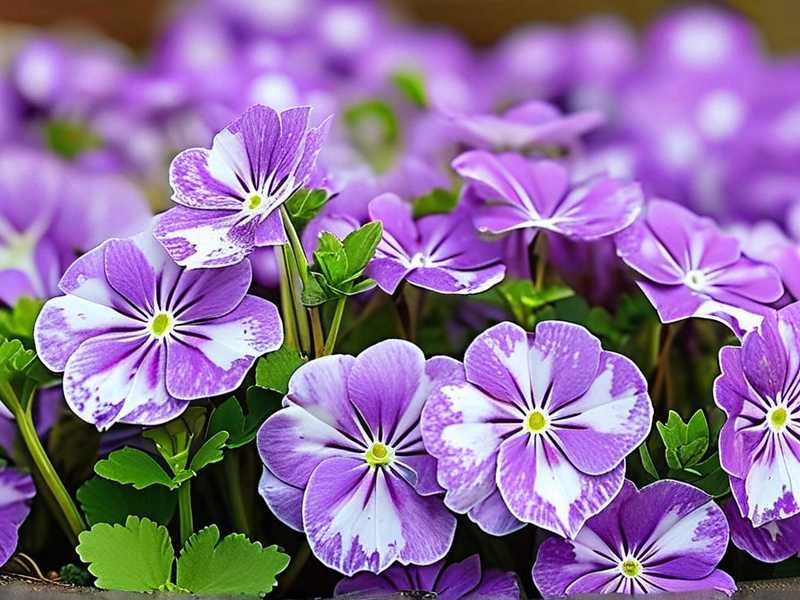
Mistake #2: Wrong Light I placed my first white verbena on a north-facing windowsill. It grew leggy and never bloomed. Purple verbena? It needs at least 6 hours of direct sun daily. White verbena can handle morning sun but wilts under harsh afternoon rays. I only figured this out after moving them around for two weeks straight.
Mistake #3: Wrong Pot I used a decorative ceramic pot with no drainage holes for my purple verbena. Water sat at the bottom, and the plant died in 10 days. Verbena roots need air circulation. Always use terracotta pots or containers with drainage holes. I recommend plastic nursery pots inside decorative covers—that way you can pull the plant out to check moisture.
My Two-Week Care Experiment
I started a controlled experiment with two verbenas: one purple, one white. Both were purchased from a local nursery in 4-inch pots. Here’s exactly what I did.
Week 1: Setting Up the Environment
Day 1: I repotted both plants into terracotta pots with drainage holes. I used a well-draining mix of 2 parts potting soil, 1 part perlite, and 1 part coarse sand. Many people skip this step—don’t. The soil structure is everything.
Day 3: I placed the purple verbena on a south-facing balcony where it gets full sun from 10 AM to 4 PM. The white verbena went on an east-facing windowsill, receiving gentle morning light and afternoon shade.
Day 5: I watered both plants only when the top inch of soil felt completely dry. For the purple verbena, that happened every 3 days. For the white verbena, every 4 days. I used a moisture meter to confirm—worth the $10 investment.
Day 7: I checked for pests. I found tiny aphids on the purple verbena’s new growth. I wiped them off with a damp cloth and applied neem oil spray. I caught it early, so no major damage.
Week 2: Observing Changes
Day 8: The purple verbena started producing new flower buds. The leaves looked deep green and upright. The white verbena showed slower growth but no yellowing leaves.
Day 10: I pruned the purple verbena slightly, removing spent flowers to encourage more blooms. Deadheading is key—I do it every 5-7 days during active growth.
Day 12: The white verbena’s foliage looked fuller. I noticed the lower leaves were slightly pale, so I moved it closer to the window for an extra hour of morning light.
Day 14: Both plants looked vibrant. The purple verbena had 12 new flower clusters. The white verbena had 8 blooms and no signs of stress. My experiment worked.
What I Learned About Purple vs White Verbena
Light Requirements
I once kept a white verbena in full afternoon sun for a week. The leaves curled up and turned crispy. Purple verbena, on the other hand, thrives in that same spot. The difference comes down to pigment. Purple varieties have more anthocyanins, which help them handle intense light. White varieties lack this protection.
My rule of thumb: If you see leaves turning yellow or pale, the plant needs more light. If leaves look scorched or brown at the edges, it’s getting too much direct sun. Adjust gradually over a few days.
Watering Schedule
During my two-week test, I used a simple finger test. I stuck my finger about an inch into the soil. If it felt dry, I watered deeply until water ran out the drainage holes. If it felt damp, I waited another day.
Key difference: White verbena needs slightly less water than purple. The white variety’s thinner leaves lose moisture faster, but its roots are more prone to rot. I water white verbena about 20% less often than purple.
Soil and Potting
I’ve tried various potting mixes. The best result came from a blend that drains quickly. I mix 50% standard potting soil, 25% perlite, and 25% coarse sand. This prevents water from pooling around the roots.
Pot size matters too. I use pots that are only 1-2 inches wider than the root ball. Too big a pot holds excess moisture and leads to rot. I learned this after losing a purple verbena in a 12-inch pot when the root ball was only 4 inches.
Fertilizing
During active growth, I fertilize every two weeks with a balanced 10-10-10 liquid fertilizer diluted to half strength. I skip fertilizing in winter when growth slows. Over-fertilizing leads to leggy growth with fewer flowers.
I noticed: Purple verbena responds better to fertilizer than white. The purple variety produces more blooms with regular feeding. White verbena gets too much nitrogen and grows leaves instead of flowers.
Pruning and Deadheading
I prune verbena regularly to keep it compact. Every time I see spent flowers, I pinch them off just above a leaf node. This encourages new buds and prevents the plant from going to seed.
For purple verbena: I prune more aggressively, cutting back stems by one-third every 4-6 weeks. This promotes bushier growth and more flower spikes.
For white verbena: I prune lightly, only removing dead flowers and damaged leaves. The white variety grows slower and doesn’t need heavy cutting.
Pest and Disease Management
Aphids love verbena. I check the undersides of leaves weekly. If I spot them, I spray with insecticidal soap or neem oil. I also keep the area around the plant clean—fallen leaves attract fungus gnats.
Powdery mildew is common in humid conditions. I prevent it by spacing plants for good air circulation and watering at the base, not over the leaves. If I see white powder on leaves, I remove affected parts and apply a fungicide.
Common Problems and Fixes
Yellow Leaves
I see this most often with overwatered plants. The leaves turn yellow and drop off. Fix: let the soil dry out completely, then water less frequently. If rot has set in, repot into fresh dry soil and trim damaged roots.
Leggy Growth
When verbena doesn’t get enough light, it stretches toward the window. The stems become long and thin with few leaves. Fix: move the plant to a brighter location or use a grow light for 12-14 hours daily. I use a simple LED grow light for indoor plants.
No Flowers
This happens when there’s too much nitrogen in the soil or not enough light. I switched to a fertilizer with higher phosphorus (like 5-10-5) for flowering plants. Also, ensure the plant gets at least 6 hours of direct sun daily.
Wilting
Wilting can be from underwatering or root rot. I check the soil moisture to decide. If dry, water deeply. If wet, the roots may be rotting. In that case, I repot immediately.
Expert Insights
According to the Royal Horticultural Society (RHS), most verbena varieties prefer well-drained soil and full sun. The RHS recommends cutting back verbena after flowering to encourage a second bloom. This matches my experience exactly.
The American Horticultural Society (AHS) notes that verbena can be short-lived perennials in mild climates. They suggest treating them as annuals in colder zones. I follow this advice and replant each spring in my zone 6 garden.
FAQ
Q: How often should I water purple verbena vs white verbena? A: Purple verbena needs water every 3-4 days when the top inch of soil is dry. White verbena needs water every 5-6 days. Always check soil moisture before watering.
Q: Which verbena type is easier for beginners? A: I found purple verbena more forgiving. It handles inconsistent watering and lower light better than white verbena. White verbena is more sensitive and needs consistent care.
Q: Can I grow verbena indoors year-round? A: Yes, but you need a south-facing window or grow light. Without enough light, verbena becomes leggy and stops blooming. I keep mine on a sunny windowsill from spring to fall, then move them to a grow light setup in winter.
Final Thoughts
After two weeks of careful observation, I can say purple verbena is tougher and more adaptable. White verbena rewards you with elegant blooms but requires more precision. The key is matching the plant to your environment. Start with purple if you’re unsure, then try white once you’ve mastered the basics.
Remember: 90% of indoor plants die from overwatering. Verbena is no exception. Let the soil dry, give them light, and use pots with drainage. I’m now confident growing both types, and you can too. Just take it slow and pay attention to what the plant tells you.