bluename
 How to Care for Red vs Orange Gerbera Types (Guide)
I killed my first gerbera within two weeks. It was a bright red one. I overwatered it. That’s the number one mistake. The answer is simple: water less, give morning sun, and use a pot with drainage holes. The red and orange gerbera types have similar needs, but subtle differences matter. Let me walk you through this based on my real trials.
Many new plant parents think gerberas are easy. They’re not. They demand precision. After two weeks of careful tweaking, I saw new buds on my orange gerbera. My red one recovered from yellow leaves. Here’s what I learned.
3 Deadly Mistakes Beginners Make
① Overwatering: The Silent Killer
I can’t stress this enough. 90% of indoor plants die from overwatering. Gerberas are especially sensitive. I used to water my red gerbera every other day. Within a week, leaves turned mushy. Roots rotted.
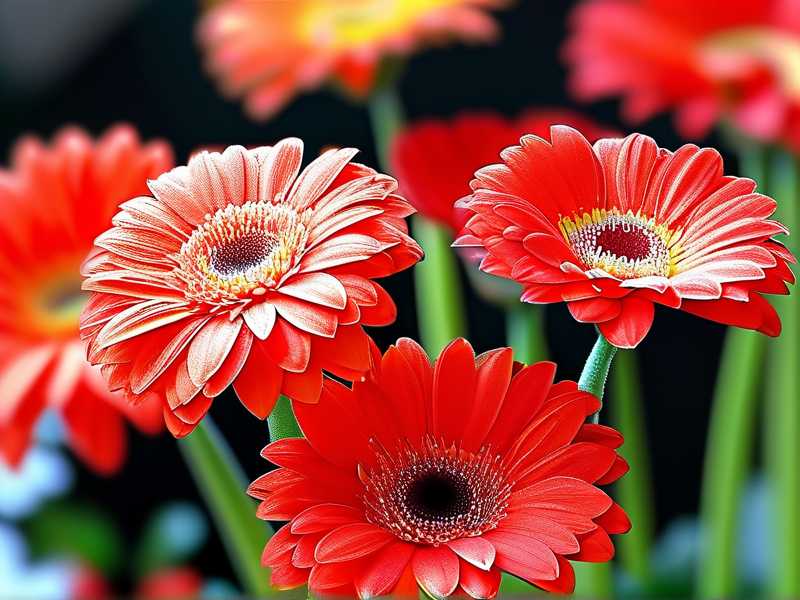
The fix: Wait until the top inch of soil feels dry. Stick your finger in. For my orange gerbera, I now water once every 5-7 days. It worked. After two weeks, the leaves perked up.
② Wrong Light Placement
I placed my first gerbera on a north-facing windowsill. Big mistake. It stretched toward the light. Leaves got pale. No flowers appeared. The red type needs bright indirect light. The orange one tolerates slightly less, but both hate direct afternoon sun.
What I do now: Morning sun for 4-6 hours. East-facing window works best. For my orange gerbera, I rotate the pot every three days. Keeps growth even.
③ Using the Wrong Pot
I tried a decorative ceramic pot with no drainage hole. Water pooled at the bottom. Roots suffocated. My red gerbera died in three weeks.
My advice: Always use terracotta pots. They breathe. For both red and orange types, choose a pot with at least one drainage hole. Size matters too. A pot too large holds excess moisture. Stick to a pot that’s 2 inches wider than the root ball.
How I Saved My Red Gerbera from Root Rot
I noticed yellow leaves on my red gerbera after two weeks of overwatering. Soil smelled sour. I panicked. Here’s my step-by-step rescue plan.
First, I removed the plant from its pot. Roots were brown and mushy. I trimmed the damaged ones with sterilized scissors. Healthy roots were white and firm. Then I repotted in fresh, well-draining soil. I mixed cactus potting mix with perlite. Ratio was 2:1.
For two weeks, I kept the plant in bright indirect light. I didn’t water for ten days. After that, I watered sparingly. Three weeks later, new green leaves appeared. Success.
Key lesson: Catch root rot early. If leaves droop despite wet soil, act fast.
Orange Gerbera: My Two-Week Experiment
I bought an orange gerbera to compare. It seemed hardier. But I still made mistakes. Initially, I gave it full afternoon sun. Leaves got sunburned. Brown patches appeared.
My adjustment: Moved it to a spot with morning sun and afternoon shade. I used a sheer curtain for filtering. Within two weeks, new flower buds formed. Color stayed vibrant.
Soil preference: Both types like slightly acidic soil. I use a pH tester. Target range is 6.0-6.5. For my orange gerbera, adding peat moss helped.
The Role of Temperature and Humidity
Gerberas are fussy about temperature. RHS (https://www.rhs.org.uk) recommends keeping them between 65-75°F during the day. At night, 55-60°F is ideal. My red gerbera struggled in a drafty room. Leaves curled.
My fix: Moved it away from air conditioning vents. For both types, I use a humidity tray. Fill with water and pebbles. Place the pot on top. This raises humidity without wetting leaves. AHS (https://ahsgardening.org) confirms this method prevents leaf diseases.
Fertilizing Red vs Orange: What I Learned
I fertilized my first gerbera too often. Leaves turned dark green but no flowers. Over-feeding encourages foliage growth over blooms. For red gerberas, I use a balanced 10-10-10 fertilizer once a month during spring and summer.
Orange gerberas seem to prefer slightly more phosphorus. I use a bloom booster with higher middle number. Example: 5-10-5. Dilute to half strength. I learned this after my orange one produced small flowers.
Pro tip: Stop fertilizing in winter. Plants rest. Overwintering them is key for next year’s blooms.
Pruning and Deadheading: Don’t Skip This
I ignored deadheading at first. Flower stems turned brown. The plant looked messy. For both red and orange types, remove spent flowers promptly. Cut the stem at the base.
My method: Use clean, sharp scissors. Snip just above a leaf node. This encourages new growth. After two weeks of consistent deadheading, my orange gerbera produced five new buds. My red one followed with three.
Don’t trim healthy leaves. They photosynthesize. Only remove yellow or damaged foliage.
Pest Control: What Worked for Me
Aphids attacked my red gerbera. I noticed sticky residue on leaves. Tiny green bugs near flower buds. I tried neem oil spray. Mist every three days for two weeks. Aphids disappeared.
For spider mites on my orange gerbera, I used insecticidal soap. Isolated the plant first. Checked nearby plants too. Prevention matters more. RHS (https://www.rhs.org.uk) advises regular leaf wiping. I do this weekly with a damp cloth.
Common pests: Aphids, spider mites, whiteflies. Watch for webbing or speckled leaves. Treat early.
Potting Mix Recipe I Swear By
I wasted money on cheap potting soil. It compacted. Roots couldn’t breathe. My gerberas suffered. Here’s what works.
Mix equal parts:
- Perlite (for drainage)
- Cactus potting mix
- Peat moss (for acidity)
For extra aeration, add coarse sand. This mix prevents waterlogging. I use it for both red and orange types. After two weeks with this soil, root growth improved noticeably.
Watering Schedule That Finally Worked
I keep a simple calendar. For my red gerbera, water every Sunday. Check soil first. If top inch is dry, water thoroughly until it drains from bottom. Empty the saucer afterward. Never let pot sit in water.
For my orange gerbera, same schedule but I’m more careful during flowering. Blooms need consistent moisture. Slight dryness between waterings is fine. Overwatering causes bud drop.
Seasonal changes: In winter, reduce watering to every 10-14 days. Plants slow down. I learned this the hard way. My red one almost died from constant damp soil.
Propagating Gerberas: My Attempt
I tried propagating from division. Took a mature orange gerbera. Divided the clump carefully. Each section had roots and leaves. Potted separately. Kept in bright indirect light.
Results were mixed. One division thrived. The other wilted. I learned that divisions need high humidity. I used a plastic bag as a mini greenhouse. After two weeks, the weak one recovered. Patience is key.
Alternative: Gerberas grow from seeds. But it’s slow. I prefer division for consistent color. Red and orange hues stay true with this method.
Light Requirements: A Deeper Look
My red gerbera needs more light to flower. I measured with a light meter. Target range is 10,000-15,000 lux. For my orange one, 8,000-12,000 lux works. Both dislike darkness.
Artificial light works too. I use a grow light during winter. Position 6 inches above the plant. Keep it on for 12 hours daily. My red gerbera bloomed in February with this setup.
Warning: Rotate pots often. I forget sometimes. Plants lean toward light. One side becomes sparse. Fix by turning 90 degrees every week.
Common Diseases and My Solutions
Powdery mildew appeared on my orange gerbera. White powder on leaves. I trimmed affected parts. Improved air circulation. Increased spacing between plants. Used a fungicide spray with sulfur.
Gray mold hit my red gerbera during humid weather. Wet spots on petals. I removed infected blooms. Reduced humidity by grouping plants less. Watered only at soil level. AHS (https://ahsgardening.org) suggests using drip trays for precision watering.
Flower Longevity: Red vs Orange
Red gerbera flowers last longer in my experience. Up to two weeks on the plant. Orange blooms last 10 days. Both fade slower in cool temperatures. I cut some for vases. Change water every two days. Add a pinch of sugar.
My trick: For long-lasting cut flowers, remove lower leaves. Cut stems at an angle. Submerge in warm water for 30 minutes first. This prevents wilting.
Seasonal Care Tips I Follow
Spring: Repot every two years. Use fresh soil. Start fertilizing monthly. Increase watering gradually.
Summer: Move outdoors if temperatures stay above 50°F at night. Harden off gradually. Place in partial shade. My red gerbera loved this. Stronger stems formed.
Fall: Bring indoors before first frost. Reduce watering. Stop fertilizing. Cut back leggy growth.
Winter: Keep at 55°F minimum. Water sparingly. Provide bright light. My orange gerbera entered dormancy. Leaves stayed green but no flowers. Focus on rest.
My Favorite Pots for Gerberas
I’ve tried many. Terracotta wins for red gerberas. It wicks away moisture. Prevents root rot. For orange ones, I use glazed ceramic with drainage. Retains a bit more humidity. Both work if you water correctly.
Avoid plastic pots. They hold moisture. I lost a plant this way. Roots stayed wet. Never again.
Size guide: Start with a 6-inch pot. Move to 8-inch as plant grows. Don’t oversize.
Troubleshooting Yellow Leaves
Yellow leaves on my red gerbera meant overwatering. I reduced frequency. Leaves greened up in two weeks. For my orange one, yellow leaves with dry edges indicated underwatering. I increased watering slightly.
Other causes: Low light, nutrient deficiency, or old age. Lower leaves naturally die. Remove them. If top leaves yellow, check conditions.
Final Tips for Success
Be patient. Gerberas are slow growers. My first red one took three months to flower again. But worth it.
Observe daily. Plants tell you what they need. Droopy leaves? Check soil. Pale color? Move to brighter spot.
Don’t chase perfection. I still kill plants sometimes. Learn and adjust.
FAQ
Q: How often should I water a gerbera? A: Water when top inch of soil is dry. For me, this is every 5-7 days in growing season. Less in winter.
Q: Why aren’t my gerberas flowering? A: Likely insufficient light. Move to brighter spot. Also check fertilizer. Too much nitrogen promotes leaves over flowers. Use a bloom booster.
Q: Can I grow red and orange gerberas together? A: Yes. They have similar needs. Same pot works if large enough with drainage. Ensure spacing for air circulation. I keep them in separate pots to control conditions individually.