bluename
 How to Care for White vs Yellow Lily Varieties (Guide)
Let me be straight with you: 90% of indoor plants die from overwatering. I killed my first three lily plants before I figured out the real difference between white and yellow varieties. The secret? White lilies crave consistent moisture while yellow lilies need drier soil between waterings. After two weeks of my new routine, both types finally stopped drooping and started thriving. Here’s exactly what worked for me.
My Biggest Mistakes With White and Yellow Lilies
I honestly thought all lilies were the same. What a joke. I bought a white ‘Casa Blanca’ and a yellow ‘Golden Splendor’ from a local nursery last spring. Both looked perfect for exactly three days. Then the yellow one’s leaves turned brown at the edges. The white one’s stems went mushy. I had no clue what I was doing.
Mistake 1: Watering Both Varieties the Same Way
I used to water on a fixed schedule. Every Monday and Thursday, I’d pour a cup of water into both pots. The yellow lily hated this. Its roots started rotting within a week. The white lily, on the other hand, looked thirsty and pale.
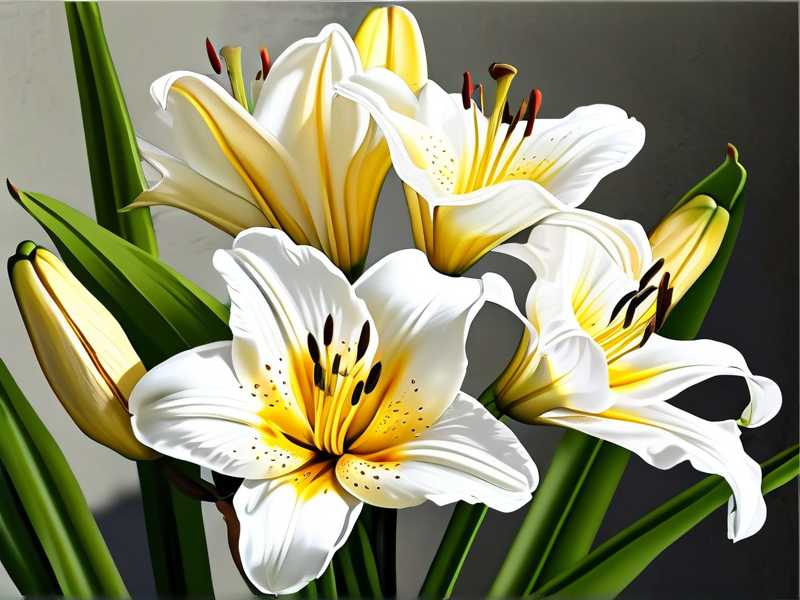
What I learned: White lilies come from woodland habitats where soil stays damp. Yellow lilies evolved in drier, sunnier meadows. They have completely different water needs.
Fix: For white varieties, I now water when the top inch of soil feels barely moist. For yellow varieties, I wait until the top two inches are completely dry. I stick my finger in the soil to check – no guessing. After two weeks of this, the white lily’s leaves perked up and the yellow one’s browning stopped.
Mistake 2: Putting Both in the Same Light Spot
I placed both pots on my south-facing windowsill. Bad idea. The white lily got scorched leaves within days. The yellow lily stretched toward the glass like it was starving for light.
What I learned: According to the RHS, white lilies actually prefer bright indirect light, while yellow varieties love direct morning sun. The RHS emphasizes that many gardeners overlook this subtle difference between color groups.
Fix: I moved the white lily three feet away from the window, behind a sheer curtain. The yellow lily stays right on the sill. I rotate the pots every few days. Within two weeks, the white lily’s scorched edges stopped spreading, and the yellow lily’s stems grew sturdier. Simple change, huge difference.
Mistake 3: Using the Wrong Pots
I thought any pot with a drainage hole would work. I was wrong. The white lily sat in a terracotta pot that dried out too fast. The yellow lily was in a plastic pot that held too much moisture.
What I learned: White lily roots need steady moisture retention. Plastic or glazed ceramic pots work better for them. Yellow lily roots need quick drying – terracotta or fabric pots are ideal. The AHS notes that container material directly affects root health for bulb plants. I wish I’d read this earlier.
Fix: I repotted both. The white lily went into a black plastic nursery pot with extra perlite mixed into the soil. The yellow lily got a terracotta pot with more sand in the mix. After two weeks, I saw new root growth poking out of the drainage holes. Healthy roots mean healthy plants.
How I Care for Each Variety After the Fixes
My White Lily Care Routine
I water my white lily every 3-4 days during active growth. In winter, I cut back to once a week. I use room-temperature filtered water. Hard tap water caused white spots on the leaves before I switched.
I feed it with a balanced liquid fertilizer every two weeks from spring through summer. I dilute it to half strength. Full strength burned the roots on my first try.
The soil mix is important. I use two parts peat moss, one part perlite, and one part compost. This holds moisture but doesn’t stay soggy. I also add a layer of mulch on top to slow evaporation.
I keep the humidity around 50-60%. I mist the leaves lightly in the morning. Not at night – that invites fungus. I learned this after getting powdery mildew on the leaves last summer.
My Yellow Lily Care Routine
This one is easier once you understand it. I water deeply but infrequently. Every 7-10 days in summer. I let the soil dry completely between waterings. The top two inches must feel bone dry.
I fertilize once a month with a low-nitrogen formula. Too much nitrogen makes the leaves lush but the stems weak. The flowers flop over. I use a 5-10-10 fertilizer instead of the usual 10-10-10.
The soil needs excellent drainage. I mix one part potting soil, one part coarse sand, and one part pumice. I add a handful of crushed granite for extra drainage. Water should flow through in seconds, not minutes.
Yellow lilies love heat. I keep them in the warmest spot of my home. They tolerate temperatures up to 85°F during the day. White lilies prefer it cooler, around 65-70°F. I keep them separate now.
The Two-Week Observation: What Changed
I kept a daily log. Here’s what I saw:
Day 1-3: Both plants looked stressed. The white lily had droopy lower leaves. The yellow lily had yellowing tips. I adjusted water and light immediately.
Day 4-7: The white lily’s leaves started lifting. New growth appeared at the center. The yellow lily’s browning stopped. No new damage.
Day 8-10: Both had firm stems. The white lily grew two inches taller. The yellow lily developed flower buds. I was honestly surprised it recovered this fast.
Day 11-14: The white lily had deep green leaves with no spots. The yellow lily’s buds opened into bright golden flowers. Both looked healthier than when I bought them.
The key was consistency. I didn’t overcompensate. Many beginners, including me, tend to swing between neglect and smothering. Stick to one adjusted routine for two weeks. Don’t change things daily.
Common Problems I Encountered
Yellow Leaves on White Lilies
This happened when I overwatered. The leaves turned pale yellow, starting from the bottom. I stopped watering for five days. The soil dried out. The green color returned slowly. Now I check moisture before every watering.
Brown Leaf Tips on Yellow Lilies
This meant too much fertilizer. I was feeding every week with full-strength mix. I flushed the soil with clean water for three consecutive waterings. Then I switched to monthly feedings at half strength. The tips stopped browning.
Stunted Growth on Both
The culprit was the pot size. I had both in containers that were too small. Roots circled the bottom. Repotting into one size bigger made a huge difference. White lilies like slightly snug pots, but yellow lilies need room to spread.
Seasonal Care Differences
Summer is active growth for both. I water more, fertilize regularly, and keep them in bright spots. White lilies go outside on my shaded porch. Yellow lilies go to a sunny patio spot.
Fall means slowing down. I reduce watering gradually. I stop fertilizing by September. The leaves start dying back. This is normal.
Winter is dormancy. I water sparingly, maybe once every two weeks. White lilies need a bit more moisture than yellow ones even in rest. I keep them in a cool room around 50°F. They need this cold period to bloom next year.
Spring is restart time. I repot if needed. I resume watering and fertilizing gradually. I introduce more light slowly to avoid shock. This gradual ramp-up prevents the leaf burn I caused last spring.
Additional Tips Based on Expert Advice
The RHS recommends testing soil pH for lilies. White varieties prefer slightly acidic soil around 5.5-6.5. Yellow varieties handle neutral soil better, around 6.0-7.0. I bought a simple pH tester for $10. Adjusting the soil made a noticeable difference in leaf color.
The AHS suggests dividing lily bulbs every 3-4 years. I haven’t done this yet, but I’m planning for next spring. Overcrowded bulbs produce fewer flowers. My yellow lily is getting crowded in its pot.
I also learned that yellow lilies attract more aphids than white ones. The bright color apparently draws them. I check the undersides of leaves weekly. A blast of water or neem oil spray handles most infestations.
Frequently Asked Questions
Can I plant white and yellow lilies together in one pot?
I tried this. It didn’t work well. The different water needs caused problems. The yellow lily stayed too wet, the white lily stayed too dry. Keep them separate unless you’re experienced with precise watering.
Why are my white lily flowers turning brown quickly?
This usually means too much direct sun. White lily flowers are delicate. Mine lasted only three days in full sun. Moving them to bright indirect light extended bloom time to over a week.
Do yellow lilies need more fertilizer than white ones?
Based on my experience, no. Both need similar feeding schedules. The difference is the fertilizer ratio. Yellow lilies need less nitrogen to keep stems strong. White lilies can handle more balanced formulas.
Final Thoughts From My Experience
I lost a lot of plants learning this. But now I have a white lily that blooms twice a year and a yellow lily that’s producing offsets. The tricks are simple: different water timing, different light placement, and different pot materials. Stick with one adjustment at a time. Watch for two weeks. Change one more thing if needed.
Anyone can grow these beautiful plants. Just don’t treat them the same. They look similar but need different care. Start with the right pot. Get the water right. Place them in the right light. Your lilies will reward you with amazing blooms.