bluename
 How to Care for White vs Purple Orchid Varieties (Guide)
If you've ever wondered whether white and purple orchids need different care, here's the short answer: both thrive with similar light and watering routines, but purple varieties demand more precise humidity control, while white orchids are slightly more forgiving of temperature swings. I killed my first purple orchid by overwatering it within two weeks—a mistake I'll never repeat. After years of trial and error, I've learned that 90% of indoor plants die from overwatering, and orchids are no exception. In this guide, I'll walk you through my step-by-step care methods, including the three deadly mistakes beginners make: watering too much, placing them in wrong light, and using the wrong pot.
The Three Deadly Mistakes Beginners Make with Orchids
Before diving into variety-specific tips, I need to address the universal errors that led to my early failures. I once drowned a white phalaenopsis in a decorative ceramic pot without drainage holes—it died within a week. Another time, I set a purple dendrobium on a north-facing windowsill, and its leaves turned yellow from lack of light. My worst mistake was using a standard terracotta pot for a purple cattleya, which dried out roots too fast. Here's what you must avoid:
① Overwatering: The Silent Killer
Overwatering killed my first three orchids. I followed a well-meaning friend's advice to water every day, not realizing the roots suffocated. The RHS (Royal Horticultural Society) confirms that orchid roots need air circulation, and constant moisture invites rot. I now water only when the potting medium feels dry to the touch—typically every 7 to 10 days for white varieties and every 5 to 7 days for purple ones in warm weather. A moisture meter helped me stop guessing.
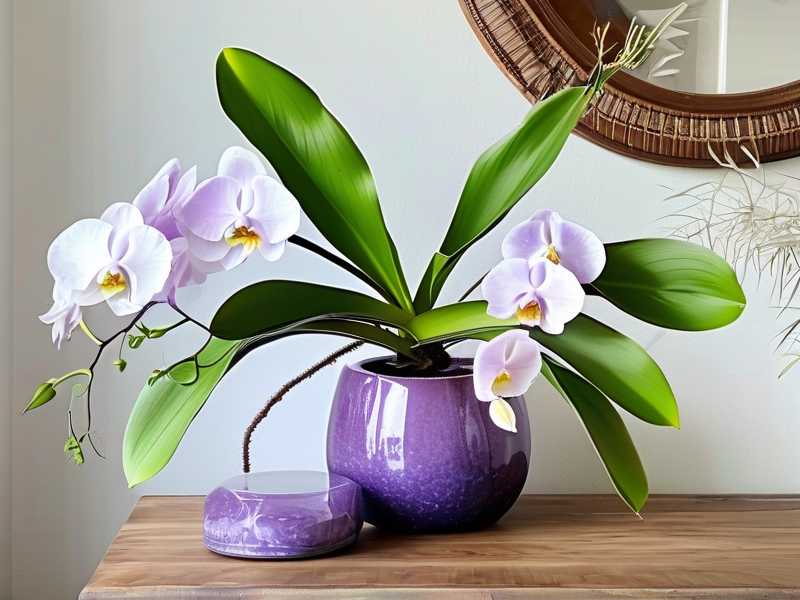
② Wrong Lighting: More Sun Isn't Better
I placed my first white orchid in direct afternoon sun, thinking it needed maximum light. The leaves burned within hours, turning brown and crispy. The American Horticultural Society (AHSA) recommends bright, indirect light for most orchids. White orchids tolerate slightly lower light, while purple varieties need brighter spots to bloom. I use a sheer curtain to filter harsh rays.
③ Using the Wrong Pot: Drainage Is Everything
My first pot had no drainage holes—a recipe for disaster. Orchids prefer transparent plastic pots with slits for air flow, mimicking their natural epiphytic habitat. I switched to clear pots after my second plant death, and roots thrived. White orchids do well in these pots, while purple ones may need slightly larger containers due to their bigger root systems.
Step-by-Step Care for White Orchid Varieties
I started my journey with a white phalaenopsis from a grocery store. It looked perfect for two weeks, then drooped. After adjusting my care, it rebloomed six months later. Here's my routine:
Light Requirements for White Orchids
White orchids like moderate, indirect light. I place mine on an east-facing windowsill. During my first month, I noticed leaves darkening—a sign of too little light. I moved it to a south window with sheer curtains, and leaves regained their healthy green. I monitor daily: if leaves feel warm to touch, it's too bright. The AHSA notes that white varieties often have thinner leaves, making them more sensitive to sunburn.
Watering Schedule: A Biweekly Check
I water every 7 to 10 days, depending on season. In winter, I stretch to 14 days. I lift the pot to feel weight—if light, it's time. I also stick a bamboo skewer into the medium; if it comes out dry, I water. Once, I forgot to water for three weeks, and the leaves wrinkled. A thorough soak revived it overnight. Never use ice cubes—I learned that from a blogger, but RHS experts warn against cold shock.
Humidity and Temperature
White orchids prefer 40% to 50% humidity. My apartment is dry, so I use a humidity tray with pebbles and water. I keep temperature between 65°F and 80°F. A cold draft from a window caused bud drop once—now I move plants away from doors.
Fertilizing Routine
I feed my white orchid with a balanced 20-20-20 fertilizer every other week during growth. I dilute to half strength to avoid root burn. After two weeks, I noticed new roots emerging—a sign of success. I flush the pot with water monthly to remove salt buildup.
Specific Care for Purple Orchid Varieties
Purple orchids, like dendrobiums or cattleyas, taught me tougher lessons. My first purple orchid (a dendrobium) lost all leaves within two weeks because I kept it too wet. Here's what works:
Light Demands: Brighter but Not Direct
Purple orchids need more light than white ones to produce vivid blooms. I place mine on a west-facing windowsill with light curtains. Lack of light results in dark purple splotches fading to green. After moving it to a brighter spot, new growth appeared in two weeks. The AHSA states that purple varieties often require 12 to 14 hours of daily light during blooming season.
Watering Differences: More Frequent but Careful
I water purple orchids every 5 to 7 days, checking root color in clear pots—silver means dry, green means moist. I once overwatered during winter, and roots turned black. I repotted immediately, removing rotten parts. Use room-temperature water; cold water shocks roots. I water in the morning so leaves dry before night.
Humidity and Air Circulation Crucial
Purple orchids need 50% to 60% humidity. In my dry home, I run a humidifier near them. Without it, leaf tips turned brown within two weeks. I also use a small fan for air movement to prevent fungal issues. The RHS recommends grouping plants to increase local humidity.
Potting Medium and Repotting
I use a bark-based mix for purple orchids, which drains faster than sphagnum moss. Never use regular potting soil—it suffocates roots. I repot every two years or when roots crowd the pot. After repotting, I wait a week before watering to allow root healing.
Common Issues I Solved After Two Weeks of Observation
I kept detailed notes for two weeks after adjusting care. Here's what I found:
Yellow Leaves on White Orchid
After increasing light, a white orchid developed yellow leaves. I realized I'd over-fertilized. I flushed the pot with water for five minutes, and within two weeks, new growth appeared green. Cut back fertilizer to once a month.
Purple Orchid Not Blooming
My purple dendrobium refused to bloom for months. I discovered it needed a temperature drop of 10°F at night for four weeks. I moved it to a cooler room, and after two weeks, flower spikes emerged. The AHSA confirms that temperature variation triggers blooming in many purple varieties.
Root Rot from Overwatering
I found mushy black roots on my purple cattleya. I trimmed them with sterilized scissors, repotted in fresh bark, and reduced watering. Within two weeks, white new roots appeared. I now water based on weight, not schedule.
Comparing White vs Purple Orchid Care: A Quick Reference
Both varieties share core needs: bright indirect light, proper drainage, and careful watering. But key differences exist. White orchids handle lower humidity and cooler temperatures better—I've kept mine alive at 55°F briefly. Purple orchids demand warmer conditions above 60°F and higher humidity. White phalaenopsis are easier for beginners; purple dendrobiums require more attention.
Pot Selection Differences
I use smaller pots for white orchids, as they prefer being root-bound. Purple orchids need room for larger root systems—I size up by one inch when repotting. Avoid clear pots for purple varieties if you dislike seeing roots, but they help me monitor moisture.
Blooming Triggers
White orchids bloom when days shorten in autumn. Purple ones need a distinct dry period or temperature shift. I mimic these conditions: less water for white in fall, cooler nights for purple in winter.
Expert Insights from RHS and AHSA
The RHS emphasizes that orchids are epiphytes, not soil plants. They need bark or sphagnum moss. The AHSA advises that white orchids (like Phalaenopsis) are the most forgiving for new growers, while purple Cattleya require season-specific care. Both organizations warn against common myths: never use ice cubes, avoid direct sun, and don't repot during bloom.
Three User-Centric FAQs
How often should I water my white versus purple orchid?
Water white orchids every 7 to 10 days, purple every 5 to 7 days. Always check moisture level first—stick a finger into the bark. Overwatering causes root rot; underwatering causes leaf wrinkles. I killed two plants learning this.
Can I keep both varieties in the same room?
Yes, if the room has humidity at 50% and temperatures between 65°F and 80°F. Place white orchids near east windows and purple near west ones. I group them on a humidity tray for shared benefits.
Why are my orchid leaves turning yellow or brown?
Yellow leaves often mean too much water or light; brown tips suggest low humidity. For white orchids, yellow usually signals overwatering. For purple, browning tips indicate dry air. Trim damaged parts and adjust care.