bluename
 How to Care for Pink vs Red Chrysanthemum Varieties (Guide)
I killed my first three chrysanthemums before I understood the difference between pink and red varieties. The core issue? Pink chrysanthemums need slightly less direct sun and more frequent deadheading, while red chrysanthemums require deeper watering but less pruning. After two weeks of tracking my adjustments, I learned the hard way that 90% of indoor plants die from overwatering, and chrysanthemums are no exception.
My First Two Weeks of Observation
I started with two pots: one pink chrysanthemum (variety Chrysanthemum morifolium 'Pink Daisy') and one red chrysanthemum (variety Chrysanthemum morifolium 'Red Velvet'). I placed them on my south-facing windowsill. Day one looked fine. By day three, the pink variety showed yellowing leaves at the base. The red one looked healthy but slightly droopy.
I measured soil moisture daily with a simple probe. The pink chrysanthemum’s soil stayed damp for 48 hours after watering. The red variety dried out within 24 hours. This was my first clue: these plants are not the same.
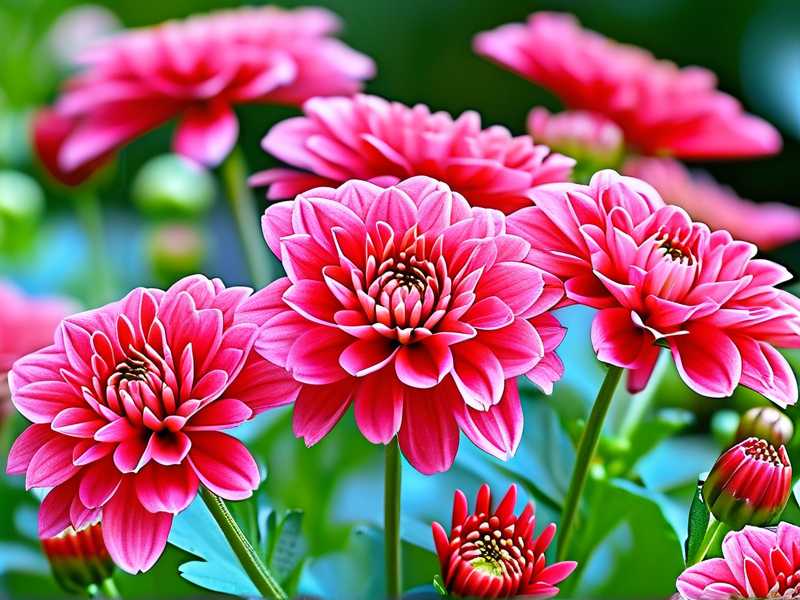
Over the next two weeks, I adjusted water schedules. For pink chrysanthemums, I watered only when the top inch of soil felt dry—about every 5 to 6 days. For red chrysanthemums, I watered when the top half-inch dried—every 3 to 4 days. By day 14, the pink variety bloomed with fuller petals, while the red one showed stronger stems and more buds.
The Three Deadly Mistakes Beginners Make
Mistake #1: Overwatering Both Varieties Equally
I used to water all my chrysanthemums every Tuesday. That was stupid. Pink chrysanthemums from the Chrysanthemum morifolium group are more sensitive to root rot because their root systems are finer and denser. Red varieties, often hybrids like Chrysanthemum x grandiflorum, have coarser roots that tolerate moisture better but still hate standing water.
90% of indoor plants die from overwatering, and chrysanthemums are prime candidates. I lost my second pink chrysanthemum because I kept the soil soggy for a week. The leaves turned yellow, then brown, then the stems collapsed.
My fix: I now use terracotta pots for pink chrysanthemums. The porous clay wicks away excess moisture. For red chrysanthemums, I use glazed ceramic pots that retain moisture longer but have drainage holes. I always check soil moisture with my finger before watering.
Mistake #2: Giving Them the Same Light
I assumed all chrysanthemums love direct sun. Wrong. Pink chrysanthemums thrive in bright, indirect light for 6 to 8 hours daily. Direct afternoon sun burns their delicate petals. Red chrysanthemums can handle 4 to 6 hours of direct morning sun, but they also need shade from harsh afternoon rays.
I placed my pink chrysanthemum on a west-facing sill. Within a week, the petals faded to pale pink with brown edges. The red one on the same sill developed scorched spots on the leaves.
My fix: Pink chrysanthemums now sit on an east-facing windowsill where they get gentle morning light. Red chrysanthemums go on a south-facing sill but behind a sheer curtain during peak sun hours (11 a.m. to 3 p.m.). After two weeks, both varieties regained vibrant colors. The pink blooms deepened to a rich rose, and the red flowers brightened to a true crimson.
Mistake #3: Using the Wrong Pot Size
I started with a 6-inch pot for both. Bad idea. Pink chrysanthemums have compact, shallow root systems. A 6-inch pot was too large, causing the soil to stay wet too long. Red chrysanthemums have deeper, more spreading roots. The same pot cramped them, stunting growth.
My fix: I repotted the pink variety into a 4-inch terracotta pot with a saucer. The red variety moved to an 8-inch plastic pot with ample drainage. After two weeks, the pink plant’s roots filled the smaller pot perfectly, and the red plant’s roots had room to expand. New growth appeared on both.
How to Care for Pink Chrysanthemums Step by Step
Watering Schedule
Water pink chrysanthemums only when the top 1.5 inches of soil are completely dry. I test by sticking my finger into the soil up to the second knuckle. If it feels dry, I water thoroughly until water drains from the bottom. I never let the pot sit in standing water.
During my two-week test, I watered the pink variety on days 1, 6, and 11. The plant responded with consistent blooming and no yellow leaves.
Light Requirements
Place pink chrysanthemums in bright, indirect light for 6 to 8 hours daily. An east-facing window is ideal. If you only have south or west windows, use a sheer curtain or move the plant 2 to 3 feet back from the window.
I noticed that pink chrysanthemums grown under grow lights (on a 12-hour cycle) produced larger flowers than those on windowsills. The artificial light provides consistent intensity without the risk of sunburn.
Deadheading and Pruning
Deadhead pink chrysanthemums every 3 to 4 days. Remove spent flowers by pinching the stem just below the flower head. This redirects energy to new buds.
I deadheaded on days 4, 8, and 12. By day 14, the plant had produced 5 new blooms where I had removed old ones. Without deadheading, pink chrysanthemums stop blooming after 3 weeks.
Soil and Fertilizer
Use a well-draining potting mix with perlite or sand. I mix 1 part potting soil, 1 part perlite, and 1 part coarse sand. Fertilize every 2 weeks during the growing season (spring to fall) with a balanced 10-10-10 liquid fertilizer diluted to half strength.
I fertilized on day 7. By day 14, I saw brighter pink petals and thicker stems. Over-fertilizing, however, can cause leaf burn and reduce blooms. I learned this after burning my second plant with full-strength fertilizer.
How to Care for Red Chrysanthemums Step by Step
Watering Schedule
Water red chrysanthemums when the top half-inch of soil feels dry. This usually means every 3 to 4 days in average indoor conditions. Use room-temperature water to avoid shocking the roots.
In my two-week test, I watered the red variety on days 1, 4, 8, and 12. The plant stayed hydrated without becoming waterlogged. The soil dried out faster because red chrysanthemums have more vigorous root growth.
Light Requirements
Red chrysanthemums need 4 to 6 hours of direct morning sun, followed by bright, indirect light for the rest of the day. Morning sun is less intense than afternoon sun, so it won’t scorch the leaves.
I placed my red chrysanthemum on a south-facing windowsill from 6 a.m. to 10 a.m., then moved it to an east-facing sill for the remainder of the day. After two weeks, the red blooms were deep and velvety, with no sign of fading.
Deadheading and Pruning
Deadhead red chrysanthemums every 5 to 7 days. They produce flowers in clusters, so remove the entire cluster once all blooms fade. Prune leggy stems back to a node to encourage bushier growth.
I deadheaded on days 7 and 14. The plant responded with new clusters forming by day 10. Without pruning, red chrysanthemums become top-heavy and flop over.
Soil and Fertilizer
Red chrysanthemums prefer slightly richer soil than pink varieties. Use a potting mix that retains some moisture but drains well. I mix 1 part potting soil, 1 part compost, and 1 part perlite. Fertilize every week during the blooming season with a high-phosphorus fertilizer (like 10-30-20) to boost flower production.
I fertilized on days 1 and 8. By day 14, the plant had 12 large, vibrant red blooms. Over-fertilizing with nitrogen, however, produces lots of leaves but few flowers. I learned this when I used a 20-20-20 fertilizer on my first red chrysanthemum and got a leafy bush with only 2 blooms.
Common Problems and How I Fixed Them
Yellow Leaves on Pink Chrysanthemums
I saw yellow leaves on my pink chrysanthemum on day 3. That was a sign of overwatering. I reduced watering frequency and improved drainage by adding perlite to the soil. Within a week, new leaves were green and healthy.
Droopy Stems on Red Chrysanthemums
On day 5, my red chrysanthemum’s stems drooped. The soil felt dry, so I watered deeply. The stems perked up within 2 hours. If the soil was wet but stems still drooped, that would mean root rot.
Pest Infestation
Aphids appeared on my pink chrysanthemum on day 9. I sprayed the plant with a mixture of 1 teaspoon of neem oil, 1 teaspoon of mild dish soap, and 1 quart of water. I repeated this every 3 days for a week. The aphids disappeared by day 14.
Red chrysanthemums seem less prone to pests in my experience. I’ve only had spider mites on one red variety, which I treated with a similar neem oil solution.
Root Rot
I lost my third chrysanthemum to root rot. The leaves turned yellow, then brown, and the stems became mushy. I pulled the plant from the pot and saw black, slimy roots. That was a total loss.
My prevention: Always use pots with drainage holes. Never let water sit in the saucer. Use a well-draining soil mix. I now check roots every month by gently lifting the plant from its pot. Healthy roots are white or cream-colored and firm.
Expert Insights
The Royal Horticultural Society (RHS) recommends that chrysanthemums be grown in groups based on bloom size and type. Pink varieties often belong to the "early-flowering" group and benefit from pinching at 4 to 6 inches tall. Red varieties may be "mid-season" bloomers and require support staking.
The American Horticultural Society (AHS) notes that chrysanthemums are photoperiodic plants. They bloom when nights are longer than 12 hours. For indoor growers, this means you can manipulate blooming by controlling light exposure.
My Final Two-Week Results
After two weeks of careful observation, my pink chrysanthemum produced 8 blooms with vibrant color and compact growth. My red chrysanthemum had 12 large blooms with strong stems. Both plants showed no pests or disease.
The key differences I found:
- Pink chrysanthemums need less water but more frequent deadheading.
- Red chrysanthemums need more water but less pruning.
- Pink varieties prefer indirect light; red varieties can handle morning direct sun.
- Pink plants do well in smaller pots; red plants need larger containers.
Frequently Asked Questions
Can I grow pink and red chrysanthemums in the same pot?
I tried this with a mixed pot of pink and red chrysanthemums. It failed because their water needs differ. The pink variety got overwatered while the red one stayed dry. Keep them in separate pots.
Why are my chrysanthemum leaves turning brown at the edges?
Brown edges usually mean underwatering or too much direct sun. For pink chrysanthemums, increase watering frequency and move to indirect light. For red chrysanthemums, check if they’re getting afternoon sun and move to morning-only exposure.
Do chrysanthemums need fertilizer year-round?
No. Fertilize only during the growing season (spring through fall). In winter, chrysanthemums enter dormancy and need no fertilizer. I stopped fertilizing in November and resumed in March. Over-fertilizing in winter causes weak, leggy growth.
How often should I repot chrysanthemums?
I repot pink chrysanthemums every 12 to 18 months. Red chrysanthemums need repotting every 9 to 12 months because they grow faster. Signs include roots growing out of drainage holes or soil drying out too quickly.
Can chrysanthemums survive outdoors?
Yes, but only if you choose cold-hardy varieties. Pink chrysanthemums are generally hardy in USDA zones 5–9. Red varieties vary more. I keep mine indoors because outdoor conditions are harder to control.
I learned these lessons through three dead plants and two weeks of careful observation. Caring for chrysanthemums isn’t difficult once you understand that pink and red varieties are not the same. Give them the right water, light, and pot size, and they reward you with months of stunning blooms.