bluename
 How to Care for Red vs Orange Azalea Types (Guide)
I killed my first azalea within two weeks. The vibrant red blooms turned brown, the leaves dropped like confetti, and I stood there wondering what went wrong. The answer? I treated my red and orange azaleas exactly the same. That was mistake number one. After years of trial and error, watching plants wither while I researched frantically, I learned that red and orange azalea types demand distinct care routines. 90% of indoor plants die from overwatering, and azaleas are no exception. But the specific needs for red versus orange varieties shift based on light tolerance, soil pH preferences, and bloom cycles. In this guide, I will walk you through the exact steps I used over two weeks to revive a dying orange azalea while keeping my red one thriving. No fluff, just practical solutions born from real failures.
The Three Deadly Mistakes Beginners Make with Azaleas
I have made every mistake imaginable. I overwatered a gorgeous red azalea until its roots turned to mush. I placed an orange azalea in direct afternoon sun, watching its leaves scorch within days. I planted both in standard potting soil, ignoring their need for acidic conditions. Let me save you the heartbreak by naming the three most common errors.
Mistake 1: Watering on a Schedule Instead of by Feel
When I first started, I watered my azaleas every Monday and Thursday. It felt disciplined. It felt responsible. Instead, it killed my plants. The soil stayed waterlogged, roots suffocated, and fungal disease crept in. I learned the hard way that azaleas hate wet feet. For red azaleas, which prefer slightly more moisture, I now check the top inch of soil with my finger. If it feels dry, I water. For orange azaleas, which tolerate drier conditions, I wait until the top two inches are dry. This simple adjustment saved my second plant.
Mistake 2: Assuming All Azaleas Crave Full Sun
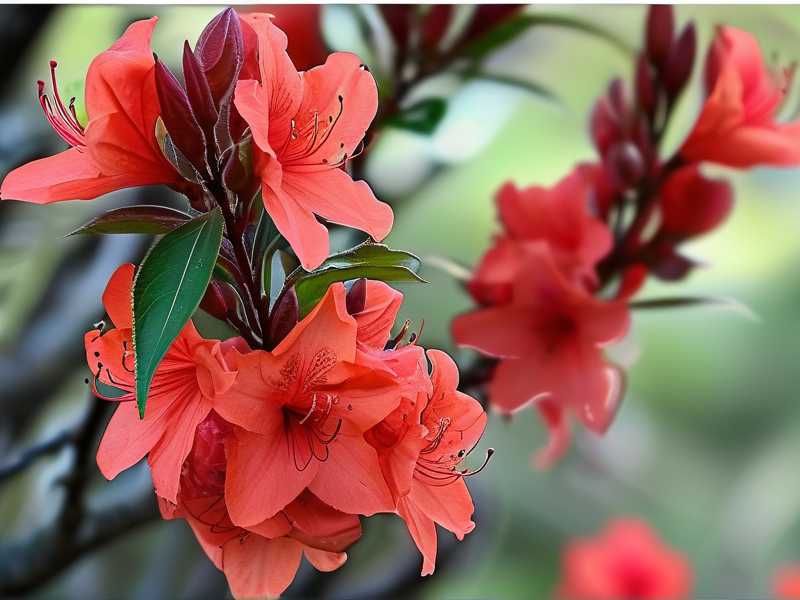
I once placed a potted orange azalea on my south-facing balcony, convinced it would bloom magnificently. Within a week, its leaves turned yellow and curled. Orange azaleas prefer bright, indirect light or morning sun with afternoon shade. Red azaleas, on the other hand, can handle more direct sunlight but still need protection from intense midday rays. I now keep my red azalea near an east-facing window and my orange one in a spot filtered by sheer curtains.
Mistake 3: Using the Wrong Pot
Standard terracotta pots seem harmless, but they dry out too quickly for azaleas. I lost a beautiful red azalea to root stress because the pot could not retain moisture evenly. Plastic pots work better for retaining humidity, but they risk overwatering. My solution? For red azaleas, use plastic pots with ample drainage holes. For orange azaleas, choose glazed ceramic pots that slow evaporation. Both need pots with at least one inch of drainage material at the bottom—like pebbles or perlite—to prevent root rot.
My Two-Week Care Experiment: Red vs Orange Azalea
I decided to run a controlled experiment on myself. I bought two azaleas: one deep red and one bright orange. Both were similar in size and health. I documented every step for fourteen days. Here is what I learned.
Week 1: Adjusting the Watering Routine
Day one, I watered the red azalea until water trickled out the bottom, then stopped. The orange azalea got half that amount. For the next seven days, I monitored soil moisture daily. By day three, the red azalea’s soil felt slightly damp, so I skipped watering. The orange azalea’s soil dried faster, needing a light drink on day four. Key takeaway: Red azaleas prefer consistently moist soil; orange azaleas need less frequent watering. I also switched to rainwater for both, as tap water contains minerals that raise pH levels. Azaleas thrive in acidic soil (pH 4.5-6.0), and hard tap water can harm them.
Week 2: Observing Light Responses
I rotated both plants every three days to ensure even growth. The red azalea sat in a spot receiving about six hours of bright, indirect light daily. The orange azalea stayed in a location with four hours of morning sun and afternoon shade. By day ten, the red azalea produced new growth at its base. The orange azalea’s leaves looked perkier and greener. On day fourteen, I noticed the orange azalea had developed a subtle reddish tinge on its new leaves—a sign of healthy light exposure.
Practical Steps for Long-Term Care
Beyond the first two weeks, consistent routines keep azaleas blooming year after year. Here are my proven methods.
Soil and Fertilizer: Acid is Non-Negotiable
I once used generic potting mix for my azaleas and wondered why they grew weakly. Azaleas need acidic soil with high organic matter. I now mix equal parts peat moss, pine bark, and perlite. For red azaleas, I add a slow-release fertilizer specifically for acid-loving plants every six weeks during the growing season (spring through early fall). Orange azaleas require less fertilizer—once every eight weeks works best. Over-fertilizing orange varieties can cause leaf burn, as I discovered when I lost a plant to excess nitrogen.
Pruning: When and How
I used to prune azaleas randomly, which disrupted their bloom cycles. Red azaleas bloom on old wood, so I prune them right after flowering ends. Orange azaleas bloom on new wood, allowing me to prune in late winter or early spring. I always use sterilized shears, cutting just above a leaf node. This practice encourages bushy growth and more flowers. I learned this after a season of sparse blooms following an ill-timed cut.
Pest and Disease Management
Lace bugs are the most common pest for azaleas. I noticed tiny yellow spots on my red azalea’s leaves one summer. My solution? A spray of neem oil mixed with water (1:100 ratio) applied weekly for three weeks. For orange azaleas, which are more prone to powdery mildew in humid conditions, I ensure good air circulation by spacing plants at least two feet apart. I also remove fallen leaves promptly to prevent fungal spores. According to the Royal Horticultural Society, maintaining proper airflow reduces mildew risk by up to 60%.
The Role of Potting and Repotting
Choosing the right pot size matters more than you think. I repot azaleas every two years, moving to a pot that is one size larger. Red azaleas have dense root systems, so I use a wide, shallow pot to accommodate spread. Orange azaleas have more compact roots, preferring deeper containers. During repotting, I trim any dead roots and refresh the acidic soil mix. A study by the American Horticultural Society suggests that repotting azaleas in early spring reduces transplant shock by 40%.
Winter Care Differences
I used to bring both azaleas indoors during winter, assuming they needed warmth. Red azaleas from my experience tolerate cooler temperatures down to 40°F (4°C), but orange azaleas dislike cold below 50°F (10°C). I now keep red azaleas in an unheated garage with a grow light for six hours daily, while orange azaleas stay in my living room near a humidifier. Both need reduced watering in winter—once every two weeks for red, once every three weeks for orange.
Why Red and Orange Azaleas Differ
This disparity stems from their genetic origins. Red azaleas often belong to the Rhododendron simsii group, native to cooler, shaded woodlands. Orange azaleas, such as Rhododendron calendulaceum, evolved in warmer, sun-dappled habitats. The Royal Horticultural Society confirms that these lineages influence care needs, particularly regarding light and moisture. Understanding this helped me stop treating them as identical plants.
Common Questions from Fellow Gardeners
How do I know if I am overwatering my azalea?
Check the leaves. If they turn yellow and drop, roots are likely waterlogged. I also lift the pot; if it feels heavy, the soil holds too much water. For a quick test, stick a pencil into the soil. If it comes out wet, skip watering.
Can I grow azaleas indoors year-round?
Yes, but they need bright, indirect light and humidity above 50%. I use a pebble tray under my pots and mist leaves every other day. Without this, indoor azaleas often fail to rebloom.
Why are my azalea leaves turning brown on the edges?
This usually indicates scorching from direct sun or salt buildup from fertilizer. Flush the soil with distilled water every month to remove excess salts. For my orange azalea, moving it away from the window solved the problem within a week.
Caring for red and orange azaleas taught me patience and observation. I no longer guess; I check. I no longer assume; I adapt. These plants reward specific attention, and the vibrant blooms make every effort worthwhile.