bluename
 How to Care for 2 Major Petunia Varieties? Core Cultivation Tips
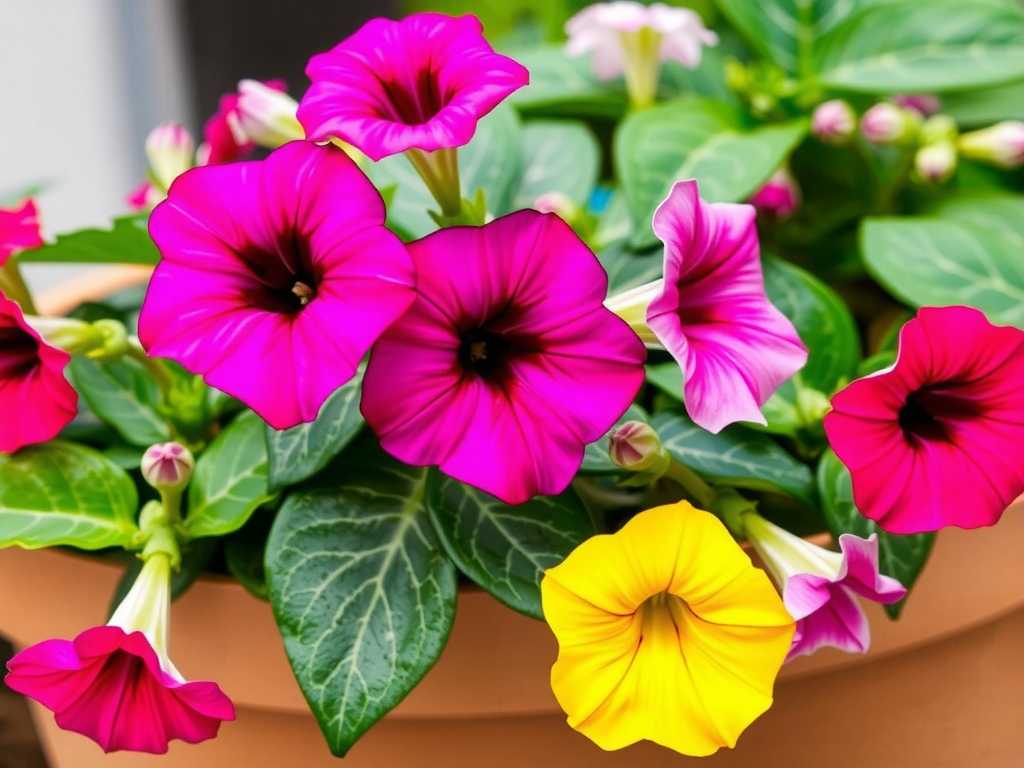
You’ve brought home vibrant petunias, dreaming of a season-long cascade of color, only to watch them become leggy, stop blooming, or succumb to disease. This common frustration often stems from not tailoring care to the specific type of petunia you have. While all petunias share some needs, the two major categories—Grandiflora and Multiflora—have distinct characteristics that respond best to slightly different cultivation strategies. Mastering these differences is the key to unlocking their full, spectacular potential.
Understanding the two main players in your garden is the first step to success. Petunias are broadly divided by flower size and growth habit, with Grandiflora and Multiflora being the most widely planted.
Grandiflora Petunias: The Show-Stopping Soloists
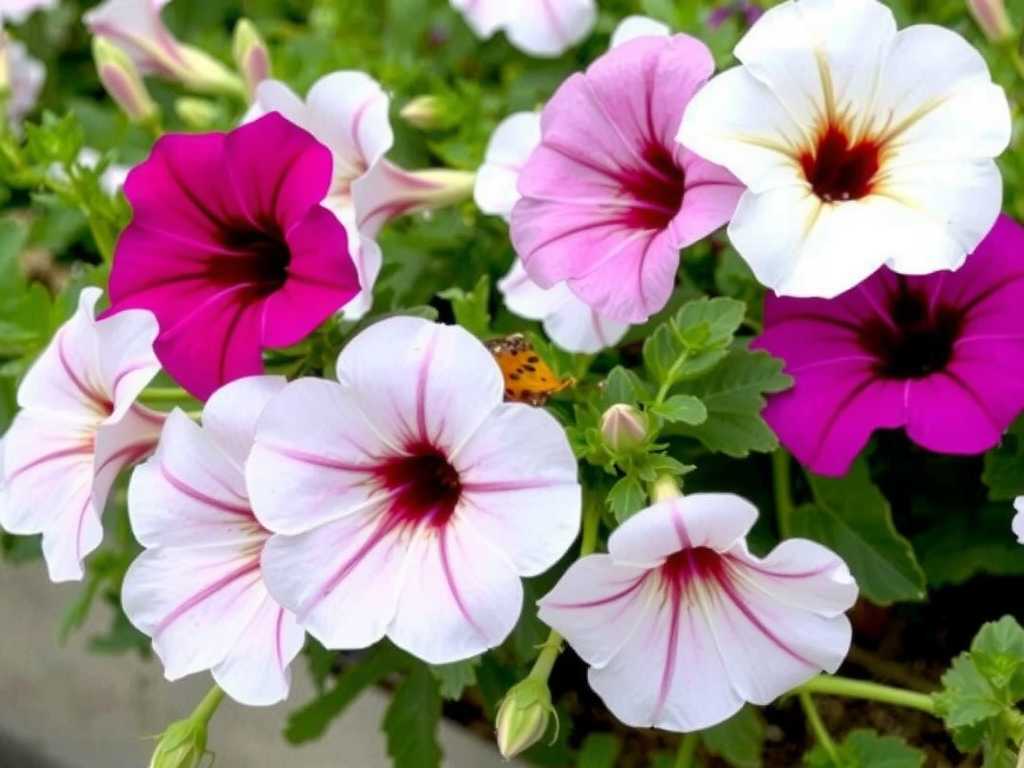
Known for their enormous, often ruffled blooms that can reach 4 to 5 inches in diameter, Grandiflora petunias are the divas of the container garden. Varieties like ‘Storm Lavender’ or ‘Daddy Series’ make a bold, singular statement. However, those spectacular flowers come with a caveat: they are more susceptible to damage from heavy rain and require a bit more attentive care to look their best.
Sunlight and Placement are Paramount Grandifloras demand full sun—at least 6 to 8 hours of direct sunlight daily. This energy is crucial for producing those massive blooms. Insufficient light leads to weak growth and sparse flowering. For container gardening, which is ideal for showcasing these beauties, place them in a location with morning sun and some protection from the harshest afternoon rays if you live in a very hot climate, as extreme heat can sometimes stress the large flowers.
Watering: Consistent but Careful The goal is consistently moist, but never soggy, soil. According to horticulturist Dr. Linda Chalker-Scott, “Overwatering is a primary killer of container plants, as it suffocates roots and fosters disease.” Water Grandifloras deeply when the top inch of soil feels dry, aiming at the soil base to keep moisture off the delicate, large petals, which can spot and rot if watered from above. In peak summer, daily watering may be necessary for pots.
Feeding for Continuous Performance To support the tremendous energy output of creating big blooms, Grandifloras are heavy feeders. A balanced, water-soluble fertilizer (such as a 10-10-10 or 20-20-20 formula) applied every two weeks is standard. Many expert growers, as noted in the University of Georgia’s annual bedding plant reports, recommend switching to a fertilizer higher in potassium (the third number, e.g., 15-5-30) once blooming begins to enhance flower color and strength.
The Crucial Practice of Deadheading This is non-negotiable for Grandifloras. Regularly removing spent blooms by pinching the stem just below the flower head prevents seed formation and signals the plant to produce more flowers instead of going to seed. This weekly task keeps your display pristine and encourages relentless blooming.
Multiflora Petunias: The Resilient Team Players
Multiflora petunias produce a greater abundance of smaller flowers, typically 1 to 2 inches across. While individual blooms may be less dramatic, the overall effect is a solid, colorful mass that is remarkably weather-resistant. Varieties like the ‘Madness Series’ or ‘Carpet Series’ are workhorses in garden beds, borders, and hanging baskets, thriving with slightly less fuss.
Thriving in Sun and Slight Shade Like all petunias, Multifloras prefer full sun for the most prolific bloom. However, their resilience allows them to tolerate and still perform reasonably well in partial shade (4-6 hours of sun), where Grandifloras would struggle. This makes them more versatile for gardens with varying light conditions.
Watering for Durability The same “moist, not wet” rule applies, but Multifloras are generally more forgiving of occasional dry spells or wet weather than their large-flowered cousins. Their smaller flowers and often denser foliage help protect the soil and root zone. Still, for continuous flowering, maintain consistent moisture, especially in containers or during droughts.
A Moderate Feeding Regimen Multifloras still benefit from regular feeding but are less demanding than Grandifloras. A monthly application of a balanced, slow-release granular fertilizer mixed into the soil at planting time can often suffice for garden beds. For containers, supplementing with a diluted liquid fertilizer every 3-4 weeks throughout the season will maintain their vigorous show.
Minimal Deadheading Required One of the greatest advantages of Multiflora petunias is their “self-cleaning” trait. Most modern varieties drop their spent flowers naturally and continue blooming without the need for manual deadheading. This low-maintenance feature makes them ideal for large plantings or for gardeners seeking maximum impact with minimal upkeep.
Universal Petunia Care Essentials
Regardless of type, these core principles apply to all petunias and form the foundation of healthy growth.
Soil and Planting Foundation Excellent drainage is critical. Use a high-quality, lightweight potting mix for containers. In garden beds, amend heavy clay soil with compost or peat moss to improve drainage and aeration. Space plants appropriately—usually 10 to 12 inches apart for Multifloras and 12 to 15 inches for spreading Grandifloras—to ensure good air circulation and prevent fungal diseases.
Pest and Disease Vigilance Aphids and budworms are common pests. Inspect plants regularly. A strong spray of water can dislodge aphids, while budworms (which chew holes in buds) may require treatment with an appropriate organic or conventional insecticide. To prevent fungal issues like gray mold (Botrytis), avoid overhead watering, provide good air circulation, and remove any diseased plant material promptly.
Pruning for Rejuvenation By mid-summer, even the best-tended petunias can become long-legged. Don’t be afraid to give them a hard prune, cutting stems back by one-third to one-half. This encourages a flush of new, bushy growth and a renewed wave of blooms, effectively revitalizing your plants for the remainder of the season.
Why are my petunias getting leggy and not bushy? Legginess is usually caused by insufficient sunlight or a lack of pruning. Ensure they receive at least 6 hours of direct sun. Pinch back the tips of young plants early in the season to encourage branching, and don’t hesitate to give overgrown plants a mid-season trim.
What causes yellowing leaves on my petunias? Yellow leaves can indicate several issues: overwatering (leading to root rot), underwatering, or a nutrient deficiency (often nitrogen). Check soil moisture first. If watering habits are sound, apply a balanced fertilizer. In containers, yellowing lower leaves can also signal a buildup of salts from fertilizer; flush the soil with clear water periodically.
Can petunias be grown as perennials? Petunias are tender perennials in USDA zones 10-11 but are almost universally grown as annuals in cooler climates. They cannot survive frost. However, you can take cuttings from favorite plants in late summer to root and overwinter indoors under bright light, ready to be planted out again after the last spring frost.
Whether you choose the dramatic, large blooms of Grandifloras or the prolific, hardy display of Multifloras, success lies in aligning your care with their specific needs. Grandifloras reward attentive feeding, careful watering, and diligent deadheading with breathtaking floral performances, perfect for focal points. Multifloras offer dependable, colorful abundance with greater resilience and less maintenance, ideal for filling large spaces. By providing the fundamental pillars of ample sun, well-draining soil, consistent moisture, and seasonal feeding, you equip both varieties to thrive. Start with the right plant for your garden’s conditions and your gardening style, apply these tailored tips, and you’ll be rewarded with a vibrant, long-lasting spectacle of color that lasts from spring straight through to fall.