bluename
 How to Solve the Non-Germination Problem of Tulips After Repotting
I love the vibrant promise of tulip bulbs. That’s why it was so disheartening last season when, after carefully repotting tulips, I was met with stubborn, silent soil. Nothing sprouted. If you’ve faced the same frustrating non-germination problem of tulips, you’re not alone. This guide is born from my own trial, error, and eventual success. Over two weeks of intense observation and adjustment, I cracked the code on why potted tulips sometimes fail and, more importantly, how to fix it.
My journey wasn’t smooth. I made mistakes that cost me time and bulbs. But by understanding the critical needs of tulip bulbs post-repotting, I turned my failure into a lush, blooming success. Let me walk you through the exact steps I took, the pitfalls I encountered, and the solutions that finally brought those green shoots to the surface.
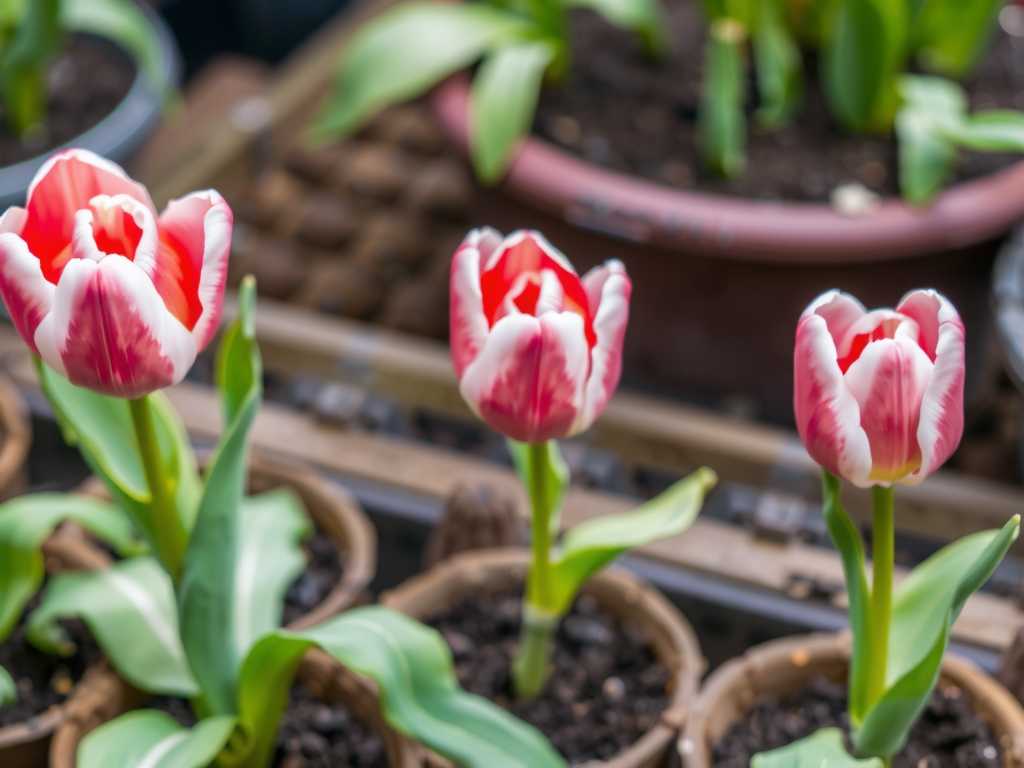
Understanding Why Your Repotted Tulips Won't Sprout
Before you can solve a problem, you need to diagnose it. Tulip bulbs failing to grow after a move isn’t just bad luck; it’s usually a sign of unmet needs. Through my experience and consulting resources from the Royal Horticultural Society (RHS), I identified the main culprits.
First, incorrect planting depth is a classic error. I learned the hard way that planting too shallow exposes the bulb to damaging temperature swings and doesn’t provide enough soil insulation for root development. Planting too deep exhausts the bulb’s energy reserve before the shoot can reach sunlight. The RHS recommends a depth of about three times the bulb's height, a rule I now follow religiously.
Second, and this was my critical oversight, is poor chilling or vernalization. Tulips require a sustained cold period (typically 12-16 weeks at 35-48°F or 2-9°C) to trigger biochemical processes that initiate flowering. When I repotted bulbs purchased in spring or stored them incorrectly, they simply hadn’t met their cold requirement. No chill, no sprout.
My Step-by-Step Rescue Plan for Dormant Tulip Bulbs
Armed with this knowledge, I devised a two-week rescue plan for my remaining, seemingly dormant bulbs. The goal was to create the ideal conditions for triggering tulip growth in pots.
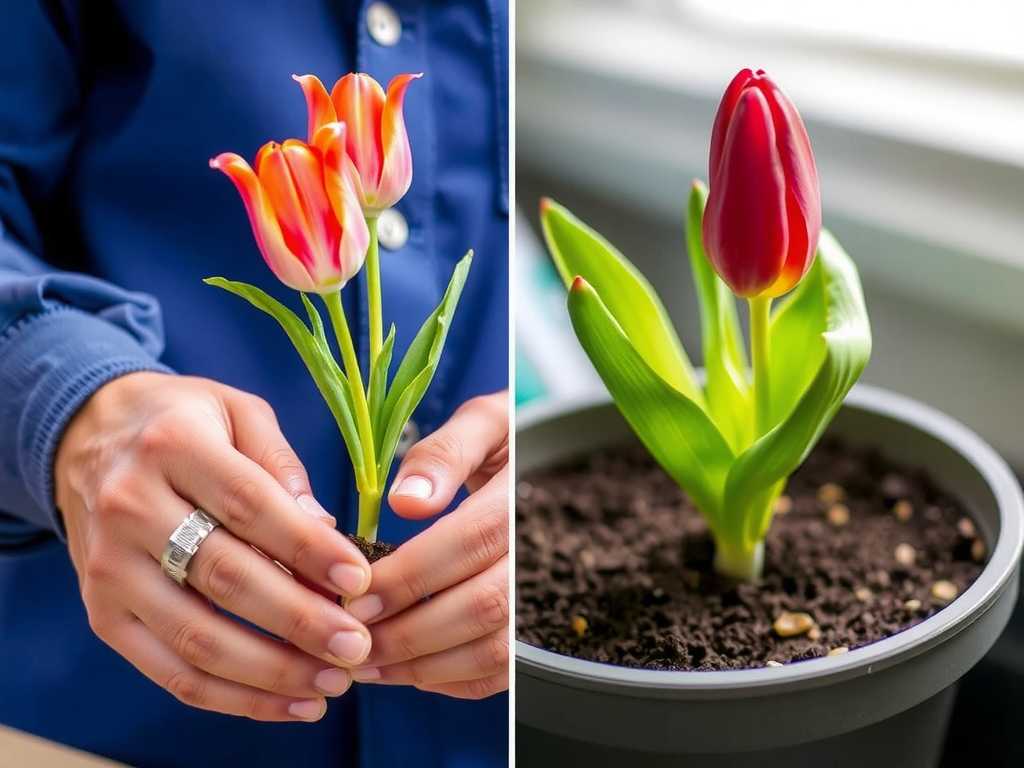
Week 1: The Diagnostic and Correction Phase
My first step was a gentle excavation. I carefully scooped away soil from around one non-sprouting bulb in a pot. What I found was telling: the roots were weak and the bulb felt slightly soft. This pointed to overwatering after repotting, another common killer. I checked the other pots; the soil was consistently damp, not slightly moist as it should be.
Here’s what I did immediately:
- Improved Drainage: For all pots, I ensured the drainage holes were clear. I even carefully tipped pots to let excess water drain out. I mixed in a handful of perlite into the top layer of soil to improve aeration, being careful not to disturb the bulbs too much.
- Depth Correction: For bulbs I confirmed were planted incorrectly, I gently repositioned them to the proper depth of roughly 8 inches for larger bulbs.
- The Chill Test: I realized some bulbs might lack sufficient cold. For pots that were still outdoors in cool but not cold spring weather, I moved them to my refrigerator’s vegetable crisper (away from fruit, which emits ethylene gas). I marked the calendar for a 12-week chill period, knowing this was a long-term fix for next season.
Week 2: The Observation and Adjustment Phase
After making these corrections, I began a daily log. The key was patience and precise adjustment.
- Days 1-3: No visible change. I resisted the urge to water. The soil began to dry appropriately.
- Days 4-7: In the pots where I corrected drainage, the soil surface felt dry to the touch about an inch down. This was my cue. I gave them a very light watering, just enough to moisten the soil without saturating it. I continued to leave the "chill-needed" pots in the fridge.
- Days 8-14: A breakthrough! In two of the five pots where overwatering was the sole issue, I noticed the tiniest green tips breaking through the soil. The bulbs had simply been waterlogged and stagnant, not dead. The combination of better aeration and correct watering unlocked their growth.
The biggest lesson? Not all non-germination is equal. Some bulbs needed immediate environmental fixes (drainage, water), while others needed a fundamental reset (chilling). Distinguishing between these was crucial.
Key Factors for Success and Common Pitfalls to Avoid
My two-week experiment highlighted non-negotiable factors for success with repotted tulips.
1. Soil and Drainage Are Everything You cannot compromise here. I now use a mix of 50% high-quality potting soil, 30% coarse sand or grit, and 20% perlite. This ensures fast drainage and prevents bulb rot, the silent killer I encountered. The American Horticultural Society (AHS) emphasizes well-drained soil as the single most important factor for healthy geophytes (bulb plants), a category that includes tulips.
2. The Precision of Watering My "pitfall" was treating them like my thirsty ferns. Watering repotted tulip bulbs requires a "less is more" approach. Water thoroughly once after planting, then only when the top inch of soil is dry. During my observation weeks, I used a moisture meter to remove guesswork. This prevented the rot that initially stalled my bulbs.
3. Temperature and Light Management For bulbs that have met their chill requirement, consistent cool spring temperatures (55-65°F or 13-18°C) are ideal for shoot development. I placed my sprouting pots in a bright, cool spot. Avoid forcing them with high heat, which causes weak, leggy growth. For bulbs lacking chill, the refrigerator method is a reliable solution, as recommended by numerous horticultural extensions.
Frequently Asked Questions
Can I dig up and reuse tulip bulbs that didn’t sprout? Yes, but with caution. After my season, I gently dug up a non-sprouting bulb. If it’s still firm and plump, it might just need a proper chilling cycle. Let it dry in a cool, airy place for a few days, then store it in a mesh bag in your refrigerator (away from fruit) for 12-16 weeks before replanting in the fall. If the bulb is mushy, moldy, or papery, it’s best to compost it.
How long should I wait before giving up on a repotted tulip? Patience is key. If proper chilling, depth, and drainage are confirmed, give it up to 8 weeks after the expected sprouting time in suitable cool conditions. In my case, seeing growth after two weeks was only because the issue (overwatering) was quickly reversible. Some bulbs, especially if recently repotted during their natural growth cycle, may simply go dormant until the next appropriate season.
Is it better to repot tulips in fall or spring? For consistent results, fall repotting is superior. This allows the bulbs to experience their natural winter chilling period in the pot itself, ready to sprout in spring. I repotted some in spring as an experiment, and those were the ones that most urgently needed the fridge chill treatment. For reliable growth of tulips after transplanting, mimic nature's schedule: plant in fall.
Watching those first green spears finally emerge was incredibly rewarding. The non-germination problem of tulips often boils down to a mismatch between the bulb's biological needs and its new environment. By methodically checking depth, ensuring impeccable drainage, mastering the watering schedule, and guaranteeing the chilling period, you transform uncertainty into success. Remember, a dormant bulb is not always a dead bulb. Sometimes, it’s just waiting for you to provide the right key. Start with the soil, respect the need for cold, and water with restraint. Your reward will be a vibrant pot of tulips, a testament to a problem solved not by chance, but by understanding.