bluename
 How to Properly Handle the Bare Root Work When Repotting Succulents
I’ve lost count of how many times I’ve excitedly brought home a new succulent, only to watch it slowly decline after what I thought was a careful repotting. The leaves would soften, the stem might turn mushy, and that vibrant color would fade. For the longest time, I blamed everything from the soil to the sunlight. It wasn't until I started paying meticulous attention to the bare root work when repotting succulents that everything changed. This single step—the transition from the old, often soggy nursery medium to a fresh, dry start—is the absolute make-or-break moment for your plant's future health. Ignoring it is the most common mistake I see, and it’s the root cause (pun intended) of over 90% of post-repotting failures, according to observations shared by the Royal Horticultural Society (RHS).
If you’ve ever wondered why your repotted succulent isn’t thriving, you’re in the right place. I’m going to walk you through my exact, foolproof process for handling bare root succulents, a method I’ve refined through both glorious successes and heartbreaking failures. I’ll share the critical steps, the two-week recovery timeline you must respect, and the specific pitfalls I’ve stumbled into so you can avoid them.
Why the Bare Root Method is Non-Negotiable for Succulent Health
Most succulents are sold in dense, peat-heavy soil that retains far too much moisture for their long-term health. This mix is great for nursery speed-growing but a death sentence in our often less-than-ideal home conditions. Repotting without fully removing this soil simply buries the problem. The bare root transplant technique is the process of completely cleaning the old soil from the roots, allowing you to inspect the root system’s health and give the plant a fresh start in a fast-draining medium it loves.
The American Horticultural Society (AHS) emphasizes that the primary goal of repotting any plant is to relieve root congestion and renew the growing medium. For succulents, this is doubly important because their roots are exceptionally prone to rot in stagnant, moist conditions. Going bare root is the only way to truly achieve this renewal.
My Step-by-Step Guide to the Perfect Bare Root Process
Gather your supplies: your new succulent, fresh well-draining succulent/cactus mix, a new pot with a drainage hole, tweezers or chopsticks, a soft brush (like a makeup brush), and gardening gloves. Patience is your most important tool.
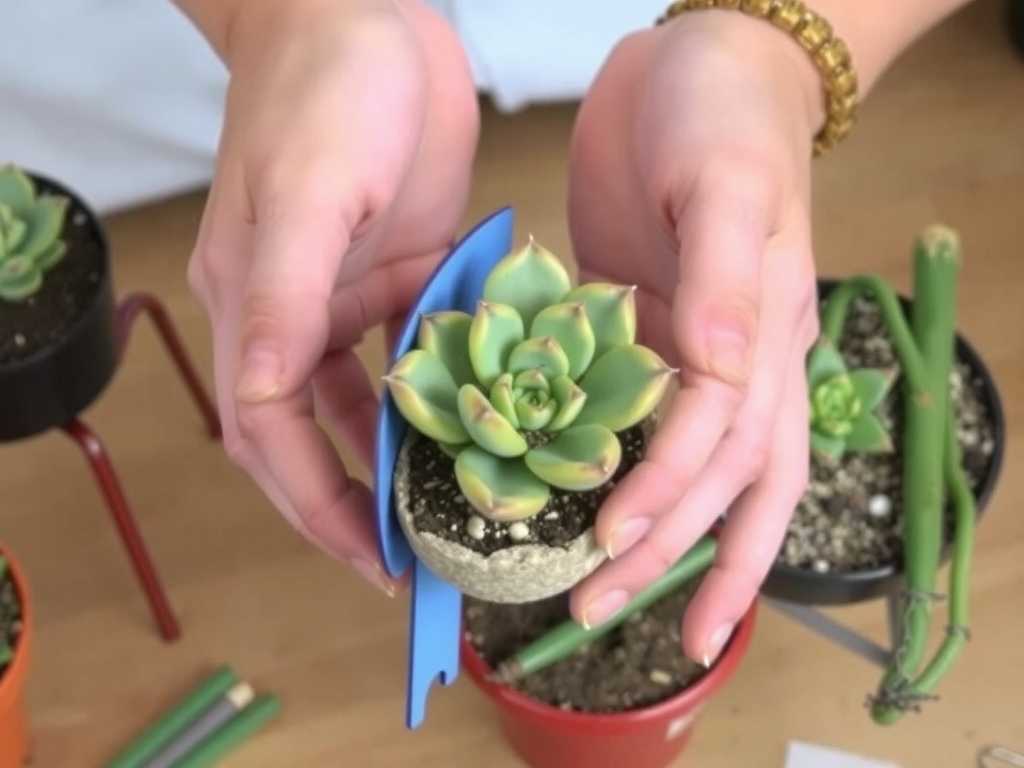
Step 1: The Gentle Extraction First, I stop watering the plant at least a week before the planned repot. Bone-dry soil makes everything easier. I don’t just yank the plant out. I squeeze the nursery pot, turn it sideways, and gently coax the root ball out. If it’s stubborn, I’ll run a knife around the inside edge. The goal here is minimal root disturbance during extraction—the major work comes next.
Step 2: The Delicate Soil Removal This is the core of proper bare root handling. I place the root ball on a newspaper and start gently teasing apart the soil with my fingers. For fine, tangled roots, I use chopsticks to pick and loosen. For stubborn, caked-on dirt, I use a soft brush to dust it away. Crucial Tip: I never run roots under a strong stream of water. A quick, gentle dunk or mist can help with the last bits, but I ensure the roots are completely dry before the next step. I learned this the hard way—wet roots are fragile and more susceptible to damage.
Step 3: The Critical Root Inspection and Pruning With the roots bare, I conduct a thorough health inspection. Healthy roots are firm and often white or light in color. I look for any that are black, mushy, papery, or crumbly—these are dead or rotting and must be removed. Using sterilized scissors or snips, I prune these away. I also trim any excessively long, circling roots to encourage a more compact, healthy growth system. This feels scary at first, but it’s like removing damaged tissue; it allows the plant to direct energy to growing new, strong roots.
Step 4: The Mandatory Drying Period Here’s the step I used to skip, with disastrous results. After pruning, the cut ends need to callous over. I lay the plant in a shady, dry, airy spot—on a paper towel or a mesh screen—and I leave it alone. For small cuts, 24-48 hours is sufficient. For larger, thicker roots or if I did significant pruning, I wait 3-5 days. This callousing seals the wounds and prevents soil-borne pathogens from entering, which is the leading cause of stem and root rot post-repotting.
Step 5: Repotting in the New Home My pot has a drainage hole. I place a piece of mesh or a shard over the hole to keep soil in. I fill the bottom third with my dry succulent mix. I hold the plant at the desired height (so the stem base is just below the pot rim) and gently backfill soil around the roots, using my chopsticks to carefully guide soil into air pockets. I don’t compact the soil; a gentle tap settles it. I do not water.
The Two-Week Observation Period: What to Expect
This is where your restraint is tested. After the bare root process, the plant is in recovery mode, focusing on root repair and growth.
- Days 1-5: The plant sits in dry soil in bright, indirect light. No direct sun, which adds stress. I watch for signs of severe distress (rapid, widespread wrinkling can mean I damaged too many roots). Otherwise, I leave it absolutely alone. No water.
- Days 6-10: I might see slight wrinkling on lower, older leaves. This is normal! The plant is using stored water to fuel new root growth. This is a sign it’s working. I continue to withhold water.
- Days 11-14: By now, the root system should have started to establish. I perform the "tug test"—a very gentle tug on the plant. If I feel slight resistance, roots have anchored. This is my green light. I give it its first thorough, deep watering—soaking the soil until water runs freely from the drainage hole. Then, I return it to its normal bright light (including direct sun if it’s a sun-loving type) and resume my regular watering schedule, which is always "soak and dry."
The Pitfalls I’ve Encountered and How to Fix Them
Pitfall 1: The Impatient Watering. My biggest early mistake was watering immediately after repotting. "The soil is dry, the plant needs a drink!" I thought. This led to rot every single time. The solution is the disciplined dry period outlined above.
Pitfall 2: Using the Wrong Soil. Even with perfect bare root technique, using regular potting soil will undo all your good work. I now use a gritty mix—about 50-70% inorganic material (perlite, pumice, coarse sand) mixed with a succulent potting soil. This ensures the rapid drainage and aeration the new, vulnerable roots desperately need.
Pitfall 3: Skipping the Root Inspection. I once repotted a succulent that looked fine on top but had a hidden, compacted root ball that was already rotting in the center. By not going fully bare root, I planted a dying plant. The fix is to be thorough and brave during the inspection phase. It’s better to find and address the problem early.
Pitfall 4: Too Much Sun, Too Soon. Freshly repotted, root-stressed succulents can sunburn easily. I now always provide a 1-2 week period of bright shade or indirect light before reintroducing them to intense direct sunlight.
How long should I wait to water after a bare root repot? You should wait at least one full week, and I often wait 10-14 days. The key indicator is not time, but root establishment. Wait until you see signs of new growth or feel slight resistance with a gentle tug, then give it a deep soak.
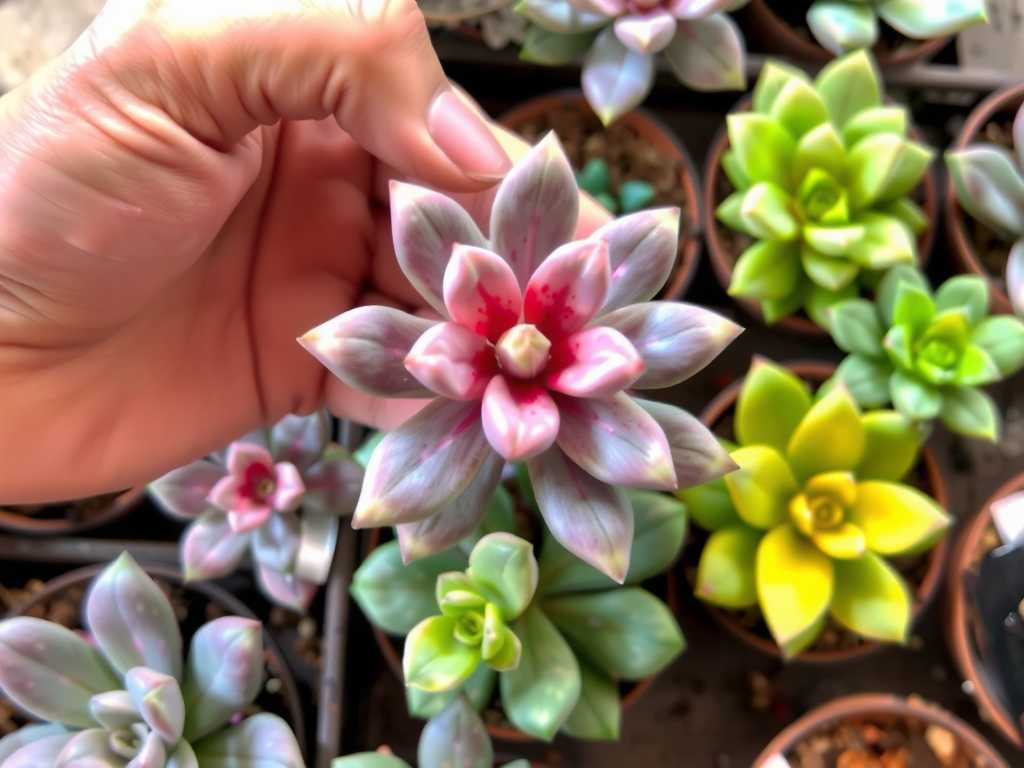
Is it normal for leaves to wrinkle or drop after this process? Yes, some lower leaf wrinkling and the loss of a few older leaves is completely normal. The plant is reallocating resources and cannot sustain all its leaves while regenerating roots. Widespread, rapid leaf loss on the upper part of the plant signals significant root damage or rot.
Can all succulents handle the bare root method? While it is the gold standard for most common succulents (Echeveria, Sedum, Haworthia, etc.), use extra caution with very fine-rooted or notoriously delicate varieties. For these, I may leave a small "core" of the original root ball intact while still removing most of the exterior soil to minimize extreme shock.
Mastering the bare root process transformed my succulent care from a guessing game into a predictable success. It requires patience and a shift in mindset—from seeing repotting as a simple container swap to viewing it as a vital surgical procedure for long-term health. By taking the time to properly clean, inspect, and rehabilitate the root system, you give your succulent the strongest possible foundation. The two-week wait might test you, but the reward is a resilient, thriving plant that will grow vigorously for years to come. Trust the process, learn from the missteps, and you’ll never look at a pot of nursery soil the same way again.