bluename
 How to Solve the Fertilizer Burn Problem of Carnations After Repotting
I love my carnations. Their vibrant colors and spicy clove-like scent make them the stars of my patio garden. But last season, I almost lost a prized collection to a classic, yet entirely preventable, mistake: fertilizer burn after repotting. If you’re reading this, you might be staring at your own carnations, noticing those tell-tale signs—crispy brown leaf tips, yellowing edges, or worse, a general wilt that watering just doesn’t fix. It’s a heart-sinking feeling. You were trying to give them a fresh start with new soil and nutrients, only to see them struggle. I’ve been there. The good news is, with prompt and correct action, you can solve the fertilizer burn problem and nurse your carnations back to health. Let me walk you through exactly what I did, based on my own two-week rescue mission and the lessons I learned the hard way.
Understanding the Root Cause: Why Repotting Triggers Burn
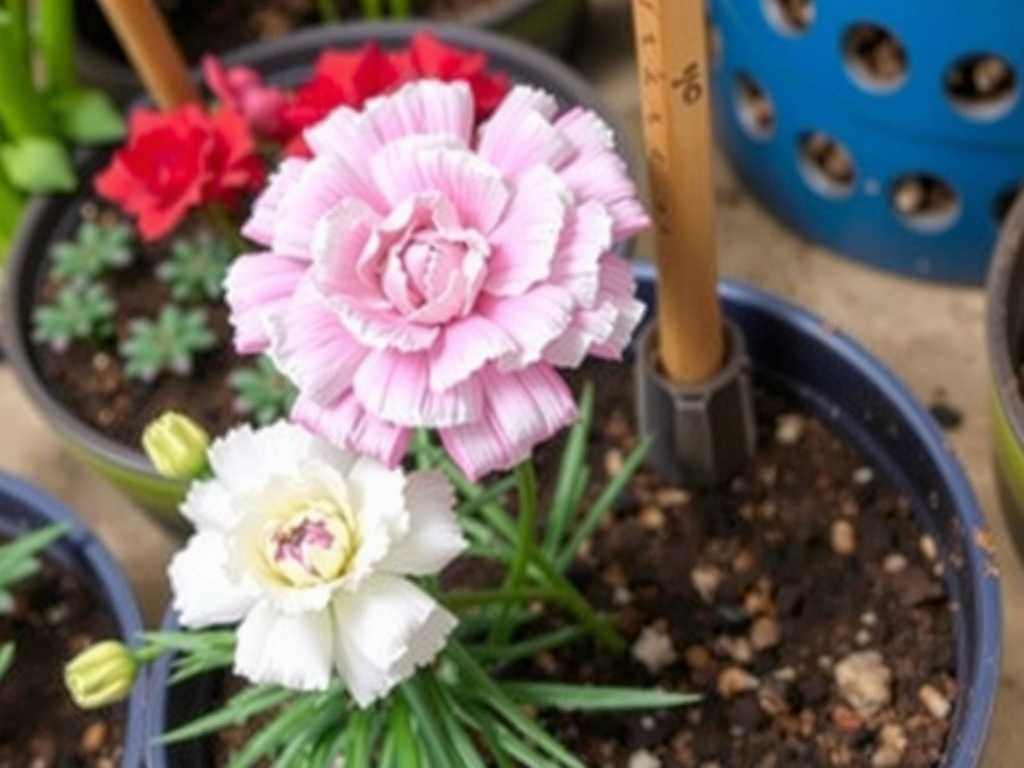
First, it’s crucial to understand why this happens. Carnations, while appreciative of good nutrition, have a moderate sensitivity to fertilizer salts. When we repot, we often use a pre-fertilized potting mix or feel compelled to add a “starter charge” of fertilizer to help the plant settle in. This is where the danger lies. Fresh potting mixes, especially many commercial “miracle” types, already contain a slow-release fertilizer charge. Adding more creates a toxic concentration of salts in the root zone. The repotting process itself can cause minor root damage, making the plant’s water-absorbing root hairs even more vulnerable to this salt onslaught. The plant loses its ability to take up water effectively, leading to drought-like symptoms despite moist soil—a classic sign of fertilizer burn.
According to the American Horticultural Society (AHS), fertilizer burn is a form of chemical drought where high soluble salt levels create an osmotic imbalance, pulling water out of the root cells. This aligns perfectly with what I observed: my plants looked thirsty, but the soil felt damp to the touch.
My Step-by-Step Rescue Protocol for Carnation Fertilizer Burn
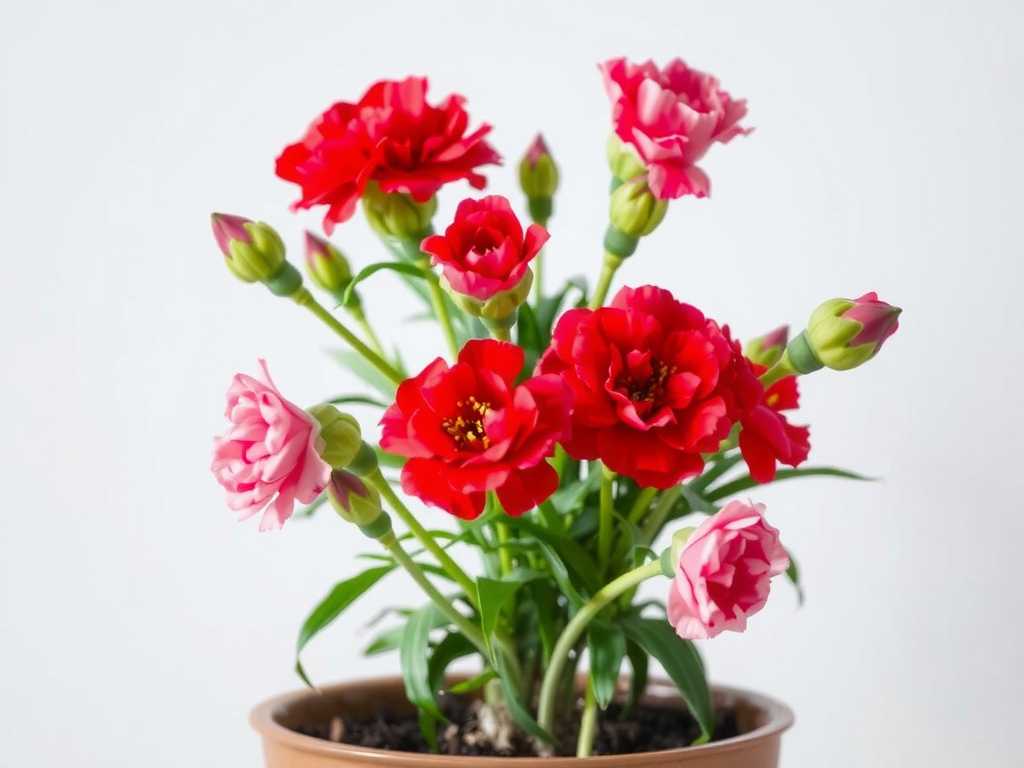
When I spotted the first browned leaf tips on my ‘Grenadin’ carnations two days after repotting, I sprang into action. Here was my plan, executed over a critical 14-day period.
Immediate Intervention: The First 48 Hours
- Flush, Flush, Flush: This is the most critical step. I immediately took my potted carnations to an area with excellent drainage. Using lukewarm water (to avoid root shock), I slowly and thoroughly drenched the soil. I allowed water to run freely through the drainage holes for a good three to five minutes. The goal, as supported by Royal Horticultural Society (RHS) guidelines on managing excess fertilizer, is to leach out the excess soluble salts. I repeated this deep flushing process three times over the first 48 hours, allowing the water to drain completely each time.
- Trim the Damage: With clean, sharp scissors, I carefully snipped off the severely burned leaf tips and any entirely yellowed leaves. This wasn’t just cosmetic; it helped the plant redirect its limited energy to recovery and new growth rather than trying to sustain damaged tissue.
- Relocate for Recovery: I moved the pots to a spot with bright, indirect light. I avoided direct, hot sun, which would have increased transpiration and water stress on the already compromised roots. A shaded patio or under a tree with dappled light is ideal.
The Recovery Phase: Days 3 to 14
- The Water-Only Diet: For the entire two-week period, I put the fertilizer completely away. My carnations were on a strict water-only regimen. I let the top inch of soil dry out slightly between waterings, checking with my finger. This prevented overwatering and allowed the roots to breathe and start repairing.
- Close Observation: I became a dedicated plant detective. Daily, I checked for new damage, but more importantly, I looked for signs of stabilization. The wilting stopped after about five days. This was my first big win. The yellowing ceased spreading.
- Humidity Help: To reduce leaf stress, I lightly misted the foliage in the early morning every few days. This provided minor humidity without making the leaves or crown wet for long periods, which can invite fungal issues.
The Results After Two Weeks
By the end of the second week, the crisis was over. The existing brown tips remained, a reminder of the lesson learned, but no new damage appeared. The plants’ overall posture improved—they stood upright again. Most encouragingly, I spotted tiny, new green growth points (nodes) forming at the stems. This was the definitive sign that the roots were functioning again and the plant was redirecting energy to growth. They were officially on the mend.
The Pitfalls I Encountered and How I Fixed Them
My journey wasn’t perfectly smooth. I made a couple of errors that could have derailed the recovery.
- The Pitfall of Premature Feeding: Around day 10, seeing the new growth, I was tempted to give them a very diluted dose of liquid seaweed to “boost” them. I’m glad I resisted. According to an RHS advisory on plant stress, fertilizing a recovering plant can restart the stress cycle. I waited a full four weeks after the initial signs before introducing a quarter-strength, balanced liquid fertilizer.
- Misdiagnosing the Wilt: Initially, I almost fell into the trap of thinking the wilt was from underwatering. My instinct was to water more frequently. Thankfully, I checked the soil first. It was still moist. Adding more water without flushing would have exacerbated the root rot risk without solving the salt problem. Always let the soil condition, not just the wilted leaves, guide your first action.
How to Prevent Fertilizer Burn When Repotting Carnations
Prevention is infinitely easier than cure. Here is my new, foolproof routine for repotting carnations.
- Choose the Right Medium: I now use a simple, well-draining potting mix labeled for cuttings or seedlings, as these often have little to no added fertilizer. My go-to blend is two parts peat-free potting compost to one part perlite or coarse horticultural sand. This ensures drainage and a low initial nutrient level.
- The “No-Fertilizer” Start: I add no granular or liquid fertilizer to the potting mix or planting hole. The carnation’s fresh roots need time to explore and establish in their new home without chemical interference.
- Timing is Everything: I wait at least 4 to 6 weeks after repotting before considering any fertilizer. Only when I see active, healthy new growth do I begin with a very diluted, balanced feed.
- Adopt a “Less is More” Feeding Philosophy: For established, potted carnations, I follow the AHS’s recommendation of using half the dosage suggested on the fertilizer label. I apply a diluted liquid fertilizer every 3-4 weeks during the peak growing season (spring to early summer), rather than a heavy, infrequent dose.
Addressing Your Key Concerns
Can carnations recover from severe fertilizer burn? Yes, they absolutely can, if the growing point (crown) of the plant is still healthy. The recovery process focuses on saving the root system. Even if all the foliage is badly damaged, as long as the crown and some roots are viable, flushing the soil and providing careful aftercare can spur new shoots from the base. Patience is key—recovery can take several weeks.
What is the best type of fertilizer for potted carnations to avoid burn? After recovery, I swear by a balanced, water-soluble fertilizer with an equal NPK ratio (like 10-10-10 or 20-20-20), but always diluted to half or even a quarter strength. Organic options like fish emulsion or liquid seaweed are also excellent, gentler choices. The critical factor is dilution and frequency—think of it as providing a steady, light snack rather than a huge, infrequent feast.
How do I know if my potting mix already has fertilizer in it? Always read the bag carefully. Look for phrases like “feeds for 3 months,” “contains slow-release fertilizer,” or has an NPK ratio listed on the label. If you see these, treat it as a pre-fertilized mix and do not add any supplemental feed during repotting. When in doubt, assume it has fertilizer and choose a plain mix for sensitive repotting jobs.
Watching my carnations bounce back from the brink was incredibly rewarding. It taught me that successful gardening isn’t about providing the most, but about providing the right care at the right time. Fertilizer burn after repotting is a setback, but it doesn’t have to be a death sentence. By acting quickly to flush the soil, putting fertilizer on hold, and giving your plant a calm environment to heal, you’ll likely see those resilient carnations return to health. Remember, the path to vibrant blooms starts with happy, unharmed roots. Let your plant tell you when it’s ready to eat, and you’ll both be much happier for it.