bluename
 How to Care for Mainstream Gerbera Varieties? Efficient Care Methods for Vibrant Blooms
You brought home a stunning pot of Gerbera daisies, their cheerful faces promising weeks of color. But within days, the leaves might droop, the blooms fade too quickly, or mysterious spots appear. This common frustration stems from treating these vibrant perennials like ordinary houseplants. Caring for mainstream Gerbera varieties successfully requires understanding their specific needs for light, water, and soil. This guide cuts through the guesswork, offering clear, efficient methods to keep your Gerberas thriving and flowering repeatedly.
The key distinction lies in their origin. Gerbera jamesonii, the parent of most mainstream hybrids, hails from South African grasslands. They crave bright light, excellent drainage, and consistent moisture without wet feet. Ignoring these core needs is the primary reason for failure. Let's transform your approach and unlock their long-lasting beauty.
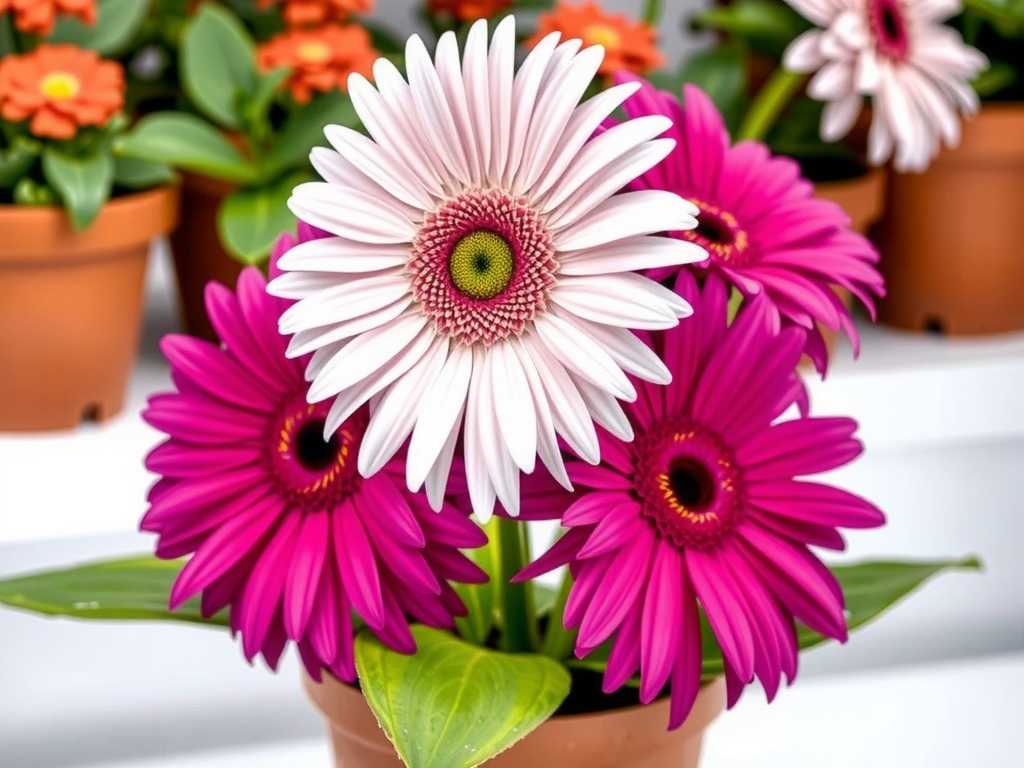
Understanding Your Gerbera's Basic Needs
Think of light, water, and soil as the non-negotiable foundation. Getting these right solves over 80% of common Gerbera problems.
Light: The Engine of Blooms Gerberas are sun worshippers. They require a minimum of 4-6 hours of direct sunlight daily, with bright, indirect light for the rest of the day. An east or south-facing window is ideal indoors. Insufficient light leads to leggy growth, pale leaves, and a severe lack of flowers. As noted by the University of Florida IFAS Extension, maximum flower production in Gerberas is directly tied to high light intensity. If natural light is limited, consider supplementing with a grow light placed 6-12 inches above the plant for 12-14 hours a day.
Watering: The Delicate Balance This is where most caregivers stumble. The goal is consistently moist soil, never soggy and never bone dry. Water thoroughly when the top inch of soil feels dry to the touch. Always water at the base of the plant, directly onto the soil, avoiding the crown (where the leaves meet the roots) and the leaves themselves. Crown rot, a fatal fungal disease, is primarily caused by water settling in the center of the plant. Use room-temperature water to avoid shocking the roots. Ensure your pot has excellent drainage holes, and never let the pot sit in a saucer of standing water for more than 30 minutes.
Soil and Potting: Building the Right Home A lightweight, fast-draining potting mix is essential. A standard potting soil amended with 30-40% perlite, coarse sand, or coconut coir creates the perfect airy environment. The pot itself matters. Choose a container with multiple drainage holes that is only 1-2 inches wider than the root ball. A pot that's too large holds excess moisture, risking root rot. Repot your Gerbera every 1-2 years in early spring to refresh the soil and provide a slight size increase if needed.
Step-by-Step Efficient Care Routine
A proactive routine prevents problems and encourages continuous blooming.
Weekly Check and Watering Make it a habit to check soil moisture weekly. Insert your finger into the soil. If dry, water deeply until it runs freely from the bottom. Discard the excess water. Rotate the pot a quarter turn each week to ensure even growth. Gently remove any spent flowers or yellowing leaves at the base to keep the plant tidy and prevent disease.
Monthly Feeding for Robust Growth During the active growing and flowering season (spring through fall), feed your Gerbera every 3-4 weeks. Use a balanced, water-soluble fertilizer diluted to half strength, such as a 10-10-10 or 14-14-14 formula. A fertilizer higher in potassium (the third number) can promote stronger blooms. Avoid over-fertilizing, which leads to salt buildup and leaf burn. Flush the soil with plain water every few months to leach out excess salts. In winter, reduce feeding to once a month or suspend it entirely if the plant is dormant.
Seasonal Adjustments for Year-Round Health Gerberas enjoy a slight winter rest. Reduce watering frequency in cooler, low-light months, allowing the soil to dry out a bit more between waterings. Keep them away from cold drafts and heating vents. As daylight increases in spring, resume regular watering and begin fertilizing to kickstart a new flowering cycle. For outdoor Gerberas in summer, provide afternoon shade in very hot climates to prevent scorching.
Troubleshooting Common Gerbera Problems
Even with great care, issues can arise. Here’s how to diagnose and fix them efficiently.
Yellowing Leaves: Diagnosis and Action Yellow leaves have several causes. Lower, older leaves turning yellow is often natural senescence; simply pluck them off. Widespread yellowing, especially in new growth, typically signals overwatering. Check your soil moisture and drainage immediately. Yellowing with green veins might indicate an iron deficiency, common in Gerberas when soil pH is too high. Applying a chelated iron supplement can correct this.
Lack of Flowering: Encouraging Blooms If your plant is healthy but not blooming, the culprit is usually insufficient light. Move it to a brighter location. Excess nitrogen fertilizer can also promote leafy growth at the expense of flowers; switch to a bloom-booster formula higher in phosphorus and potassium. Ensure you are deadheading faithfully, as this signals the plant to produce more flower buds instead of setting seed.
Pest and Disease Management Aphids, whiteflies, and spider mites are the main pests. Blast them off with a strong stream of water or use insecticidal soap. For fungal issues like powdery mildew (white spots on leaves) or gray mold (on flowers), improve air circulation, avoid wetting foliage, and remove affected parts. A fungicide may be necessary for severe cases. Prevention through proper watering and spacing is always the best medicine.
Expert Tips for Advanced Care
To go from good to great, incorporate these professional practices.
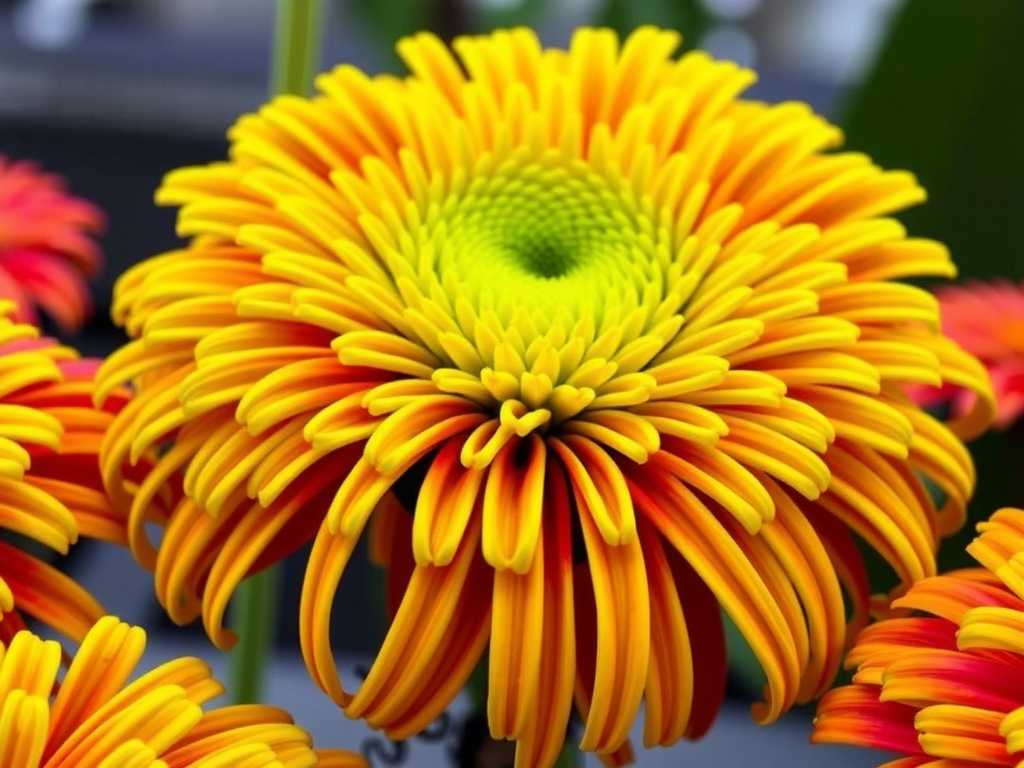
Mastering the Art of Deadheading Don't just snap off the old flower head. Follow the stem down to the base of the plant, near the main crown, and give it a firm, clean pull or cut. This method, recommended by commercial growers, encourages the plant to send up new flowering stems from the base more vigorously than if you leave a stub.
Optimizing Humidity and Airflow Gerberas appreciate moderate humidity (around 40-50%) but despise stagnant air. In dry homes, place the pot on a pebble tray filled with water (ensuring the pot sits above the waterline). A small oscillating fan set on low in the room can dramatically improve air circulation, strengthening stems and deterring fungal pathogens.
Propagation for More Plants You can propagate your favorite mainstream Gerbera varieties through division. During repotting in spring, gently separate a mature clump into sections, each with its own roots and several leaves. Replant immediately. This is the most reliable method for home growers to get genetically identical plants. While growing from seed is possible, it's less efficient for maintaining specific hybrid traits.
Frequently Asked Questions
Why are the flower stems on my Gerbera so floppy and bent? This condition, called "bent neck," is almost always caused by insufficient water uptake. It often happens when the plant is slightly underwatered or when a rapidly developing flower stem outpaces water supply. Ensure consistent soil moisture, especially when buds are forming. Cutting flowers for vases early in the morning, when stems are fullest of water, can also prevent this.
Can I grow my potted Gerbera daisy outdoors in the garden? Absolutely. In USDA zones 8-11, they can be grown as perennials. In cooler zones, treat them as annuals or dig them up before the first frost to overwinter indoors. Acclimate them gradually to outdoor conditions in spring after all danger of frost has passed. Choose a site with morning sun and afternoon shade in hot climates, and ensure the garden bed has exceptional drainage.
How long do Gerbera plants typically live? As perennial plants, with excellent care, a Gerbera daisy can live and bloom for 2-3 years, sometimes longer. Their peak flowering performance is often in the first and second year. After this, they may become less vigorous, which is why division during repotting is an excellent way to renew your stock and maintain a continuous display of vibrant flowers.
Success with Gerbera daisies is a rewarding journey of attentive, informed care. By providing strong light, mastering the soak-and-dry watering technique, and using a well-draining home for their roots, you create the foundation for success. Incorporating a simple routine of feeding, deadheading, and seasonal adjustments will keep these joyful blooms coming. Remember, observing your plant is your best tool—it will tell you what it needs. With these efficient methods, the vibrant, long-lasting flowers of your Gerbera will become a reliable highlight in your home or garden.