bluename
 How to Care for Classic Bougainvillea Varieties? Practical Cultivation Guide
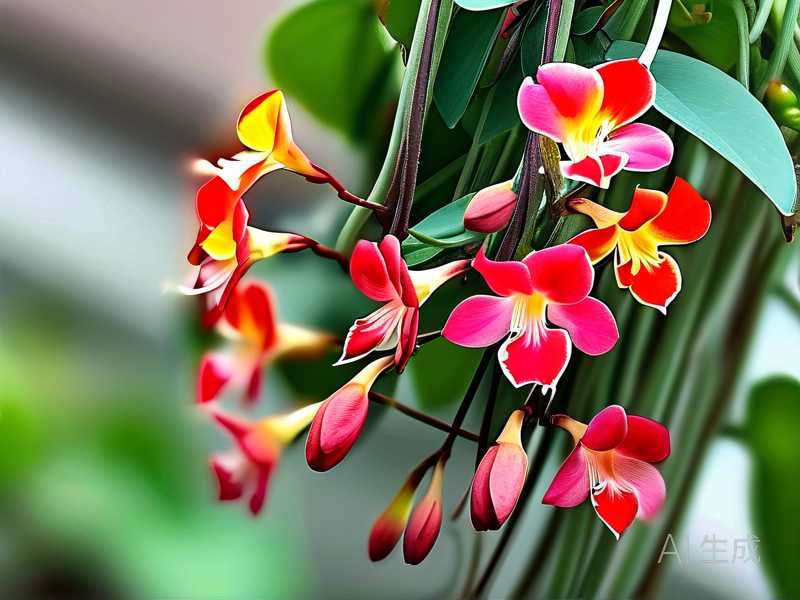
You’ve brought home a stunning classic bougainvillea, dreaming of vibrant, papery bracts cascading over your fence or balcony. But weeks later, you’re staring at sparse leaves, few flowers, or a plant that just seems unhappy. This frustration is common. These iconic plants, like the beloved ‘Barbara Karst’ with its crimson blooms or the elegant white ‘Snow White,’ have specific needs that, when unmet, lead to lackluster performance. This practical guide cuts through the confusion, offering clear, actionable steps to help your classic bougainvillea varieties not just survive, but thrive and become the show-stopping centerpiece you envisioned.
Understanding Your Classic Bougainvillea’s Core Needs
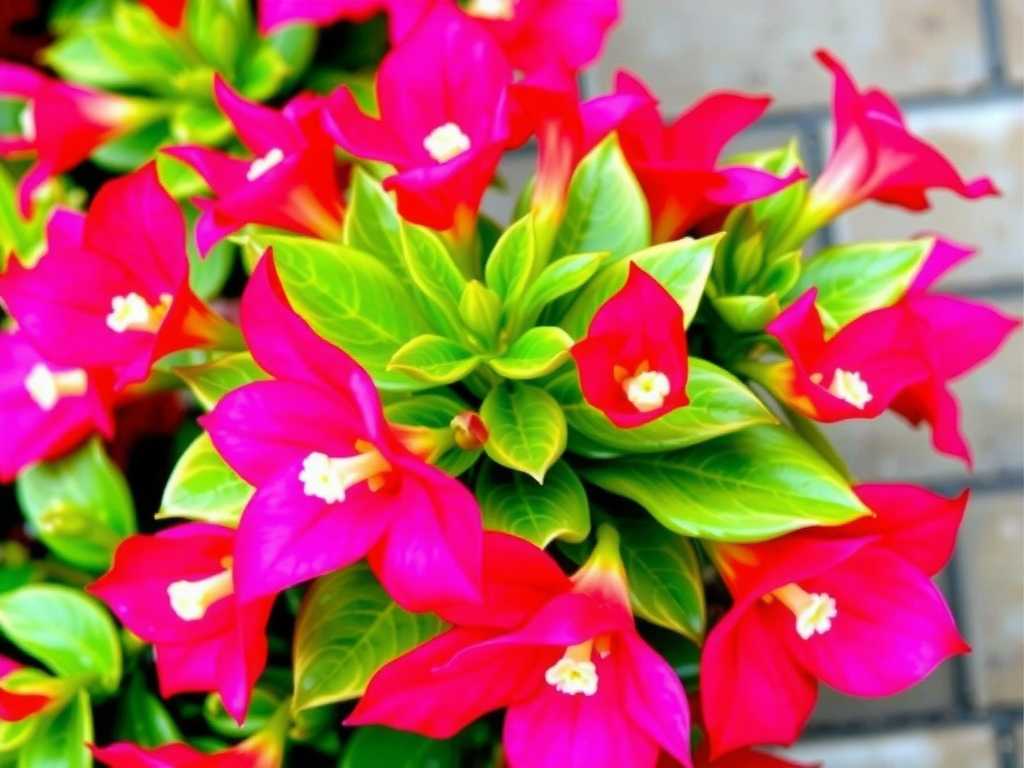
Before diving into care steps, it’s crucial to understand what makes these plants tick. Bougainvilleas are native to South America’s sunny, well-drained slopes. They are drought-tolerant, sun-worshipping vines that flower best when slightly root-bound and under a bit of stress. As noted by horticulturist Dr. Linda Chalker-Scott, “Bougainvillea’s spectacular display is often a response to its environment; ample sun and restricted roots signal it to reproduce, which for us means more colorful bracts.” Keeping this natural preference in mind is the key to success.
Sunlight: The Non-Negotiable Foundation
This is the most critical factor. Your bougainvillea demands direct sunlight. Aim for a minimum of 6 hours, but 8 or more is ideal for maximum flowering. Insufficient sun is the primary reason for a bougainvillea that grows leaves but no blooms. Place it in your garden’s sunniest spot—south or west-facing exposures are perfect. For container-grown varieties, don’t be afraid to move them to chase the light throughout the seasons.
Planting and Soil: Building the Right Home
Whether in-ground or in a pot, drainage is paramount. Bougainvillea despises “wet feet.” For containers, use a coarse, well-draining potting mix. A cactus/succulent blend is excellent, or create your own with two parts standard potting soil, one part perlite, and one part coarse sand or pine bark. The pot must have large drainage holes. For in-ground planting, if your soil is heavy clay, amend it generously with gravel and compost or build a raised mound to improve drainage. Slightly acidic to neutral soil pH (5.5 to 7.0) is preferred.
Watering Wisely: The Art of Neglect
Overwatering is a silent killer. Establish a “soak and dry” routine. Water deeply until it runs from the drainage holes, then allow the soil to become quite dry before watering again. For in-ground plants, once established, they are remarkably drought-tolerant and may only need watering during prolonged dry spells. Potted plants will need more frequent watering, especially in heat, but always check the soil first. When in doubt, wait another day. A plant stressed by slight dryness will flower more profusely than one kept constantly moist.
Feeding for Fabulous Flowers
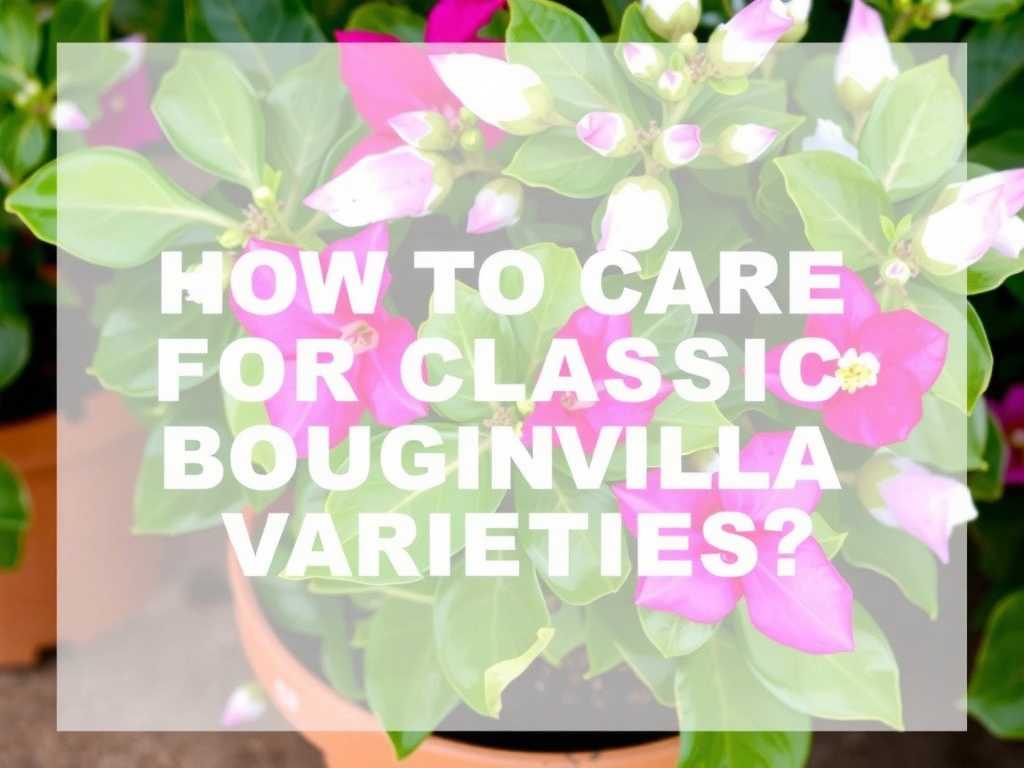
Bougainvilleas are not heavy feeders, and too much nitrogen promotes leafy growth at the expense of blooms. Use a balanced, slow-release fertilizer (with equal parts N-P-K like 10-10-10) or one slightly higher in phosphorus (the middle number, e.g., 6-8-10) in early spring as growth begins. A monthly application of a water-soluble bloom booster fertilizer during the peak growing season can enhance color. As expert grower Manuel de la Cruz advises, “Stop heavy feeding by late summer to allow the plant to harden off before cooler temperatures arrive.”
Pruning and Shaping: Encouraging Bushy Growth and Blooms
Pruning is essential for maintaining shape and encouraging the new growth on which flowers form. The best time for major pruning is late winter or early spring, just before the new growth flush. You can safely remove up to one-third of the plant. Wear gloves, as most varieties have sharp thorns. Throughout the growing season, regularly tip-prune (pinch off the ends of branches) after a flush of blooms fade. This promotes branching and triggers the next flowering cycle. For a standard tree form, select a strong central leader and prune away lower branches.
Winter Care and Protection
Classic bougainvillea varieties are tender to frost. Temperatures below 40°F (4°C) can cause damage. In frost-free climates (USDA zones 9-11), they can be left in the ground with a layer of mulch for root protection. In cooler areas, potted plants must be brought indoors before the first frost. Place them in the sunniest window possible—a south-facing one is best—and reduce watering significantly, letting the soil dry out almost completely. The plant may drop leaves; this is normal. Resume regular care and move it back outside only after all danger of frost has passed in spring.
Troubleshooting Common Problems
- Yellowing Leaves: Often a sign of overwatering or poor drainage. Check your watering schedule and soil condition first.
- Lack of Blooms: The usual suspects are insufficient sun, overwatering, over-fertilizing (especially with nitrogen), or a pot that is too large. Address these factors systematically.
- Pests: Aphids, caterpillars, and scale can appear. A strong blast of water or an application of insecticidal soap or neem oil is usually effective. Healthy, well-sited plants have fewer pest issues.
My bougainvillea is growing vigorously but has no flowers. What’s wrong? This is almost always due to excess nitrogen (from fertilizer or rich soil) or not enough direct sunlight. The plant is putting energy into leaves, not blooms. Cut back on fertilizer, especially high-nitrogen ones, and ensure it gets at least 6 hours of direct, unfiltered sun. Slightly restricting water can also help trigger flowering.
Can I grow a classic bougainvillea in a cold climate? Yes, but as a seasonal container plant. Choose a large pot with excellent drainage. Enjoy it outdoors from late spring to early fall. Before the first frost, prune it back by about one-third and move it to a cool (45-55°F), bright indoor location like a garage or sunroom for dormant winter storage. Water only sparingly to prevent the roots from completely drying out. In spring, acclimate it back to the outdoors gradually.
How do I get more vibrant color in the bracts? Color intensity is linked to plant health and environmental stress. Ensure it gets maximum sunlight. While feeding is important, a slight nutrient stress (using a low-nitrogen fertilizer) can sometimes intensify colors. Also, some varieties, like ‘Royal Purple,’ naturally have deeper hues than others. The color you see is not the flower but modified leaves called bracts; the true flower is the small white center.
Caring for classic bougainvillea varieties is a rewarding practice that balances providing essential needs with understanding the plant’s natural tendencies. Success lies in mastering the fundamentals: relentless sun, impeccable drainage, disciplined watering, and strategic feeding and pruning. By mimicking the dry, bright conditions of its native habitat, you encourage the spectacular floral displays these plants are famous for. Start with a healthy specimen of a proven variety, place it correctly, and resist the urge to over-care. With patience and these practical steps, your bougainvillea will transform from a challenging plant into a resilient, breathtaking source of color in your garden for years to come.