bluename
 How to Care for Different Poppy Varieties? Simple Cultivation Tips
You’ve fallen in love with the breathtaking beauty of poppies—their delicate, papery petals and vibrant colors are irresistible. But after bringing home seeds or seedlings, confusion sets in. Why did your Oriental poppies fail to return, while your neighbor’s flourish? Why do your California poppies look leggy instead of forming a lush carpet? Caring for poppies isn’t one-size-fits-all; each major variety has unique needs. This guide cuts through the complexity, offering clear, actionable cultivation tips tailored to each popular type, ensuring your garden becomes a poppy paradise.
Understanding the Poppy Family: A Quick Overview
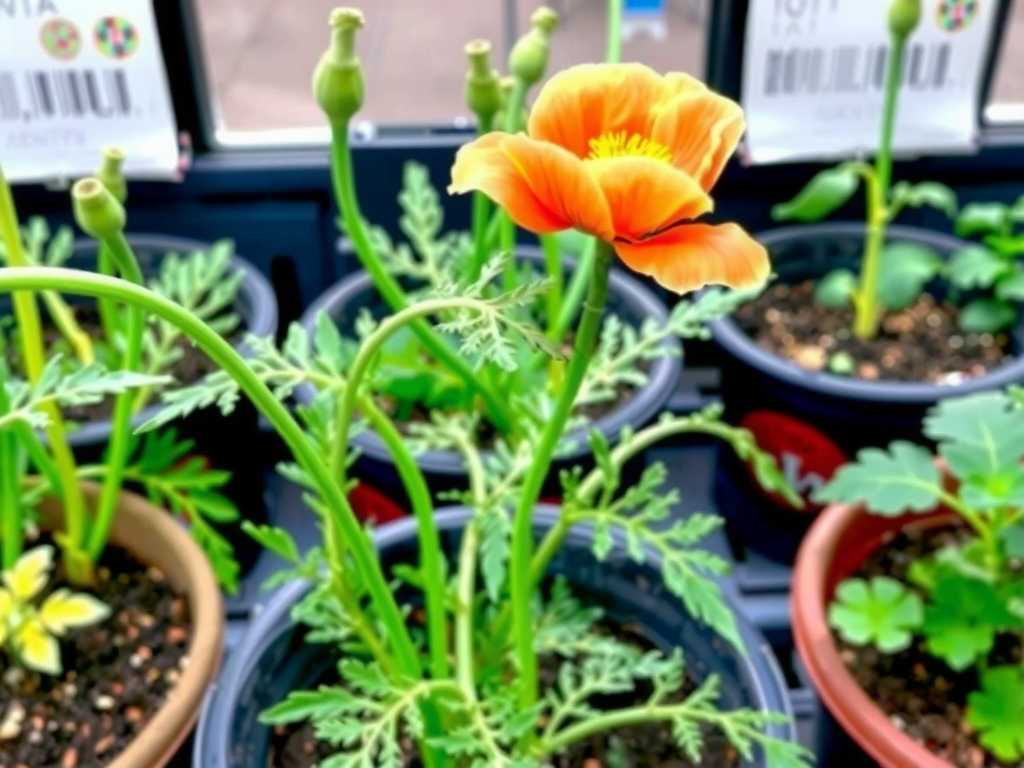
Poppies belong to the Papaveraceae family, but their care requirements can differ dramatically. Broadly, they fall into perennial types (like Oriental poppies), annuals (like the common Corn Poppy), and self-seeding annuals/biennials (like the Icelandic poppy). Success starts with knowing exactly which variety you have. Check your seed packet or plant tag. This simple step is the foundation of all effective poppy varieties care.
Universal Foundations: What All Poppies Need
Before we dive into specifics, let’s cover the non-negotiables that apply to almost all poppies.
Sunlight is non-negotiable. Poppies crave full sun, meaning at least 6-8 hours of direct sunlight daily. Less light leads to weak, floppy stems and poor flowering.
Soil must be well-draining. Soggy roots are a death sentence. “Poppies absolutely despise wet feet,” notes horticulturist and author Jane Smith. “Amending heavy clay soil with generous amounts of compost or grit is essential for longevity.” A neutral to slightly alkaline soil pH is ideal.
Watering follows a “soak and dry” method. Water deeply when the top inch of soil is dry, then allow the soil to dry out somewhat before watering again. Overwatering is a far more common mistake than underwatering.
Now, let’s tailor your care to the specific variety.
Caring for Oriental Poppies (Papaver orientale)
Oriental poppies are the dramatic divas of the perennial border, with huge, satiny flowers and hairy foliage.
Planting and Siting: Plant bare-root divisions or container-grown plants in early spring or early fall. Choose a permanent location, as they develop deep taproots and resent disturbance. Ensure excellent winter drainage to prevent crown rot.
Seasonal Care Cycle: After their spectacular late spring bloom, the foliage will yellow and die back by mid-summer. This is normal! Do not cut it back until it’s completely brown; the plant is gathering energy for next year. Mark the spot to avoid accidentally digging into the dormant crown. Apply a thin mulch in fall for winter protection in colder zones.
Dividing and Propagation: Divide large clumps every 4-5 years in late summer when the plant is dormant. This reinvigorates blooming. Use a sharp spade and replant divisions immediately at the same soil level.
Cultivating Annual Corn Poppies (Papaver rhoeas)
These are the classic “Flanders Field” poppies, symbols of remembrance. They are easy annuals that thrive on neglect.
The Secret is in the Sowing: Scatter seeds directly onto prepared soil in early spring or late fall. Do not cover them; they need light to germinate. Simply press them gently into the soil surface. Keep the area moist until germination. Thin seedlings to about 6 inches apart to allow for air circulation.
Minimalist Maintenance: Once established, they are remarkably drought-tolerant. Avoid fertilizing, as rich soil promotes leafy growth at the expense of flowers. The key to a long bloom period is deadheading—regularly removing spent flowers to prevent seed formation and encourage more blooms.
Let Them Self-Sow: To ensure a display next year, stop deadheading at the end of the season and let some seed pods mature and naturally scatter their seeds. Lightly rake the area in fall to help contact with soil.
Growing California Poppies (Eschscholzia californica)
These sun-loving, drought-resistant natives are perfect for hot, dry slopes and meadows. They are technically perennials but often grown as annuals.
Planting for Success: Direct sow is the only reliable method, as they have a sensitive taproot. Sow seeds in place after the last frost. They thrive in poor to average, sandy, fast-draining soil. In fact, overly fertile soil will cause them to grow weak and flop.
Watering Wisdom: Water seedlings regularly, but once established, California poppies are incredibly low-water. Rely on rainfall in most climates. Overwatering causes root rot and fungal issues.
Managing Growth: They have a sprawling habit. For a tidier look in borders, you can gently contain them or plant them where they can cascade. No deadheading is needed for continued bloom; they flower profusely on their own.
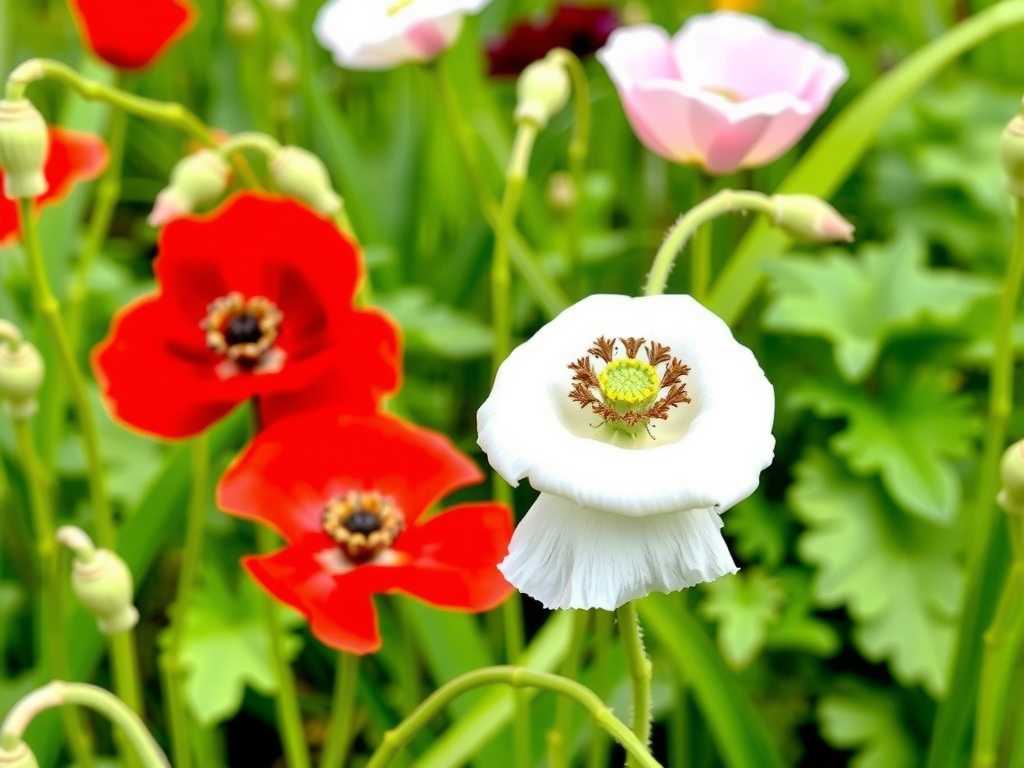
Nurturing Icelandic Poppies (Papaver nudicaule)
Icelandic poppies offer delicate, crepe-paper blooms on long stems, ideal for cutting. They are short-lived perennials often grown as cool-season annuals or biennials.
Climate is Key: They prefer cool summers and mild winters. In hot climates, they are best grown as winter/spring annuals. In cooler zones, they can behave as perennials.
Sowing and Planting: For blooms the first year, start seeds indoors 8-10 weeks before the last frost, barely covering the dust-like seeds. Transplant seedlings carefully outdoors after hardening off. For a biennial cycle, sow in late summer for flowers the following spring.
Feeding and Care: They appreciate slightly richer, consistently moist (but not wet) soil compared to other poppies. A monthly dose of a balanced, water-soluble fertilizer during the growing season supports their long blooming period. Remove old flower stems to encourage more.
Troubleshooting Common Poppy Problems
Even with perfect care, issues can arise. Here’s how to tackle them.
Leggy Seedlings/Weak Stems: This is almost always due to insufficient light. Ensure full sun exposure. For seedlings started indoors, use a grow light placed very close to the plants.
Failure to Flower: The usual culprits are too much nitrogen fertilizer (promotes leaves, not blooms), insufficient sunlight, or overcrowding. Correct these conditions.
Powdery Mildew: This white fungal coating appears in humid conditions with poor air circulation. Space plants properly, water at the soil level (not overhead), and treat with an organic fungicide like neem oil if needed.
Pests: Aphids can be a nuisance. Blast them off with a strong jet of water or use insecticidal soap. Slugs and snails love young poppy foliage; use organic slug bait or beer traps.
My poppies bloomed once and then disappeared. What happened? You likely have an annual variety, like the Corn Poppy, which completes its life cycle in one season. For perennial types like Orientals, summer disappearance is normal dormancy; the plant will return from its roots next spring. Ensure the crown has good winter drainage.
Can I grow poppies in pots or containers? Yes, particularly the smaller varieties like some Icelandics or California poppies. Choose a deep pot (at least 12 inches) to accommodate taproots, use a very well-draining potting mix, and ensure the container has excellent drainage holes. Watering needs will be more frequent than in-ground plants.
Are all poppies legal to grow? It is crucial to know your local laws. The opium poppy (Papaver somniferum) is illegal to cultivate in many countries, including the United States, without a specific permit. However, the ornamental varieties discussed here (Oriental, Corn, California, Icelandic) are universally legal to grow for garden purposes. Always purchase seeds from reputable garden centers.
Mastering the art of poppy varieties care transforms uncertainty into confidence. By respecting the individual personality of each type—from the deep-rooted permanence of the Oriental to the carefree, self-sowing charm of the Corn Poppy—you work with their nature, not against it. Start with the non-negotiable foundation of sun and sharp drainage, then apply these specific cultivation tips. The reward is a resilient, vibrant display that returns with more grace and color each year, a true testament to your tailored care.