bluename
 How to Care for Common Cosmos Varieties? A Complete Care Guide for Beginners
You’ve planted those cheerful cosmos seeds, dreaming of a summer filled with dancing, daisy-like blooms. But now, your seedlings look leggy, the leaves are turning yellow, or maybe the flowers just aren’t coming. It’s frustrating when your garden vision doesn’t match reality. The good news? Cosmos are famously easy to grow, often called the “perfect beginner’s flower.” The key is understanding a few simple, non-negotiable needs that make all the difference between a struggling plant and a breathtaking, pollinator-filled display. This guide will walk you through exactly how to care for common cosmos varieties, turning potential pitfalls into a foolproof path to success.
Understanding Your Cosmos: The Two Main Types
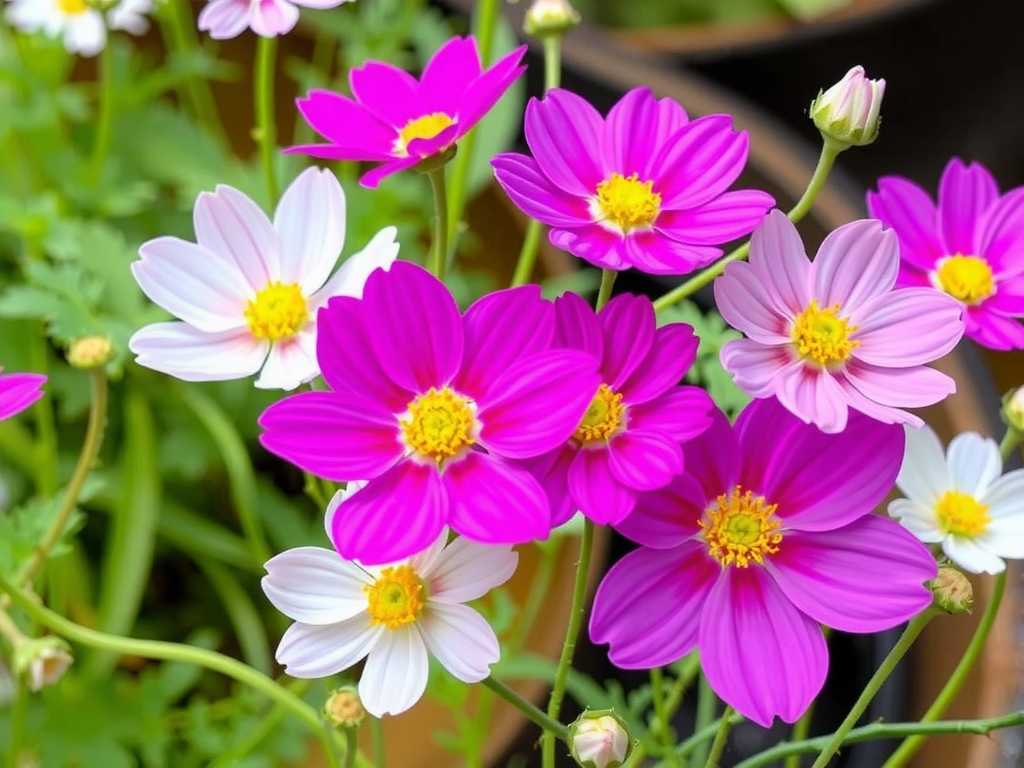
Before we dive into care, knowing which cosmos you’re growing helps tailor your approach. The two most common varieties are Cosmos bipinnatus and Cosmos sulphureus.
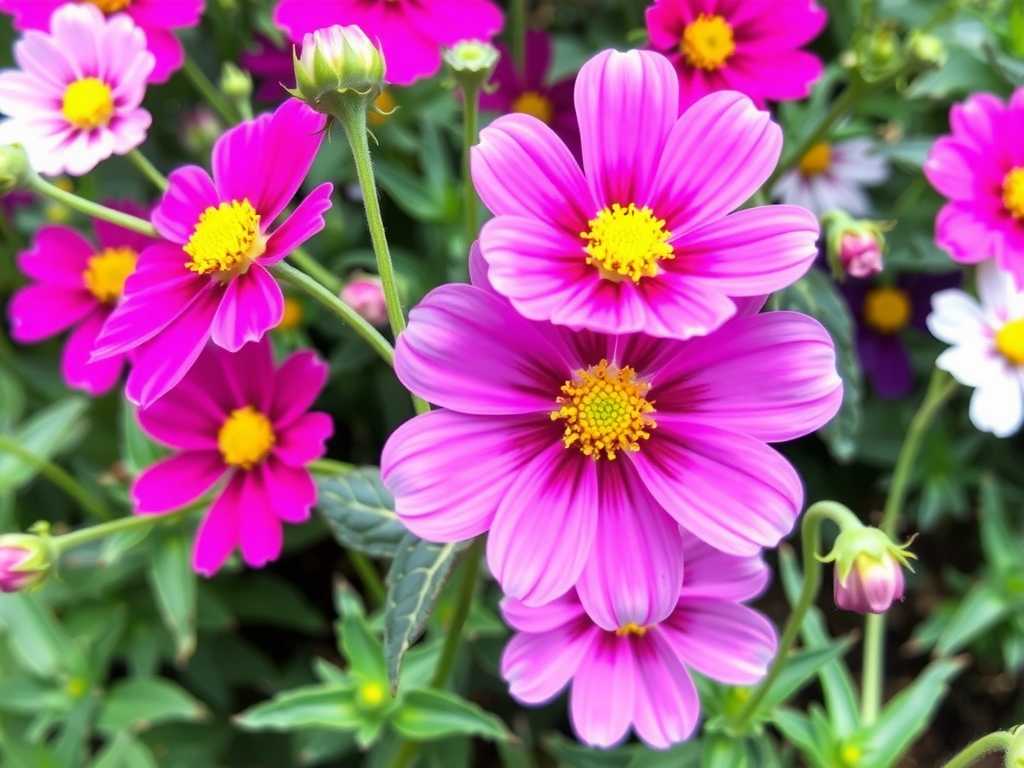
Cosmos bipinnatus is the classic image of a cosmos. It features feathery, fern-like foliage and produces large, saucer-shaped flowers on tall, slender stems. Colors range from pristine white and soft pink to deep crimson and vibrant magenta. These are the quintessential cottage garden flowers, excellent for cutting and growing up to 4-6 feet tall.
Cosmos sulphureus offers a fiery palette of yellow, orange, and red blooms. Its foliage is broader and less feathery than its cousin. Typically more compact and drought-tolerant, these varieties bring a warm, sun-drenched look to borders and containers, usually staying between 1-3 feet in height.
The 6 Essential Steps for Thriving Cosmos
1. Planting for Success: Sun and Soil are Everything
Cosmos are sun worshippers. They demand a minimum of 6-8 hours of direct, unfiltered sunlight daily. More sun equals more flowers and sturdier plants that are less prone to disease. As the Royal Horticultural Society notes, “Cosmos thrive in a warm, sunny spot sheltered from strong winds.”
The soil requirement is simple: poor to average is better than rich. They excel in well-draining soil. Heavy, clay-rich, or overly amended garden soil can lead to lush foliage at the expense of blooms and cause root rot. If your soil is dense, mix in some coarse sand or compost to improve drainage. A neutral soil pH is ideal, but they are highly adaptable.
2. The Art of Watering: Less is Often More
Overwatering is the number one killer of cosmos. These plants are naturally drought-resistant once established. The goal is deep, infrequent watering that encourages strong root growth.
For newly transplanted seedlings, water regularly to help them settle in. Once established, a good rule is to water only when the top 1-2 inches of soil are completely dry. Provide a slow, deep soak at the base of the plant, avoiding wetting the foliage to prevent fungal issues. In containers, check moisture more frequently, as pots dry out faster.
3. Feeding: The “No-Fuss” Fertilizer Rule
Remember the “poor soil” preference? It applies to fertilizer, too. Cosmos generally do not need supplemental feeding in garden soil. In fact, too much nitrogen (the first number on a fertilizer bag) will result in tall, leafy plants with very few flowers.
If you are growing in very poor soil or containers, a single application of a balanced, slow-release fertilizer at planting time is sufficient. Alternatively, a half-strength dose of a bloom-booster fertilizer (higher in phosphorus) mid-season can encourage more flowers, but it’s rarely necessary.
4. Deadheading: Your Secret to Months of Blooms
This is the single most impactful practice for continuous flowers from early summer until the first hard frost. Deadheading is simply removing spent flowers before they go to seed.
Use clean pruners or your fingers to snip the flower stem back to the first set of leaves below the faded bloom. This signals the plant to produce more flowers instead of putting energy into seed production. Make it a weekly habit during your garden walk. For large plantings, you can shear the plants back by one-third mid-season to encourage a fresh flush of growth and blooms.
5. Supporting Tall Varieties
Tall varieties of Cosmos bipinnatus, especially in rich soil or windy areas, can become top-heavy and flop over. Prevention is easy.
Install stakes, bamboo canes, or grow-through plant supports early in the season, when plants are about 12 inches tall. As the cosmos grow, gently tie the main stems to the support with soft garden twine. Another clever method is to plant them densely; they will support each other as a group.
6. Managing Pests and Diseases
Cosmos are remarkably trouble-free. The most common issues are often due to overwatering or poor air circulation.
Aphids may occasionally cluster on new growth. A strong blast of water from the hose is usually enough to dislodge them. Powdery mildew, a white fungal coating on leaves, can appear in late summer with cool nights and high humidity. Ensure proper spacing for air flow and water at the soil level. Most experts agree that with cosmos, the cosmetic damage is usually minor and doesn’t warrant harsh chemical treatments.
From Seed to Bloom: A Seasonal Checklist
- Spring: Sow seeds directly in the garden after the last frost, or start indoors 4-6 weeks prior. Thin seedlings to 12-18 inches apart.
- Early Summer: Plant out seedlings, install supports, and begin deadheading as the first flowers appear.
- Midsummer: Maintain deadheading routine. Water only during extended dry spells. Consider a light shear if blooming slows.
- Late Summer/Fall: Continue deadheading to prolong bloom. Allow some flowers to go to seed at season’s end if you want self-sowing for next year.
Frequently Asked Questions
My cosmos are growing very tall but have no flowers. What’s wrong? This is almost always caused by too much nitrogen, either from rich soil or fertilizer. Cosmos bloom best when slightly stressed. Stop all fertilizing, ensure they are getting maximum sun, and be patient. They will eventually shift energy to flowering.
Can I grow cosmos in pots? Absolutely! Choose a compact or dwarf variety for best results. Use a large pot (at least 12 inches deep) with excellent drainage and a standard potting mix. Watering will be more frequent, and a single, light feeding at planting might be beneficial. Ensure the pot gets full sun.
Do cosmos come back every year? Most common cosmos are annuals, meaning they complete their life cycle in one season and die with the first frost. However, they are prolific self-seeders. If you let the last flowers of the season form seeds and drop, you will likely find new volunteer seedlings in the same spot next spring, giving the impression they are perennial.
With their minimal needs and maximum reward, cosmos are a joy for any gardener. By providing ample sun, avoiding overwatering and overfeeding, and committing to simple deadheading, you’ll unlock their full potential. Whether you choose the airy elegance of Cosmos bipinnatus or the vibrant warmth of Cosmos sulphureus, these resilient flowers will fill your garden with effortless color and life all season long.