bluename
 How to Care for Baby's Breath Varieties? Quick Mastery Cultivation Tips
You’ve brought home a delicate pot of Baby’s Breath, enchanted by its cloud-like clusters of tiny white flowers. But within weeks, the dreamy display starts to fade—stems droop, leaves yellow, and blooms disappear. This frustrating scenario is common for many plant lovers. The good news? Mastering how to care for Baby's Breath varieties is simpler than you think. This guide cuts through the confusion, providing clear, actionable steps to keep your Gypsophila thriving, whether it’s the classic perennial or a trendy annual variety.
Understanding Your Baby's Breath
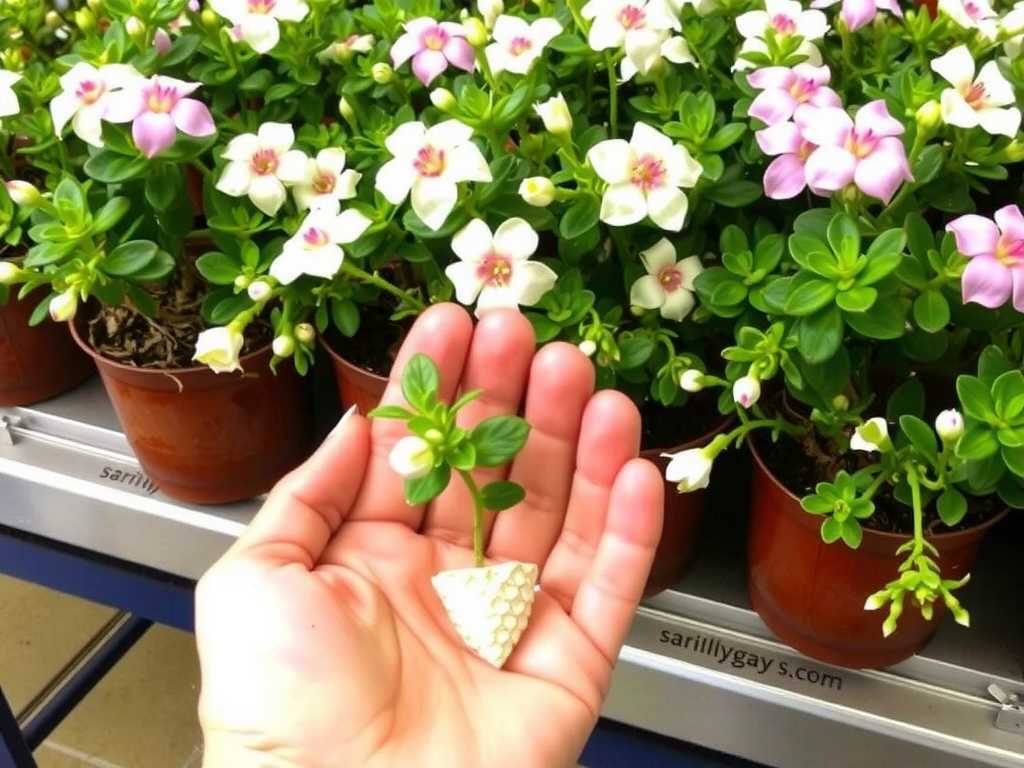
Before diving into care, knowing your specific variety is key. Baby's Breath (Gypsophila) isn't a one-size-fits-all plant. The most common types are Gypsophila paniculata (perennial) and Gypsophila elegans (annual). Perennial varieties come back year after year, forming larger, woody clumps, while annuals complete their life cycle in one season but often provide a spectacular, continuous show of flowers. Recognizing this difference directly impacts your long-term care strategy, from planting depth to winter preparation.
The Foundation: Perfect Planting and Soil
Success with Baby's Breath starts from the ground up. These plants are notoriously fussy about "wet feet" and demand exceptionally well-draining soil. A mix of garden soil, coarse sand, and compost is ideal. As noted by the Royal Horticultural Society, Gypsophila thrives in neutral to slightly alkaline soil. If your soil is heavy clay, consider raising your beds or opting for container gardening.
Choose a location that receives full sun—at least 6 to 8 hours of direct sunlight daily. This is non-negotiable for prolific blooming. When planting, ensure the crown (where the stem meets the roots) sits at soil level, not below, to prevent rot. Space plants about 12 to 24 inches apart to allow for ample air circulation, which is crucial for preventing fungal diseases.
Watering Wisdom: The Golden Rule
Overwatering is the fastest way to kill Baby's Breath. The "soak and dry" method is your best friend. Water deeply at the base of the plant until the soil is moist several inches down, then allow the top 1-2 inches of soil to dry out completely before watering again. This encourages deep, robust root growth. In hot, dry periods, you may water twice a week; in cooler, humid weather, once a week or less may suffice. Always err on the side of underwatering.
Feeding for Floral Abundance
Baby's Breath isn't a heavy feeder, but strategic feeding boosts bloom production. At planting time, incorporate a balanced, slow-release fertilizer into the soil. During the active growing season, a monthly dose of a liquid fertilizer high in potassium (the "bloom booster" nutrient) will support continuous flowering. Avoid high-nitrogen fertilizers, as they promote excessive leafy growth at the expense of flowers.
Pruning and Deadheading for Continuous Blooms
Regular pruning is the secret to a lush, long-lasting display. For perennial Baby's Breath, cut back the stems by about one-third after the first major flowering flush in early summer. This encourages a second, often more vigorous, bloom in late summer or early fall. For annual varieties, consistently deadhead spent flowers by pinching them off. This simple act signals the plant to produce more blooms instead of setting seed, dramatically extending your flowering season.
Overwintering Perennial Varieties
If you’re growing a perennial type like ‘Bristol Fairy’, winter care is essential. After the first hard frost, cut the stems back to about an inch above the ground. Apply a 2-3 inch layer of mulch, such as straw or shredded bark, around the base of the plant. This insulation protects the roots from freeze-thaw cycles. In early spring, gently remove the mulch as new growth appears.
Troubleshooting Common Problems
Even with perfect care, issues can arise. Yellowing leaves often signal overwatering or poor drainage. Immediately check soil moisture and improve drainage if needed. Leggy growth with few flowers indicates insufficient sunlight—relocate the plant if possible. Powdery mildew, a white fungal coating, can occur in humid conditions with poor air flow. Treat with an organic fungicide and ensure proper spacing.

Pest control is generally minimal, but watch for aphids. A strong spray of water or an application of insecticidal soap usually handles these soft-bodied pests effectively. Remember, a healthy, well-sited plant is your best defense against both disease and pests.
Can Baby's Breath be grown successfully indoors? Yes, but it requires bright, direct light—a south-facing window is essential. Use a very well-draining cactus/succulent mix and a pot with ample drainage holes. Water sparingly and provide good air circulation. It’s more challenging than outdoor cultivation but possible with strict attention to light and moisture.
Why is my established perennial Baby's Breath not flowering? The most likely culprits are excess nitrogen fertilizer, insufficient sunlight, or overcrowding. Mature clumps can become too dense. Every 3-4 years, divide perennial clumps in early spring or fall to rejuvenate them and restore vigorous blooming.
How do I harvest and dry Baby's Breath for arrangements? For the best dried flowers, cut stems when about half the tiny flowers on a stem are open, preferably in the morning after dew has dried. Bundle 4-5 stems together and hang them upside down in a dark, warm, and well-ventilated area for 2-3 weeks. This preserves their delicate form and prevents discoloration.
With these focused tips, caring for Baby's Breath transforms from a guessing game into a straightforward routine. By prioritizing sharp drainage, abundant sunshine, and restrained watering, you create the perfect environment for those ethereal blooms to flourish. Whether framing your garden borders or gracing your vases indoors, a thriving Gypsophila plant offers a timeless display of delicate beauty that rewards a little knowledgeable care with seasons of abundance.