bluename
 How to Care for Popular Kalanchoe Varieties? Practical Care Methods
You’ve brought home a beautiful kalanchoe, its cheerful blooms or unique foliage instantly brightening your space. But after a few weeks, you notice the flowers fading, the leaves drooping, or perhaps the vibrant colors starting to dim. This common frustration stems from a simple truth: while often sold as temporary gift plants, kalanchoes are resilient, long-lived succulents with specific needs. Understanding how to care for popular kalanchoe varieties is the key to unlocking their full, lasting potential. This guide provides practical, step-by-step methods to transform your kalanchoe from a fleeting decoration into a thriving, perennial houseplant.
Understanding Your Kalanchoe’s Basic Needs
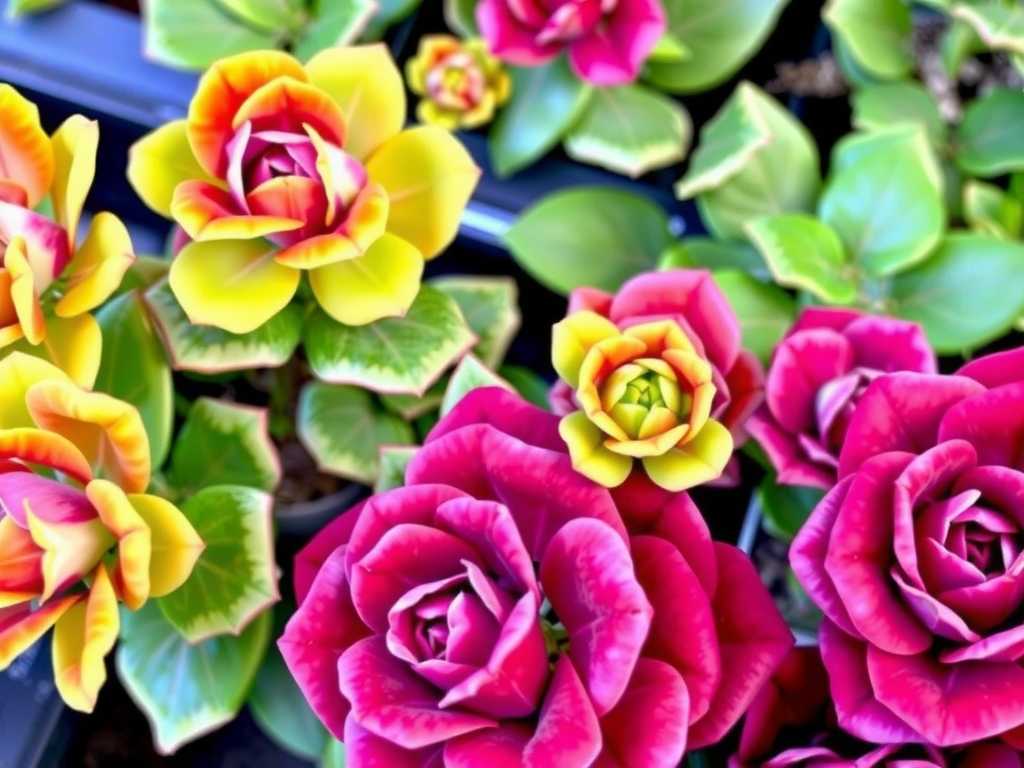
Kalanchoes belong to the Crassulaceae family, sharing a lineage with jade plants and echeverias. Their succulent nature is your first clue to their care. They store water in their thick leaves and stems, making them drought-tolerant but vulnerable to overwatering. Most popular varieties, like the iconic Kalanchoe blossfeldiana (Flaming Katy) or the architectural Kalanchoe luciae (Paddle Plant), thrive in conditions that mimic their native habitats of Madagascar and other arid regions. Success hinges on mastering four pillars: light, water, soil, and temperature.
Light: The Foundation of Health and Blooms
Light is arguably the most critical factor. Kalanchoes crave bright, indirect light. An east or west-facing window is often ideal. Here’s how to get it right:
For Foliage and Growth: Provide at least 6 hours of bright, indirect sunlight daily. This maintains compact growth and prevents the plant from becoming “leggy” as it stretches for light. The vibrant stress colors on varieties like the Paddle Plant or Kalanchoe fedtschenkoi (Lavender Scallops) are often enhanced by ample light.
For Spectacular Blooms (Especially for K. blossfeldiana): To encourage re-blooming, you must understand their photoperiodism. They are “short-day plants,” meaning they initiate flower buds when they experience longer nights (over 14 hours of darkness). For 6-8 weeks in the fall, simulate this by placing your plant in a completely dark closet or covering it with a box from 6 PM to 8 AM daily. Reduce watering slightly during this period. After buds form, return it to normal light. Horticulturist Dr. Linda Chalker-Scott notes, “Manipulating light exposure is a proven, non-chemical method to trigger flowering in many ornamental succulents, including kalanchoe.”
Watering: The Art of “Soak and Dry”
Overwatering is the fastest way to kill a kalanchoe. Their roots are prone to rot in consistently moist soil.
The Golden Rule: Always allow the soil to dry out completely between waterings. Insert your finger into the top 2 inches of soil. If it’s dry, it’s time to water.
The Technique: When watering, do so thoroughly. Pour water evenly over the soil until it runs freely out of the drainage holes. This ensures the entire root ball is hydrated. Then, let all excess water drain away completely. Never let the plant sit in a saucer of water. In winter, when growth slows, you may only need to water every 3-4 weeks.
Soil and Potting: Ensuring Proper Drainage
The right soil mix is your insurance policy against overwatering.
Ideal Mix: Use a commercial cactus or succulent potting mix. For even better drainage, you can create your own blend by mixing 2 parts standard potting soil with 1 part perlite and 1 part coarse sand.

Pot Selection: Always choose a pot with ample drainage holes. Terracotta pots are excellent as they are porous and help wick away excess moisture from the soil. Repot your kalanchoe every 2-3 years in spring, moving up only one pot size (1-2 inches larger in diameter).
Temperature and Environment
Kalanchoes prefer average room temperatures between 60-85°F (15-29°C). They are not frost-hardy and should be kept away from drafts, both cold from windows in winter and hot from heating vents or air conditioners. Average household humidity is perfectly suitable; they do not require misting.
Practical Care for Specific Popular Varieties
While the core principles apply to all, some popular varieties have nuanced preferences.
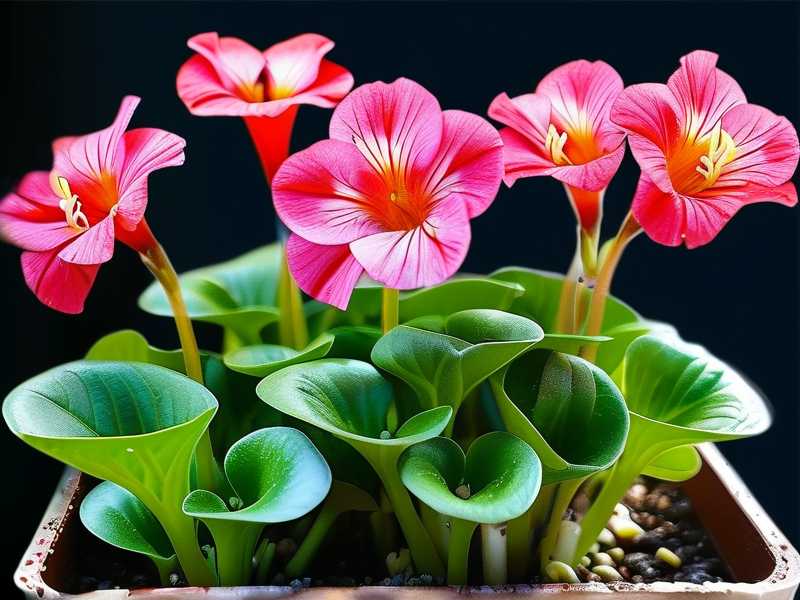
Kalanchoe blossfeldiana (Flaming Katy): The classic blooming kalanchoe. After its initial bloom cycle, deadhead spent flowers. Follow the light manipulation guide above for re-blooming. It tolerates slightly more frequent watering while in active bloom but always check the soil first.
Kalanchoe luciae (Paddle Plant/Flapjacks): Grown for its stunning, paddle-shaped leaves that blush red at the edges with sun exposure. It requires the brightest light you can provide (some direct sun is beneficial) and even less frequent watering than other types. It is monocarpic, meaning the main rosette flowers once and then dies, but it usually produces offsets (pups) beforehand.
Kalanchoe tomentosa (Panda Plant): Recognizable by its fuzzy, silvery leaves with brown tips. The “fur” helps reduce water loss. Be extra careful with watering—water from below by placing the pot in a tray of water for 15 minutes to avoid getting the leaves wet, which can cause rot.
Kalanchoe daigremontiana (Mother of Thousands): This unique variety produces countless plantlets along the edges of its leaves. It is incredibly easy to propagate but can become weedy. It thrives on neglect: bright light and minimal water. Be mindful of its toxicity to pets and children.
Feeding and Propagation
Fertilizing: Feed only during the active growing season (spring and summer). Use a balanced, water-soluble fertilizer diluted to half-strength once a month. Do not fertilize in fall and winter.
Propagation: Kalanchoes are famously easy to propagate. For most varieties, simply take a healthy leaf or stem cutting, let it callous over for 1-3 days, and then place it on top of well-draining soil. Mist the soil lightly every few days until roots develop, then care for it as a mature plant. The Mother of Thousands propagates itself automatically.
Troubleshooting Common Problems
- Leggy Growth: A clear sign of insufficient light. Move to a brighter location and consider pruning back the stems to encourage bushier growth.
- Soft, Mushy Leaves or Black Stems: Symptom of overwatering and root rot. You must act quickly. Remove the plant from its pot, cut away any black, mushy roots and leaves, and repot in fresh, dry succulent mix. Water only after a week.
- Brown, Crispy Leaf Edges: Usually caused by underwatering, too much direct hot sun, or a buildup of fertilizer salts. Adjust your watering schedule, provide filtered light, and flush the soil with water every few months.
- Pests: Watch for mealybugs (cotton-like masses) and aphids. Wipe them off with a cotton swab dipped in rubbing alcohol or use insecticidal soap.
Frequently Asked Questions
My kalanchoe finished blooming and hasn’t flowered again. What should I do? This is the most common issue. Remember, kalanchoes need a period of long nights to set buds. Follow the light manipulation technique outlined in the “Light” section for 6-8 weeks in the fall. Simultaneously, reduce feeding and watering slightly. With this consistent routine, it should produce buds for a winter or spring bloom.
Is kalanchoe safe for my cats and dogs? No. Kalanchoe species contain cardiac glycosides, which are toxic to pets if ingested. The toxin can cause vomiting, diarrhea, and, in severe cases, abnormal heart rhythm. It’s best to keep these plants in a location completely inaccessible to your furry companions. The ASPCA lists kalanchoe as toxic to both cats and dogs.
Why are the leaves on my Panda Plant (Kalanchoe tomentosa) losing their fuzz and turning yellow? This is almost always a sign of overwatering or water sitting on the leaves. The fuzzy leaves are highly susceptible to moisture. Ensure you are using the “soak and dry” method and watering from below to keep the leaves dry. Yellow, soft leaves indicate it’s time to let the soil dry out completely and reassess your watering frequency.
Caring for popular kalanchoe varieties is a rewarding practice that blends attentive observation with a hands-off approach. By providing bright light, infrequent but thorough watering, and well-draining soil, you set the stage for success. Whether you’re coaxing a Flaming Katy into a repeat floral display or nurturing the striking architectural form of a Paddle Plant, these practical methods empower you to enjoy the unique charm of kalanchoes for years to come. Start by assessing your plant’s current spot and potting mix—those two simple steps are often the most impactful changes you can make.