bluename
 How to Care for Grape Hyacinths? Your Complete Cultivation Guide
You've planted those charming clusters of grape hyacinths, envisioning a sea of vibrant blue each spring. But now you're wondering: Why aren't they blooming as profusely? Could they be spreading too wildly? What if you're missing a key step that turns these easy bulbs into a garden superstar? Understanding the complete care cycle is what separates a sporadic display from a breathtaking, year-after-year spectacle.
This guide cuts through the confusion. We'll walk through every stage, from planting to post-bloom care, ensuring your grape hyacinths (Muscari) thrive with minimal effort and maximum impact.
Understanding Grape Hyacinths: More Than Just a Spring Bloom
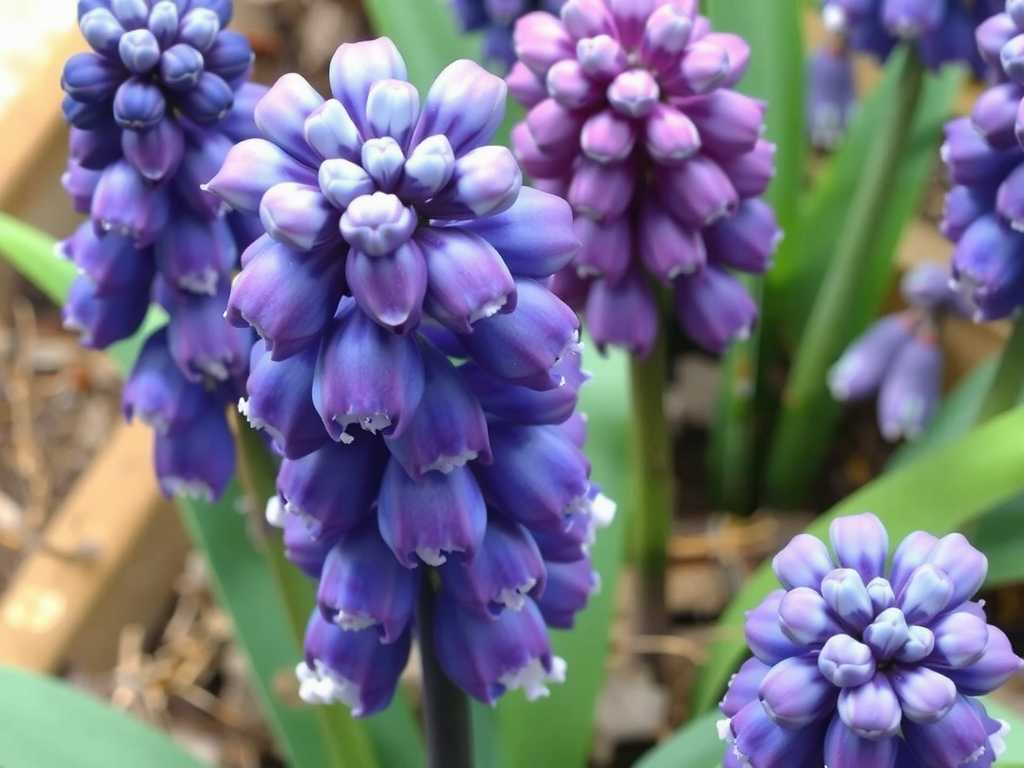
Before we dig into the how, let's understand the what. Grape hyacinths are small, hardy perennial bulbs known for their dense spikes of flowers that resemble upside-down clusters of grapes. They are remarkably resilient and can naturalize—spread and multiply—with ease in the right conditions. According to horticulturist Dr. Linda Chalker-Scott, their ability to thrive with minimal intervention makes them a cornerstone of sustainable, low-maintenance landscaping. Their charm lies not only in their spring show but in their reliable, spreading habit that fills gardens with color.
The Foundation: Planting for Success
Getting the start right is 90% of the battle with these bulbs. Proper planting sets the stage for healthy growth and prolific blooming.
Choosing the Right Bulbs and Location Select firm, plump bulbs free of mold or soft spots. The ideal location offers full sun to partial shade. They will bloom most abundantly with at least 6 hours of direct sunlight. Well-drained soil is absolutely non-negotiable; soggy soil is the fastest way to rot grape hyacinth bulbs. If you have heavy clay, consider raising the planting bed or mixing in generous amounts of compost or grit to improve drainage.
Step-by-Step Planting Instructions Plant grape hyacinth bulbs in the fall, about 6-8 weeks before the ground freezes. This allows them to establish roots.
- Dig holes or a trench to a depth of approximately 3 to 4 inches.
- Place the bulbs with the pointed end facing upwards. If you can't tell, plant them on their side—they'll find their way up.
- Space bulbs about 3 inches apart. For a naturalized look, scatter them and plant where they fall.
- Cover with soil, water thoroughly to settle the earth, and then you can largely forget them until spring.
The Annual Care Cycle: From Sprout to Dormancy
Caring for grape hyacinths is a seasonal dance. Follow these steps to support them through their growth cycle.
Spring: The Showtime As foliage emerges and blooms appear, your care is simple. Water them if the spring is unusually dry. Otherwise, normal rainfall is usually sufficient. Enjoy the blooms! They are excellent as cut flowers for small vases and are largely pest and deer-resistant.
The Critical Post-Bloom Period This is the most important phase for ensuring blooms next year. Do not cut back the foliage immediately after the flowers fade.
- Deadhead: Snip off the spent flower stems to prevent seed formation, which diverts energy from the bulb.
- Let Foliage Die Back Naturally: The green leaves are now photosynthesizing and sending energy down to the bulb for next year's bloom. Allow them to turn yellow and wither completely before removing them. This process typically takes 4-6 weeks. To disguise the fading leaves, plant them among later-emerging perennials.
Summer and Fall: The Quiet Phase Once the foliage has died back, the bulbs are dormant underground. They require no water or care during this time. In early fall, you can apply a light top-dressing of compost or a balanced, slow-release bulb fertilizer to nourish them for the coming spring, but this is optional for established, healthy clumps.
Advanced Care: Propagation and Problem-Solving
As your grape hyacinths mature, you may want to manage their spread or rejuvenate them.
Dividing and Propagating Grape hyacinths multiply by producing offsets (small baby bulbs). Every 3-5 years, clumps can become overcrowded, leading to fewer flowers. In late summer or early fall, dig up the clump, gently separate the bulbs, and replant them immediately at the proper depth and spacing. You'll instantly have more plants to spread around your garden or share with friends.
Troubleshooting Common Issues
- Lack of Blooms: This is usually caused by premature foliage removal, insufficient sunlight, or overcrowded bulbs that need dividing.
- Excessive Spreading: Grape hyacinths can be enthusiastic spreaders. To control them, deadhead faithfully before seeds form, and consider planting them in contained beds or using underground root barriers.
- Foliage in Fall: Some varieties, like Muscari armeniacum, often send up a small cluster of leaves in the fall. This is normal. Just let them be; they will winter over and be joined by the spring foliage.
Design Ideas for Your Garden
Leverage their versatility. Plant them in sweeping drifts under deciduous trees, along pathways, or in rock gardens. They make perfect companions for early spring bloomers like daffodils, tulips, and crocuses. For a stunning contrast, pair the classic blue varieties with bright yellow daffodils. They also thrive in containers, providing early spring interest on patios and balconies.
Do grape hyacinths come back every year? Yes, absolutely. Grape hyacinths are true perennial bulbs. Once planted, they will return and multiply each spring for many years with proper basic care, specifically allowing the foliage to die back naturally.
Can I plant grape hyacinth bulbs in the spring? You plant the bulbs in the fall for spring blooming. If you find bulbs for sale in spring, they are likely leftover from the previous season and may not perform well. For immediate spring color, look for pre-potted plants at your garden center.
Are grape hyacinths invasive? While they are vigorous multipliers and can self-seed, they are not typically classified as invasive in the ecological sense. However, they can spread readily within a garden bed. This "enthusiastic" spreading is easily managed by deadheading and occasional division, turning a potential problem into free plants for other garden areas.
Caring for grape hyacinths is a rewarding practice that pays back in exponential beauty. By planting them correctly in a sunny, well-drained spot and, most crucially, practicing patience as their post-bloom foliage fuels the next year's display, you ensure a low-maintenance yet high-impact garden feature. Their ability to naturalize means your initial effort blossoms into a more magnificent colony with each passing year. Embrace their simple cycle, and let these resilient gems bring a dependable wave of spring color to your landscape.