bluename
 How to Care for 3 Major Dianthus Varieties? Practical Cultivation Tips
You’ve brought home a beautiful dianthus plant, drawn in by its vibrant colors and delicate, fringed petals. But now, the leaves are looking a bit sad, the blooms are sparse, and you’re wondering what you’re doing wrong. This frustration is common among gardeners. The key to success lies in understanding that not all dianthus are the same. Each major variety has its own subtle preferences. This guide will cut through the confusion, offering clear, actionable advice to help your carnations, sweet williams, and cheddar pinks not just survive, but thrive spectacularly in your garden.
Understanding the Dianthus Family
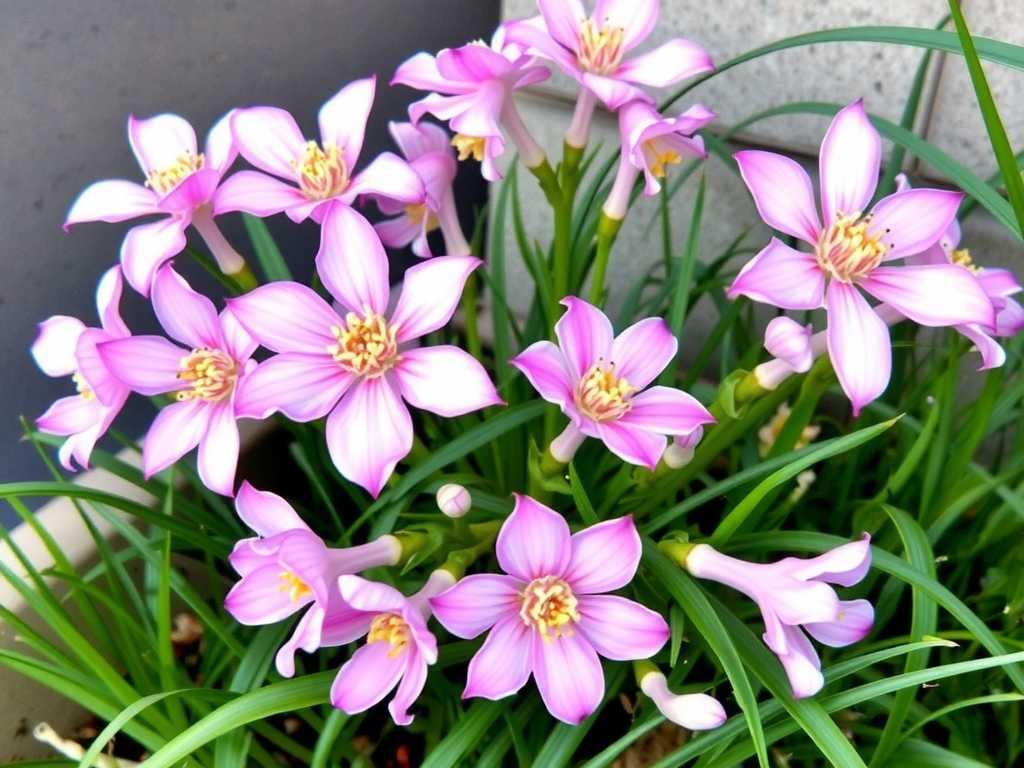
Before diving into specific care, it’s helpful to know the players. Dianthus, part of the Caryophyllaceae family, is a diverse genus. For our purposes, we’ll focus on the three most popular and widely cultivated groups that gardeners commonly seek guidance for. Recognizing which type you have is the first critical step toward proper care.
Carnations (Dianthus caryophyllus): The Classic Cut Flower
Carnations are the aristocrats of the dianthus world, known for their large, fragrant blooms on long, sturdy stems. They are often grown as annuals or short-lived perennials and are a florist’s staple.
Sunlight and Planting Carnations demand full sun—at least six to eight hours of direct sunlight daily. This is non-negotiable for strong stems and prolific flowering. Plant them in well-draining soil; they despise wet feet. As noted by horticulturists at the Royal Horticultural Society, good drainage is paramount to prevent crown rot, a common killer of dianthus. If your soil is heavy clay, amend it with grit or compost or consider raised beds.
Watering and Feeding Water carnations deeply but infrequently, allowing the soil to dry out slightly between waterings. Overwatering is a sure path to failure. Feed them every four to six weeks during the growing season with a balanced, liquid fertilizer. To encourage continuous blooms, deadhead spent flowers promptly by pinching them off just above a set of leaves.
Winter Care In colder climates (below USDA zone 7), treat standard carnations as annuals or provide heavy mulch for winter protection. Some hardy border carnation varieties can tolerate colder temperatures with proper mulching.
Sweet Williams (Dianthus barbatus): The Charming Biennial
Sweet Williams are beloved for their dense, flat-topped clusters of small, often bi-colored flowers. They are typically grown as biennials, meaning they grow foliage the first year and burst into glorious bloom the second.
Getting the Cycle Right This biennial nature is the most crucial point for practical cultivation. Sow seeds in late spring or early summer. The plants will establish themselves quietly in their first year. They will then overwinter (a light mulch helps in very cold areas) and reward you with a spectacular display in late spring of the following year. After flowering, they usually set seed and die.
Ideal Growing Conditions They prefer full sun to partial afternoon shade, especially in hotter regions. Like all dianthus, they require excellent drainage. Sweet Williams are less fussy about soil fertility than carnations and can thrive in average garden soil.
Maintenance and Propagation Deadheading can sometimes encourage a second, smaller flush of flowers. The easiest way to perpetuate Sweet Williams is to allow some flowers to go to seed and self-sow naturally. You can also collect the seeds and sow them where you desire new plants.
Cheddar Pinks (Dianthus gratianopolitanus): The Resilient Ground Cover
Cheddar Pinks are low-growing, mat-forming perennials perfect for rock gardens, borders, or cascading over walls. They are exceptionally hardy and drought-tolerant once established.
Planting for Success Full sun is essential for the tight, blue-green mat of foliage and abundant blooms. They are the most drought-tolerant of the three varieties discussed here. Plant them in gritty, sharply draining soil. A handful of horticultural grit mixed into the planting hole can make all the difference for long-term health.
Minimalist Care Regimen The care for Cheddar Pinks is refreshingly simple. Water them regularly during their first growing season to establish a deep root system. After that, they are remarkably self-sufficient, needing only occasional watering during prolonged droughts. They require little to no fertilizer; in fact, too much can lead to leggy growth and fewer flowers.
The Key to Longevity: Division Every two to three years, in early spring or after flowering, lift and divide the mats. This reinvigorates the plant, prevents the center from dying out, and gives you plenty of new plants to expand your garden. Simply tease apart healthy sections and replant them.
Universal Dianthus Care Principles
While each variety has nuances, some golden rules apply to all dianthus for optimal health and flowering.
- Drainage is King: This cannot be overstated. Soggy soil is the number one enemy. Ensure your planting site or container has free-draining soil.
- Sunlight is Fuel: Most dianthus varieties need a minimum of six hours of direct sun. More sun equals more flowers and sturdier plants.
- Air Circulation is Vital: Avoid overcrowding. Good air flow around the foliage helps prevent fungal diseases like powdery mildew.
- Deadheading Promotes Blooms: Regularly removing spent flowers directs the plant’s energy into producing new buds rather than seeds.
Troubleshooting Common Problems
Yellowing Leaves: This is most often a sign of overwatering or poor drainage. Check your soil moisture and improve drainage immediately. Lack of Flowers: Insufficient sunlight is the usual culprit. Relocate the plant if possible. Excessive nitrogen fertilizer can also promote leafy growth at the expense of blooms. Powdery Mildew: A white, powdery coating on leaves indicates this fungal issue. Improve air circulation, avoid overhead watering, and treat with an appropriate organic fungicide if necessary.
Can I grow dianthus in containers? Absolutely. Container growing is an excellent option, especially for carnations and Cheddar Pinks. It allows you to control the soil mix perfectly. Use a high-quality potting mix with added perlite or grit for drainage. Ensure the pot has adequate drainage holes and water when the top inch of soil feels dry.
Why is my dianthus plant becoming leggy and sparse? Leggy growth typically results from too little light or too much nitrogen fertilizer. Move the plant to a sunnier location and switch to a fertilizer with a higher phosphorus content (the middle number in the N-P-K ratio) to promote blooming over leafy growth. For older Cheddar Pink mats, division is the cure.
Are dianthus plants deer resistant? Yes, this is one of their great advantages for many gardeners. Dianthus are generally considered deer-resistant due to their slightly bitter taste and scent. While no plant is completely deer-proof if food is scarce, dianthus is rarely at the top of their menu.
By tailoring your care to the specific needs of your dianthus variety—whether it’s the sun-loving, well-fed carnation, the biennial-paced Sweet William, or the tough, drought-tolerant Cheddar Pink—you unlock their full potential. Remember the universal pillars of sun, drainage, and air. With these practical cultivation tips in hand, you can move from uncertainty to confidence, transforming your garden into a long-lasting showcase of dianthus color and fragrance. Start by identifying your plant, apply the targeted advice, and get ready for a season of remarkable blooms.