bluename
 How to Care for Classic Hippeastrum Varieties? Simple Care Tips
You've just brought home a stunning classic Hippeastrum bulb, envisioning its dramatic, trumpet-shaped blooms. But now, you're staring at the pot, wondering how to keep this botanical showstopper thriving beyond its initial spectacular display. The fear of a one-time wonder—where the bulb flowers once and then becomes a lackluster foliage plant or, worse, rots away—is a common pain point for many plant enthusiasts. The good news is that with the right knowledge, caring for classic Hippeastrum varieties, also known as amaryllis, is straightforward and rewarding. This guide will walk you through simple, effective care tips to ensure your Hippeastrum reblooms year after year, becoming a cherished part of your home or garden.
Understanding Your Classic Hippeastrum
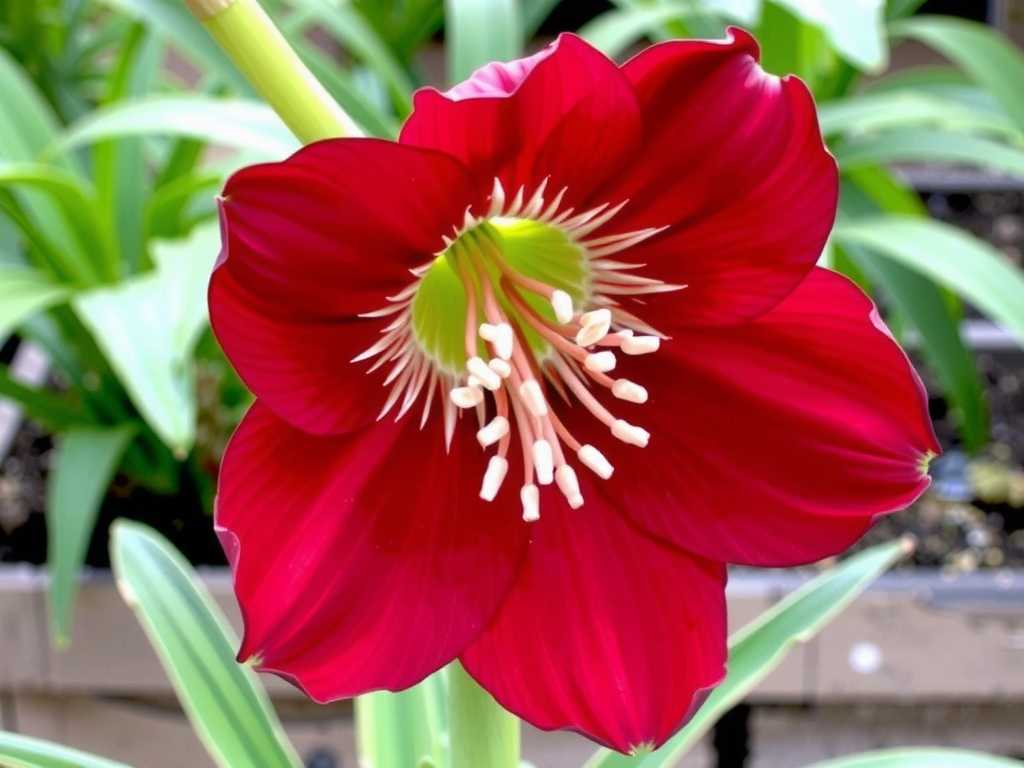
Before diving into care routines, it's helpful to know what makes these plants special. Classic Hippeastrum varieties, such as the iconic red 'Apple Blossom,' pure white 'Mont Blanc,' or vibrant 'Minerva,' are prized for their large, showy flowers that emerge on tall, sturdy stalks. Unlike many plants, their growth cycle is distinct, revolving around periods of active growth, flowering, and necessary dormancy. Recognizing this cycle is the first step to providing optimal care. As noted by horticulturist Dr. Linda Smith, "Treating a Hippeastrum as a perennial with a built-in rest period, rather than a disposable holiday bloom, is the key to long-term success."
Essential Care Tips for Every Stage
Successful Hippeastrum care hinges on tailoring your approach to its natural lifecycle. Follow these stages for a healthy, reblooming plant.
Planting and Initial Growth
Getting your bulb off to a strong start sets the foundation for everything that follows.
- Potting: Choose a pot only 1-2 inches wider than the bulb's diameter. Good drainage is non-negotiable—ensure the pot has ample drainage holes. Use a well-draining, peat-based potting mix.
- Planting Depth: Plant the bulb with the top one-third to one-half above the soil line. This prevents the neck of the bulb from sitting in moist soil and rotting.
- Watering at Start: Water sparingly after potting until you see green growth emerging from the top. Then, increase watering to keep the soil moderately moist, but never soggy.
During Growth and Flowering
This is the rewarding phase where your care efforts become visibly spectacular.
- Light: Provide bright, indirect light. A south or west-facing window is ideal. Ample light encourages a strong, straight flower stalk and rich leaf color.
- Watering: Water regularly when the top inch of soil feels dry. Avoid pouring water directly onto the bulb's neck; water the soil around it.
- Temperature and Feeding: Keep the plant in average room temperatures (65-75°F / 18-24°C). Once the flower bud appears, begin feeding with a balanced, water-soluble fertilizer every 2-4 weeks to support bloom development and future bulb strength.
Post-Bloom Care: The Critical Phase
What you do after the flowers fade determines next year's performance. Don't cut down the entire plant!
- Deadheading: Snip off the spent flower stalk about an inch above the bulb, but leave the foliage completely intact.
- Continue Care: Keep the plant in bright light and continue watering and fertilizing all summer. The leaves are now photosynthesisizing and rebuilding the bulb's energy reserves for next year's bloom. You can even move the pot outdoors to a partially shaded spot after the danger of frost has passed.
Encouraging Dormancy and Reblooming
To trigger a new flowering cycle, your Hippeastrum needs a period of rest.
- Initiating Dormancy: In late summer or early fall, gradually reduce watering and stop fertilizing. As the leaves yellow and wither, cut them back to about 2 inches from the top of the bulb.
- The Rest Period: Place the dormant bulb, still in its pot, in a cool (50-55°F / 10-13°C), dark, and dry place for 8 to 10 weeks. A basement or garage often works well. Do not water it during this rest.
- Restarting the Cycle: After the rest period, bring the pot back into bright light. Remove the top inch of soil and replace it with fresh potting mix. Resume watering lightly until new growth appears, then return to your regular care routine. A new flower stalk should emerge in 6-8 weeks.
Troubleshooting Common Problems
Even with great care, issues can arise. Here’s how to handle them.
- No Flowers: This is usually due to insufficient energy reserves from lack of fertilizer during the growth phase, or a skipped or inadequate dormancy period. Ensure you follow the full summer growth and autumn rest cycle.
- Floppy Stalk or Leaves: Insufficient light is the most common culprit. Move the plant to a brighter location. Staking the flower stalk can provide immediate support.
- Bulb Rot or Pests: Overwatering is the prime cause of rot. Always allow for drainage. For pests like mealybugs or fungus gnats, treat with insecticidal soap or neem oil, and review your watering habits.
My Hippeastrum only grew leaves and no flower stalk this year. What went wrong? This is typically a result of the bulb not storing enough energy. The most likely reasons are: not enough bright light during the leaf-growing phase, insufficient fertilization last season, or the dormancy period being too warm, too short, or interrupted. Ensure you provide a full summer of growth with feeding and a proper, uninterrupted cool rest period to set a bloom.
Can I force my Hippeastrum to bloom for a specific date, like Christmas? Yes, you can time the bloom by controlling the dormancy period. To target a Christmas bloom, initiate the dormancy period around mid-September. After 8-10 weeks of cool, dark rest, bring the pot into warmth and light in mid-to-late November. With proper care, it should flower in approximately 6-8 weeks, right around the holidays.
Should I repot my Hippeastrum bulb every year? Hippeastrums actually prefer to be slightly pot-bound and do not need annual repotting. Repotting every 3-4 years is generally sufficient, or when you see roots completely circling the pot or the bulb has outgrown its container significantly. The best time to repot is right after the dormancy period, just as you are restarting the growth cycle.
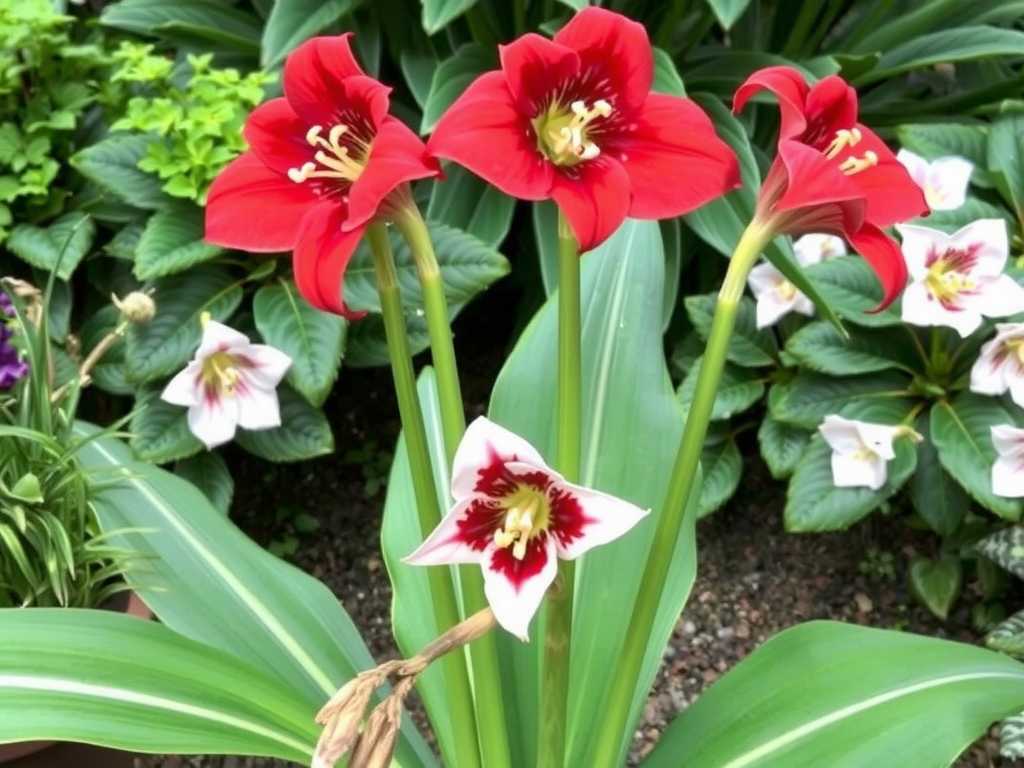
Caring for classic Hippeastrum varieties is a lesson in patience and rhythm, mirroring the plant's own cycle of spectacular display and quiet rest. By providing bright light during active growth, consistent feeding to fuel the bulb, and respecting its crucial dormancy period, you transform a single-season wonder into a reliable perennial performer. Whether it's the deep crimson of 'Red Lion' or the delicate stripes of 'Samba,' these magnificent flowers will return season after season, a testament to the simple, mindful care you provide. Start the cycle today, and look forward to many winters brightened by their unforgettable blooms.