bluename
 How to Care for Common Pansy Varieties? Quick Care Methods
You’ve brought home a vibrant tray of pansies, their cheerful “faces” promising a season of color. But within weeks, the blooms fade, leaves turn yellow, or the plants become leggy and sparse. This common frustration stems from not understanding the specific, yet simple, needs of these popular flowers. Don’t worry—reviving and maintaining a stunning pansy display is easier than you think. This guide provides clear, actionable steps on how to care for common pansy varieties, transforming potential disappointment into a long-lasting garden triumph.
Understanding Your Pansy’s Basic Needs
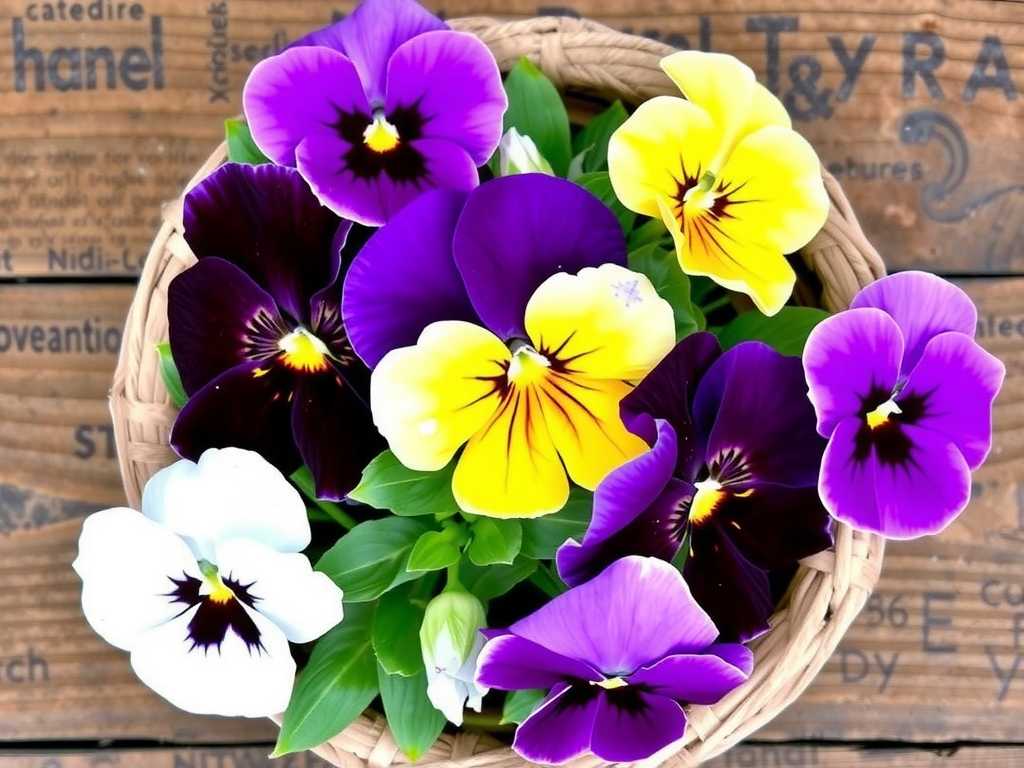
Pansies (Viola × wittrockiana) are cool-season champions, thriving in the mild temperatures of spring and fall. Their care revolves around mimicking these ideal conditions. While specific varieties like the large-flowered ‘Majestic Giants’ or the trailing ‘Cool Wave’ pansies might have slight nuances, their core requirements are remarkably consistent. Success starts with grasping these fundamentals.
Planting for Success: Location and Soil
The journey to healthy pansies begins before you even put them in the ground. Choosing the right spot and preparing the soil sets the stage for everything that follows.
Selecting the Perfect Spot Pansies perform best in locations that receive full sun to partial shade. In cooler spring and fall climates, aim for at least 6 hours of direct sunlight daily for maximum blooms. In warmer regions or during late spring, afternoon shade can protect them from heat stress and prolong flowering. Good air circulation helps prevent fungal diseases, so avoid overcrowding.
Preparing the Soil These flowers demand well-draining soil. Soggy roots are a death sentence. If your garden soil is heavy clay, amend it with compost or peat moss to improve drainage and texture. Pansies prefer a slightly acidic to neutral soil pH, between 5.4 and 6.2. A simple soil test can confirm this. Incorporate a balanced, slow-release fertilizer into the soil at planting time to provide steady nutrition. As horticulturist Dr. Linda Chalker-Scott notes, “Healthy soil biology supports plant resilience, reducing the need for constant intervention.”
The Art of Watering Pansies Correctly
Watering is where most gardeners stumble. Pansies like consistent moisture but abhor wet feet.
Establish a routine of deep, thorough watering that saturates the root zone, then allow the top inch of soil to dry out before watering again. This encourages deep root growth. Early morning watering is ideal, as it allows foliage to dry during the day, minimizing the risk of leaf diseases like powdery mildew. Always water at the soil level, avoiding sprinkling the flowers and leaves directly.
Feeding for Continuous Blooms
To support their prolific flowering, pansies are moderate feeders. A single application of slow-release fertilizer at planting will feed them for several weeks. For sustained performance, follow up with a liquid fertilizer every 3-4 weeks. Use a formula balanced for blooms, such as a 10-10-10 or one slightly higher in phosphorus (the middle number in the N-P-K ratio), which promotes flower production. Over-fertilizing, especially with high-nitrogen formulas, will produce lush leaves at the expense of flowers.
Pruning and Deadheading: The Secret to More Flowers
This is the single most effective practice for keeping your pansies beautiful for months. Deadheading, or removing spent blooms, prevents the plant from going to seed. When a pansy sets seed, it signals the end of its lifecycle. By snipping off the faded flower and its small stem back to a set of leaves, you redirect the plant’s energy into producing more blooms instead of seeds.
Every few weeks, give your pansies a light “haircut.” Using clean shears, trim back the entire plant by about one-third if it becomes leggy or overgrown. This encourages fresh, bushy growth and a new flush of flowers. It’s a quick method that instantly revitalizes their appearance.

Managing Common Pansy Pests and Diseases
Even with perfect care, pests may appear. Vigilance and early action are key.
Aphids and Spider Mites These tiny sap-suckers can weaken plants. A strong blast of water from a hose often dislodges them. For persistent problems, insecticidal soap or neem oil are effective, organic solutions.
Slugs and Snails These pests feast on pansy leaves, especially in damp, shady conditions. Diatomaceous earth, copper tape, or organic bait can protect your plants.
Preventing Fungal Issues Crown rot, root rot, and powdery mildew are fostered by excess moisture and poor air circulation. Ensuring proper soil drainage, watering at the base, and providing adequate spacing are your best defenses. Remove any affected plant parts immediately.
Seasonal Care Considerations
Spring and Fall Care These are peak seasons. Maintain consistent watering and feeding, and stay on top of deadheading. Enjoy the show!
Overwintering Pansies In many climates, pansies planted in fall can survive winter and re-bloom in early spring. Their foliage may wilt in freezing temperatures, but the roots often remain alive. Apply a 2-3 inch layer of mulch after the ground freezes to protect roots from temperature swings. According to a University of Vermont extension report, well-mulched pansies show significantly higher survival rates and earlier spring blooms.
Summer Care in Hot Climates As temperatures soar, most pansies will fade. You can prolong their life by moving container pansies to a shaded, cool location and keeping them consistently watered. However, it’s often best to treat them as annuals and replace them with heat-loving plants for summer.
Why are the leaves on my pansies turning yellow? Yellow leaves are most commonly caused by overwatering, leading to root stress. Check that your soil drains well and allow it to dry slightly between waterings. It can also signal a nutrient deficiency, often iron, in overly wet or alkaline soils.
Can I grow pansies in pots? Absolutely! Pansies are excellent container plants. Ensure the pot has drainage holes and use a high-quality potting mix. Container plants dry out faster, so you may need to water daily during warm, sunny weather. A liquid fertilizer every two weeks will keep potted pansies thriving.
How long do pansies typically bloom? With proper care, including regular deadheading and feeding, common pansy varieties can bloom continuously for 6-8 months in ideal cool-season conditions. They often bloom from early spring through early summer, and again from fall until a hard freeze, with some varieties even showing color during mild winter spells.
Mastering the care of common pansy varieties is about embracing their love for cool weather, consistent moisture, and a little regular grooming. By providing the right foundation of light and soil, watering wisely, feeding periodically, and committing to the simple practice of deadheading, you unlock their full potential. These resilient flowers will reward your minimal but mindful efforts with a spectacular, long-lasting display of color that defies the seasons. Whether edging a garden path or brightening a patio pot, healthy pansies are a testament to the joy of thoughtful gardening.