bluename
 How to Care for Different Daylily Varieties? Cultivation Guide for Beginners
You've fallen in love with the vibrant, trumpet-shaped blooms of daylilies and brought home a few different varieties. But now you're wondering: do they all need the same care? The short answer is no. While daylilies are famously tough, understanding the subtle differences in caring for various types can be the key between a garden with sporadic flowers and a breathtaking, long-lasting display. This guide will walk you through exactly how to care for different daylily varieties, turning beginners into confident cultivators.
Understanding Your Daylily's Basic Needs
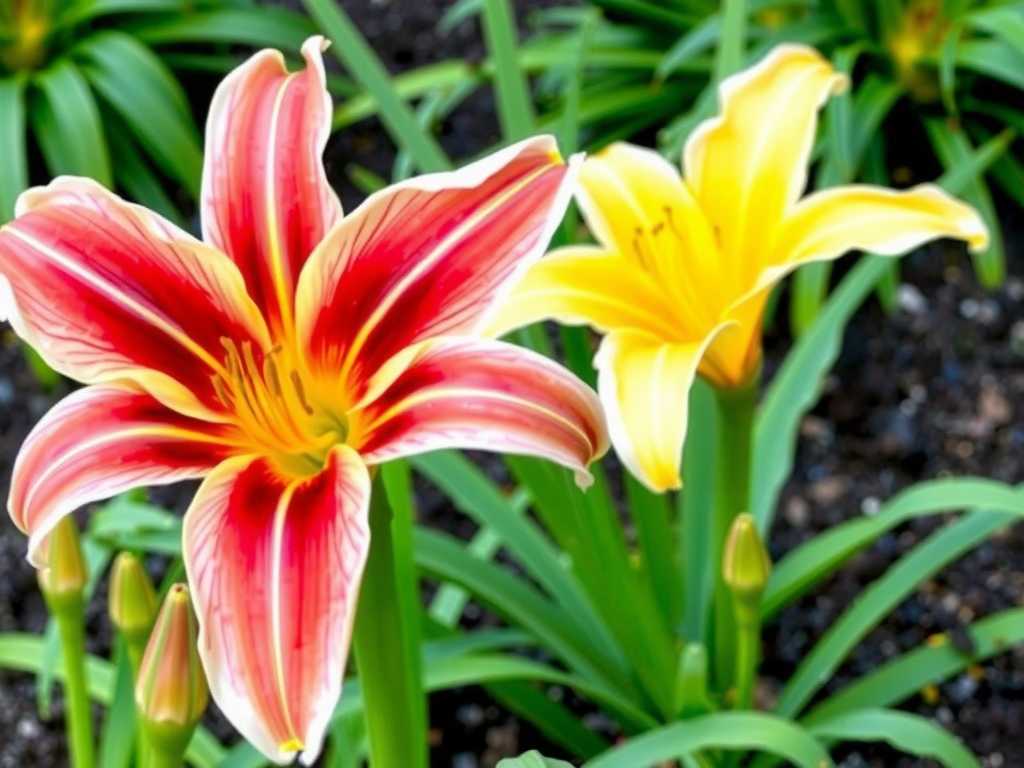
All daylilies (Hemerocallis) share a common foundation of needs. Think of this as the non-negotiable baseline for success. They are sun worshippers, requiring at least six hours of direct sunlight daily for optimal blooming. Well-drained soil is absolutely critical; soggy roots will lead to rot. While drought-tolerant once established, consistent moisture during the spring growing season and bloom period produces the best flowers.
As the American Daylily Society notes, these perennials are adaptable to a wide range of soil pH levels, but a slightly acidic to neutral soil (6.0-7.0) is ideal. A balanced, slow-release fertilizer applied in early spring as growth emerges will fuel their performance.
Decoding the Different Daylily Types and Their Specific Care
This is where your care strategy gets fine-tuned. Daylilies are categorized by bloom time, foliage habit, and flower form, each with slight care implications.
1. Caring for Early, Midseason, and Late Blooming Varieties
The bloom period dictates your garden's timeline and some maintenance tasks.
- Early Season Bloomers: These kick off the show. Focus on ensuring they are well-watered as the season starts. A spring fertilizer application is crucial for them. After blooming, you can deadhead to tidy the plant, but the main energy focus shifts to root and foliage development for next year.
- Midseason Bloomers: The workhorses of the summer garden. They benefit most from consistent summer moisture. Watch for aphids or thrips as the heat builds. Regular deadheading of spent blooms (called "scapes") encourages potential rebloom in some types and keeps the plant looking fresh.
- Late Season Bloomers: These varieties build up to their late summer or fall display. Ensure they are not stressed by late-summer drought. Hold off on dividing or major disturbance in the fall; let them store energy. They are excellent partners for autumn-blooming ornamental grasses.
2. Caring for Dormant, Semi-Evergreen, and Evergreen Varieties
This classification, based on winter foliage behavior, is critical for understanding cold-hardiness and winter care.
- Dormant Daylilies: Their foliage dies back completely after frost. This is the hardiest type, suited for the coldest climates. Care is simple: in late fall or early spring, you can clean up the brown foliage. They require a period of winter chill to bloom well the next year.
- Semi-Evergreen Daylilies: A versatile group. In mild climates, they may retain some foliage; in cold areas, they act like dormant types. In zone 5 or colder, apply a light mulch after the ground freezes to protect the crown from freeze-thaw cycles that can heave plants out of the soil.
- Evergreen Daylilies: They retain green foliage year-round in warm climates. In colder zones (typically above zone 7), they are less hardy. The key is winter drainage. Wet, frozen crowns are deadly. Plant them in raised beds or slopes for perfect drainage. Avoid heavy mulches that trap moisture against the crown.
3. Specialized Care for Reblooming and Extended Bloom Varieties
'Stella d'Oro' made rebloomers famous. These varieties flower, rest briefly, and flower again.
- The Nutrition Demand: They are heavy feeders. In addition to a spring feeding, a light application of a balanced fertilizer or compost tea after the first major bloom flush can support the next round of flowers.
- The Moisture Imperative: Never let them dry out completely. Consistent summer watering is non-negotiable to sustain the energy needed for repeated blooming.
- Vigilant Deadheading: Prompt removal of old scapes is more important here than with single-bloom types. It signals the plant to produce new ones.
Planting and Ongoing Maintenance for All Varieties
Proper planting sets the stage. Dig a hole wide enough to spread the roots out, with the crown (where roots meet leaves) no more than one inch below the soil surface. Water deeply after planting.
Watering Wisdom: Deep, infrequent watering is better than frequent sprinkles. It encourages deep root growth. Drip irrigation or soaker hoses are ideal, keeping foliage dry and preventing disease.
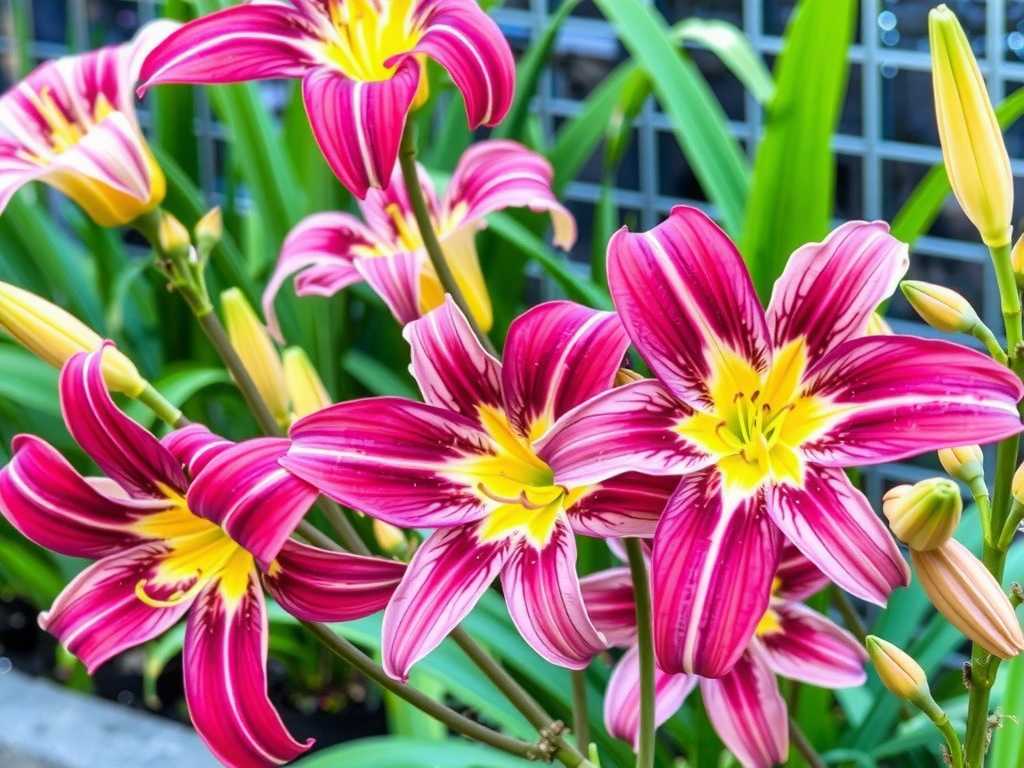
Dividing for Health: When clumps become overcrowded (usually every 3-5 years), flowering decreases. The best time to divide is immediately after flowering for early bloomers, or in early spring as new growth emerges. Replant only the vigorous outer fans.
Pest and Disease Watch: Daylilies are trouble-free but not immune. Aphids can be hosed off. Spider mites appear in hot, dry weather; increase humidity with watering. Rust, a fungal disease, appears as orange pustules on leaves. Choose resistant varieties, ensure good air circulation, and remove affected foliage immediately. Never compost diseased material.
My daylilies have lots of leaves but few flowers. What's wrong? This is almost always a sunlight issue. Less than six hours of direct sun results in lush foliage at the expense of blooms. Other causes can be overcrowded clumps needing division, or an excess of nitrogen fertilizer, which promotes green growth over flowers.
When is the absolute best time to plant daylilies? While container-grown plants can be planted anytime the soil is workable, the ideal windows are early spring or early fall. This allows the plant to establish a strong root system before the stresses of summer heat or winter cold.
Are daylilies really deer-resistant? Yes, they are typically considered deer-resistant, though in times of extreme hunger, deer may sample them. They are not a preferred browse. However, rabbits may nibble on new spring growth; a low ring of fencing can deter them.
Caring for different daylily varieties is a rewarding practice that deepens your gardening knowledge. By moving beyond one-size-fits-all care and paying attention to their bloom cycle, winter habits, and reblooming potential, you unlock their full performance. Start with the basics of sun and drainage, then tailor your watering, feeding, and winter protection to your specific plants. With this nuanced approach, your garden will be filled with the resilient, joyful blooms of healthy daylilies for years to come.