bluename
 How to Care for Popular Lily of the Valley Varieties? Core Care Tips
You’ve fallen in love with the enchanting, bell-shaped blooms and sweet fragrance of lily of the valley, only to find your plants struggling with yellowing leaves, sparse flowers, or simply not thriving as expected. This common frustration often stems from not tailoring care to the specific needs of different varieties. While they share a family, popular cultivars can have subtle but important differences in their preferences. Mastering the core care tips for these varieties is the key to transforming your patch into a lush, fragrant spring spectacle.
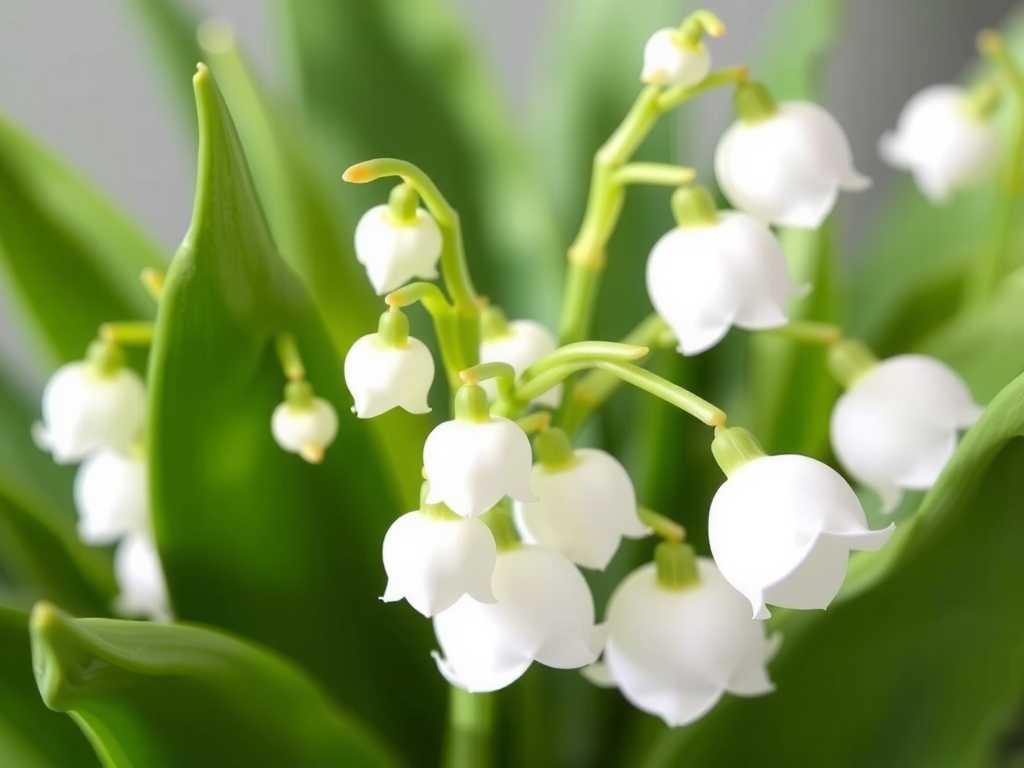
Understanding the key varieties and their nuances is the first step toward successful cultivation. The classic Convallaria majalis is the wild type, known for its vigorous spread and timeless charm. For larger, more show-stopping blooms, Convallaria majalis ‘Fortin’s Giant’ is a top choice, producing flowers nearly twice the size of the species. If you’re drawn to unique foliage, the variegated Convallaria majalis ‘Albostriata’ offers creamy white stripes along its leaves, adding visual interest even when not in bloom. Another charming option is the pink-flowered Convallaria majalis ‘Rosea’, which provides a soft, romantic twist on the traditional white. Recognizing which variety you have directly informs your care strategy, especially regarding space, light, and nutrient needs.
Creating the Ideal Growing Environment
The foundation of healthy lily of the valley is replicating its natural woodland habitat. These plants are not sun-loving perennials; they thrive in conditions that mimic a forest floor.
Light and Shade Preferences Most lily of the valley varieties, including the classic C. majalis and ‘Fortin’s Giant’, perform best in partial to full shade. They can tolerate morning sun but require protection from harsh afternoon rays, which can scorch their delicate leaves and dry out the soil too quickly. The variegated ‘Albostriata’, however, benefits from slightly brighter dappled shade. The variegation in the leaves means there is less chlorophyll, so providing a bit more filtered light helps maintain its growth vigor without burning the pale stripes. As noted by horticulturist Dr. Eleanor Vance, “Shade is not merely an absence of light for these plants; it’s a specific quality of cool, filtered brightness that keeps the rhizomes moist and the foliage fresh.”
Soil Requirements for Optimal Health Soil is arguably the most critical factor. All varieties demand consistently moist, well-draining soil that is rich in organic matter. A loamy soil amended with generous amounts of leaf mold, compost, or well-rotted manure is ideal. The pH should be slightly acidic to neutral, ranging from 6.0 to 7.0. Heavy clay soils that stay waterlogged will cause the rhizomes (the underground stems) to rot, while sandy soils that dry out too fast will stunt growth. Before planting, work organic matter 8-10 inches deep into the bed. This creates a spongy, nutrient-rich environment that retains moisture while allowing excess water to drain, perfectly catering to the core care needs of your lily of the valley plants.
Planting and Propagation Techniques
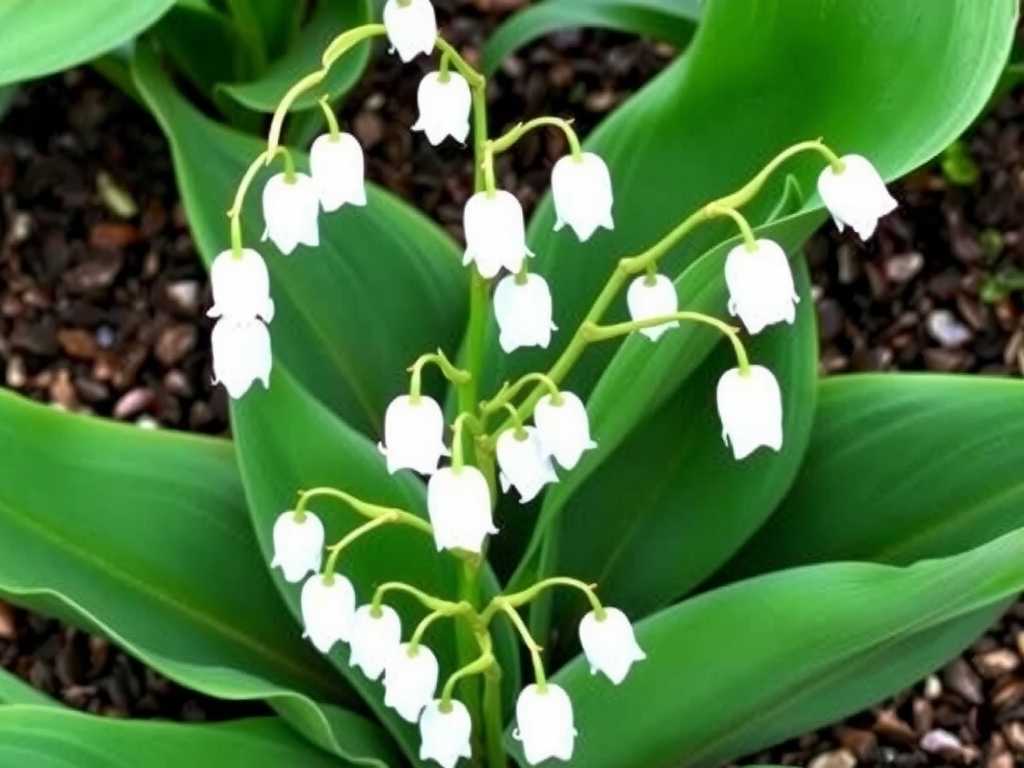
When and How to Plant The optimal time to plant lily of the valley rhizomes (often called “pips”) is in the fall, allowing them to establish roots before winter dormancy. Early spring planting is also successful as soon as the ground is workable. Soak the pips in lukewarm water for an hour before planting to rehydrate them. Plant them about 1-2 inches deep and 4-6 inches apart, with the pointed bud (or “eye”) facing upward. Water thoroughly after planting. Remember that ‘Fortin’s Giant’ may require slightly more spacing due to its larger size.
Controlling Spread and Division Lily of the valley is a vigorous spreader via its underground rhizomes. The species C. majalis is particularly enthusiastic. To control its spread and maintain vigor, division is recommended every 3-5 years in the fall. Carefully dig up a clump, separate the rhizomes into sections, each with at least one bud, and replant immediately. This is also the perfect way to propagate your plants and share them with fellow gardeners. For varieties like ‘Albostriata’, division helps ensure the variegation remains stable, as overcrowded clumps can sometimes revert.
Essential Ongoing Care and Maintenance
Watering and Moisture Management Consistent moisture is non-negotiable, especially in the spring growing season and during dry spells. Water deeply once a week if rainfall is insufficient, aiming to keep the soil evenly moist but not soggy. A 2-3 inch layer of organic mulch, such as shredded bark or leaf litter, is invaluable. It conserves soil moisture, suppresses weeds, and gradually breaks down to feed the soil—exactly mimicking the natural leaf litter of a forest. This practice is a core care tip that significantly reduces plant stress.
Feeding and Fertilization These plants are not heavy feeders, but they appreciate an annual nutrient boost. Apply a balanced, slow-release granular fertilizer or a top-dressing of compost around the plants in early spring as new growth emerges. Avoid high-nitrogen fertilizers, which can promote excessive leafy growth at the expense of flowers. The energy stored in the rhizomes is what primarily fuels the spectacular bloom display.
Seasonal Care and Problem Solving
Post-Blooming and Foliage Care After the fragrant blooms fade, allow the foliage to remain. The leaves are photosynthesis factories, gathering energy to store in the rhizomes for next year’s growth. Only remove the leaves after they have turned completely yellow and died back naturally, usually by mid-summer. For the variegated varieties, the foliage provides ornamental value long after flowering.
Managing Pests and Diseases Lily of the valley is notably resistant to pests and deer. However, in poorly draining soils, root rot can be an issue—prevent it by ensuring proper soil structure. Leaf spot, which shows as brown spots on foliage, can occur in overly wet conditions. Improve air circulation by thinning overcrowded clumps and avoid overhead watering. Slugs and snails may occasionally nibble on leaves; use organic deterrents like diatomaceous earth if needed.
Preparing for Winter Dormancy These plants are extremely cold-hardy (USDA zones 2-7) and require a period of winter chill to bloom reliably. No special winter protection is needed once they are established. Simply apply a fresh layer of mulch after the ground freezes to prevent frost heaving of the rhizomes. They will reliably emerge again each spring, often spreading a bit more each year.
Frequently Asked Questions
Can lily of the valley grow in full sun? While it might survive, full sun is generally not recommended for most varieties. The intense heat and light will likely cause leaf scorch, require constant watering to prevent wilting, and may reduce flowering. Dappled or partial shade provides the cool, moist root run they crave for optimal performance.
Is lily of the valley invasive? It is a fast-spreading ground cover due to its rhizomatous growth. In ideal conditions, it can form dense colonies and outcompete more delicate plants. It’s best planted where it can roam freely or in areas contained by sidewalks, driveways, or deep edging. Regular division helps manage its spread within garden beds.
Why are my lily of the valley plants not flowering? The most common reasons are insufficient winter chill, too much deep shade (especially for varieties like ‘Fortin’s Giant’ that need some filtered light for best blooms), overcrowded clumps that need dividing, or foliage removed too early the previous season. Ensuring proper site conditions and post-bloom care usually resolves this issue.
With the right understanding of their preferences, caring for lily of the valley becomes a straightforward and rewarding process. By providing the essential combination of dappled shade, rich and moist soil, and mindful seasonal maintenance, you support the plant’s natural lifecycle. Whether you’re cultivating the towering blooms of ‘Fortin’s Giant’ or the striped elegance of ‘Albostriata’, these core principles adapt to help each variety express its full potential. In return, you’ll be gifted with a resilient and beautifully fragrant spring display that returns with greater abundance year after year.