bluename
 How to Care for Mainstream Columbine Varieties? Practical Cultivation Methods
You’ve fallen in love with the delicate, nodding blooms and intricate spurs of columbine, only to find your plants struggling or failing to thrive. This common frustration often stems from not understanding their specific needs. Caring for mainstream columbine varieties doesn’t have to be a guessing game. With the right knowledge on planting, watering, and seasonal care, you can enjoy their ethereal beauty year after year. This guide provides clear, actionable steps to ensure your columbines flourish, transforming potential gardening headaches into a showcase of vibrant color and graceful form.
Understanding Columbine’s Basic Needs
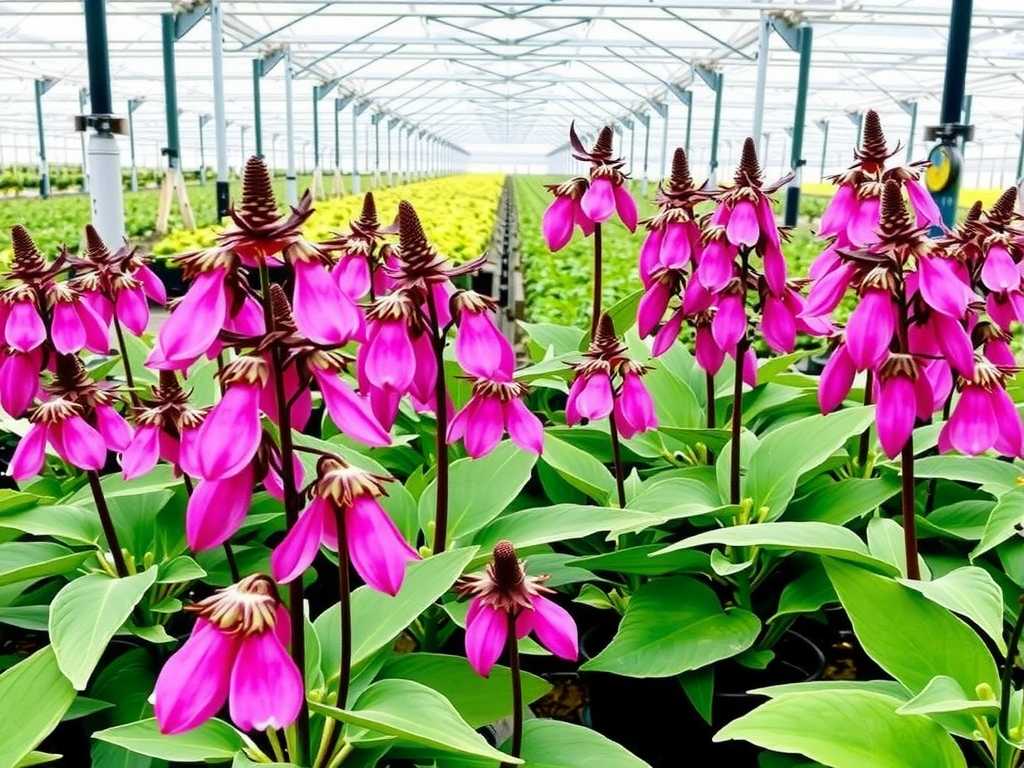
Columbines, belonging to the genus Aquilegia, are generally hardy perennials, but they have particular preferences. Most mainstream varieties thrive in USDA hardiness zones 3 through 9. They perform best in conditions that mimic their native woodland edges and rocky slopes.
The single most important factor for success is well-draining soil. Soggy roots are a death sentence. As noted by horticulturist Dr. Linda Chalker-Scott, “Many perennial failures, especially with plants like columbine, are due to waterlogged soils rather than a lack of water.” Aim for a rich, loamy soil amended with compost. While they appreciate moisture, the soil should never stay wet.
When it comes to light, think “dappled.” Most columbines prefer partial shade, especially in hotter climates. Morning sun with afternoon shade is ideal. In cooler northern zones, they can tolerate more full sun, provided the soil moisture is consistent. This balance prevents leaf scorch and helps the flowers retain their vivid colors longer.
Planting for Success: Location and Technique
Getting your columbines off to a strong start is crucial. Begin by choosing a suitable site that meets their light and drainage requirements. Prepare the planting area by working in several inches of well-rotted compost or leaf mold to improve soil structure and fertility.
Dig a hole twice as wide as the root ball but no deeper. Gently place the plant in the hole, ensuring the crown (where the stems meet the roots) is level with the soil surface. Planting too deep can lead to rot. Backfill with the amended soil, firm it gently, and water thoroughly to settle the roots. Space plants about 12 to 18 inches apart to allow for good air circulation, which helps prevent foliar diseases.
For container planting, select a pot with excellent drainage holes and use a high-quality potting mix. Container-grown columbines will need more frequent watering than those in the ground.
Watering and Feeding: The Balanced Approach
Establishing a proper watering routine is key. Water newly planted columbines deeply and regularly during their first growing season to develop a strong root system. Once established, they are moderately drought-tolerant but will produce more and better blooms with consistent moisture. The goal is to keep the soil evenly moist but not waterlogged. A good rule is to water when the top inch of soil feels dry.
Feeding should be light. Apply a balanced, slow-release granular fertilizer or a layer of compost around the base of the plants in early spring as new growth emerges. Over-fertilizing, especially with high-nitrogen formulas, can lead to excessive leafy growth at the expense of flowers. A light side-dressing of compost in mid-summer can provide a gentle boost.
Seasonal Care and Maintenance
Spring is the time for cleanup and feeding. Gently remove any winter mulch and dead foliage. Watch for new growth emerging from the crown. This is also the prime time to divide overcrowded clumps every 3-4 years, which rejuvenates the plants.
Summer care focuses on deadheading. Regularly removing spent flowers not only keeps the plant looking tidy but also prevents it from putting energy into seed production. This can encourage a second, smaller flush of blooms. Leave some flowers to develop seed pods at the end of the season if you want the plants to self-sow.
In autumn, after the foliage has been killed by frost, you can cut the stems back to the ground. Applying a light layer of mulch (like shredded leaves) after the ground freezes can help protect the crown in very cold winters, though mature plants are quite hardy.
Managing Pests and Diseases Proactively
Columbines are relatively trouble-free, but a few issues can arise. The most notorious pest is the columbine leaf miner, whose larvae create meandering, white trails inside the leaves. While unsightly, this damage is rarely fatal. The best control is to simply remove and destroy affected leaves after blooming ends.
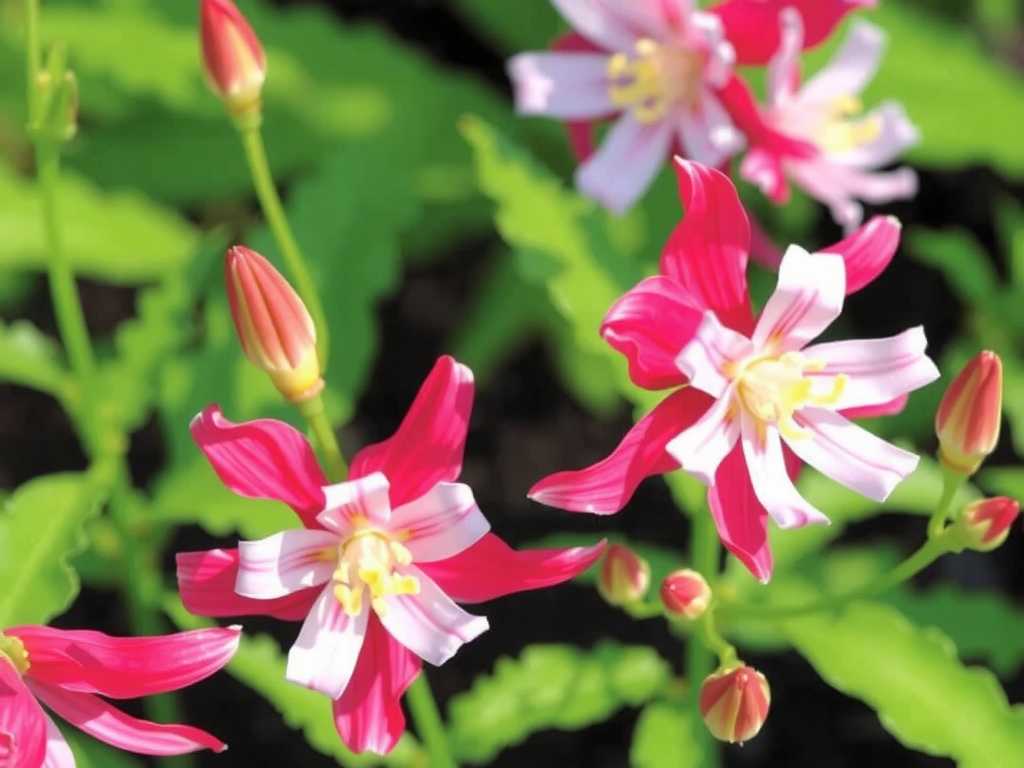
Aphids may cluster on new growth. A strong spray of water from a hose is often enough to dislodge them. For diseases, ensure good spacing and air circulation to prevent powdery mildew. Crown rot can occur in poorly drained soils, reinforcing the critical importance of proper site selection and drainage.
Propagation: Seeds and Division
You can expand your columbine collection through seeds or division. To save seeds, collect the dry, brown seed pods in late summer. Seeds can be sown directly in the garden in fall for natural stratification (exposure to cold), or started indoors after a period of refrigeration. Remember, hybrid varieties may not come true from seed.
Division is simpler for ensuring identical plants. In early spring, carefully dig up a mature clump and use a sharp knife or spade to divide it into sections, each with several healthy buds and roots. Replant immediately and water well.
What is the best way to deal with leaf miner damage on my columbines? Focus on plant health over eradication. The leaf miner’s damage is primarily cosmetic. Keep your plants healthy with proper watering and feeding. After the flowering period ends, you can cut back the affected foliage; the plant will often produce a fresh batch of clean leaves. Avoid chemical controls, as they harm the beneficial insects that help keep other pests in check.
Can columbines be grown successfully in full sun? It depends on your climate. In cooler northern zones (zones 3-6), many mainstream columbine varieties can tolerate and even thrive in full sun if the soil is kept consistently moist. In warmer regions (zones 7-9), afternoon shade is essential to prevent heat stress, scorched leaves, and shortened bloom time. When in doubt, a location with morning sun and afternoon shade is the safest bet for vibrant, long-lasting plants.
How long do columbine plants typically live, and should I replant them? Columbines are generally short-lived perennials, often thriving for 3-4 years in a single spot. However, they are prolific self-seeders. By allowing some flowers to go to seed, you will likely have a constant, renewing colony of plants in your garden. To actively prolong the life of a specific plant, divide it every 2-3 years in early spring. This rejuvenates the original plant and provides you with new ones to spread around or share.
Caring for mainstream columbine varieties successfully hinges on respecting their natural preferences: well-drained soil, balanced light, and consistent but not excessive moisture. By following these practical steps—from thoughtful planting to seasonal maintenance—you create an environment where these elegant perennials can truly shine. Their resilience and willingness to self-sow mean that a little initial effort is rewarded with seasons of effortless, enchanting beauty in your garden borders, containers, or woodland settings. Embrace their graceful charm, and you’ll find they become a beloved, low-fuss highlight of your spring and early summer garden.