bluename
 How to Care for Classic Delphinium Varieties? Simple Care Guide
You’ve fallen in love with the majestic spires of classic delphiniums, their towering blooms in shades of blue, purple, and white evoking cottage garden dreams. But soon after planting, you might face drooping stems, yellowing leaves, or a complete failure to bloom again. The heartbreak is real. These perennial beauties have a reputation for being fussy, but with the right knowledge, their care is straightforward and deeply rewarding. This simple care guide will walk you through every step to ensure your classic delphiniums not only survive but thrive season after season.
Understanding Your Classic Delphinium
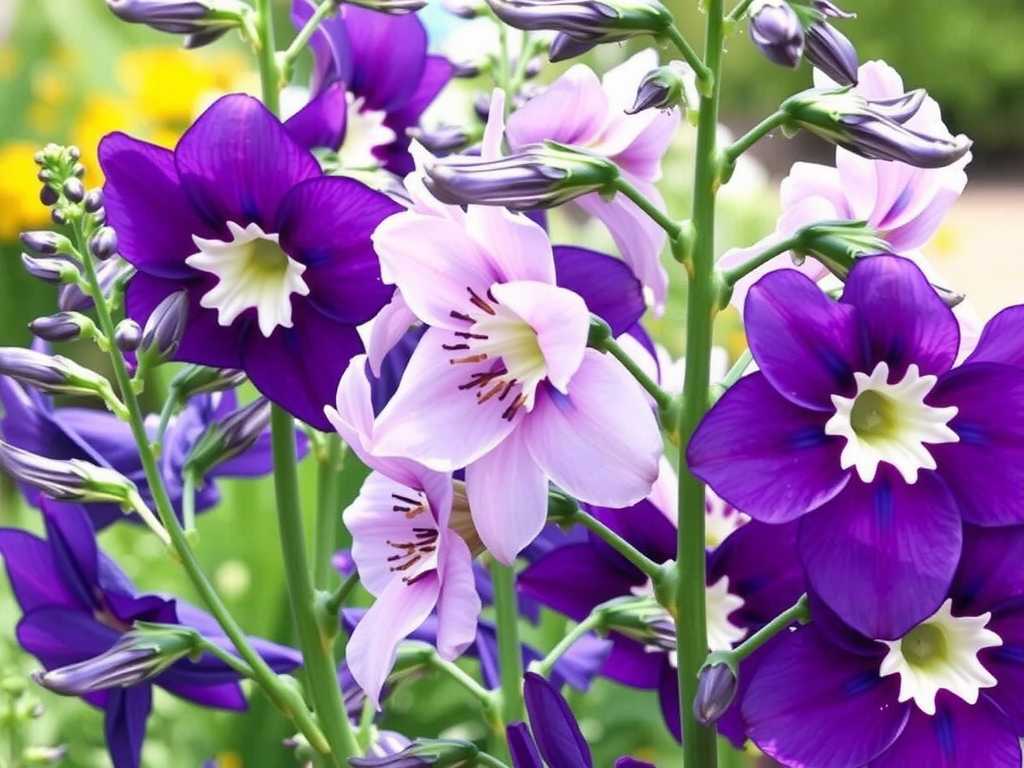
Before diving into care, it’s helpful to know what makes these plants tick. Classic delphinium varieties, often referred to as Delphinium elatum hybrids, are true herbaceous perennials. They send up their spectacular flower spikes in early to mid-summer, often rewarding you with a second, smaller flush if spent blooms are promptly removed. Their primary needs revolve around cool climates, rich soil, consistent moisture, and sturdy support. Getting these fundamentals right is 90% of the battle won.
Planting for Success: Location is Everything
The single most important decision you will make is where to plant your delphiniums. This sets the stage for everything that follows.
Choose a site that receives full sun, meaning at least 6 to 8 hours of direct sunlight daily. In very hot southern climates, some afternoon shade can prevent scorching. Sunlight is non-negotiable for strong stems and vibrant blooms.
The soil must be exceptionally well-draining yet moisture-retentive—a seeming contradiction that is achieved with organic matter. Delphiniums abhor “wet feet,” which quickly lead to crown and root rot. At the same time, they are heavy feeders and drinkers. Amend your planting hole generously with well-rotted compost or aged manure. Aim for a neutral to slightly alkaline soil pH; if your soil is acidic, a sprinkle of garden lime at planting time can be beneficial.
When planting, set the crown (where the stems meet the roots) at or just slightly above soil level to prevent rot. Space plants 18 to 24 inches apart to ensure good air circulation.
The Pillars of Delphinium Care: Water, Food, and Support
Once established, a consistent care routine will keep your plants vigorous.
Watering Wisely Delphiniums need deep, regular watering. The goal is to keep the soil consistently moist but never soggy. A general rule is to provide about 1 inch of water per week, more during hot, dry spells. Always water at the base of the plant, avoiding wetting the foliage, as this can encourage powdery mildew and other fungal diseases. Drip irrigation or a soaker hose is ideal. Mulching with a 2-inch layer of organic mulch (like shredded bark or compost) helps retain soil moisture, suppress weeds, and keep roots cool.
Feeding for Fabulous Flowers These are hungry plants. Feed them twice during the main growing season: first in early spring as new growth emerges, and again just as the flower spikes begin to form. Use a balanced, slow-release granular fertilizer or a liquid fertilizer high in potassium (the “K” in N-P-K) to promote strong stems and prolific blooming. As noted by horticulturist and author Tracy DiSabato-Aust, “Consistent fertility is key for perennial performance, especially for heavy bloomers like delphiniums.”
Staking is Not Optional Those breathtaking 4-to-7-foot flower spikes are top-heavy and vulnerable to wind and rain. Staking must be done early, when plants are about 12 inches tall. Use sturdy, discreet stakes or grow-through supports like peony rings. Gently tie the main stem and any large side shoots to the support with soft twine or plant ties, adding more ties as the plant grows. This proactive step prevents heartbreak later.
Seasonal Maintenance for Long-Term Health
Caring for delphiniums changes with the seasons.
Spring: As new shoots appear, thin them to 5-7 of the strongest stems per plant. This directs energy to producing larger, sturdier spikes rather than many weak ones. Apply your first feeding and set up stakes.
Summer: Deadhead spent flower spikes by cutting them back to a side shoot or to the base of the plant. This often encourages a second, smaller bloom in late summer or early fall. Continue to water diligently.
Fall: After the first hard frost, cut the entire plant back to about 2 inches above the soil line. Clear away all foliage and debris from around the crown to discourage pests and diseases from overwintering. In very cold climates (USDA zones below 3), a light mulch applied after the ground freezes can help prevent frost heaving.
Winter: For potted delphiniums, provide winter protection or move containers to an unheated garage. In the ground, aside from the late mulch, they require little care.
Troubleshooting Common Problems
Even with great care, issues can arise. Here’s how to handle them.
Pests: Slugs and snails adore young delphinium shoots. Use organic deterrents like iron phosphate bait or beer traps. Aphids can cluster on buds and stems; a strong spray of water or insecticidal soap usually controls them.
Diseases: Powdery mildew (a white coating on leaves) and crown rot are the main concerns. Prevent mildew by ensuring good air circulation, watering at the base, and choosing resistant varieties. Crown rot is fatal and is prevented almost solely by perfect drainage. If a plant collapses at the base, remove it immediately to prevent spread.
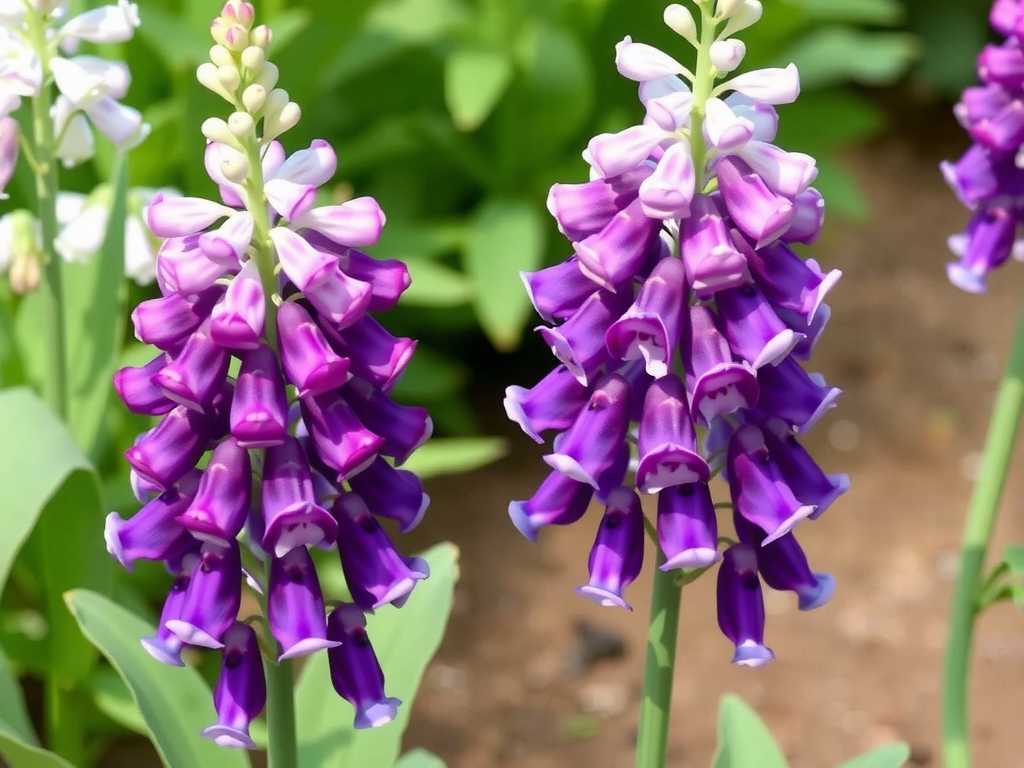
Weak Stems or Poor Blooming: This is almost always due to insufficient sunlight, overcrowding, or lack of nutrients. Reassess your plant’s location and feeding schedule.
Propagation and Popular Classic Varieties
You can propagate your favorite plants by division in early spring every 3-4 years. Carefully dig up the clump, divide it into sections each with several healthy shoots and roots, and replant immediately.
Some beloved classic delphinium series to look for include the Pacific Giants (known for their towering spikes and large florets), the Magic Fountains series (a more compact plant ideal for smaller spaces), and the New Millennium series from New Zealand, renowned for its vigor, disease resistance, and stunning color range.
My delphiniums bloomed once but never came back. What happened? This is often due to crown rot from poor drainage or heavy winter wetness. Classic delphiniums are short-lived perennials (3-5 years is common), but they can be prolonged with perfect drainage and annual division. In very hot, humid climates, they may struggle and act as biennials.
Can I grow delphiniums in containers? Absolutely. Choose a deep, large pot (at least 12-18 inches in diameter and depth) with excellent drainage holes. Use a high-quality potting mix and be even more vigilant about watering and feeding, as containers dry out and deplete nutrients faster. Staking is especially crucial for container-grown plants.
What’s the secret to getting true blue delphinium flowers? Blue flower color is influenced by soil pH. A more alkaline soil (pH above 7.0) helps stabilize and intensify the blue pigments. For the most vibrant blues, test your soil and amend with garden lime if needed to raise the pH slightly. The variety ‘Blue Dawn’ or the New Millennium ‘Blue Lace’ are famous for their exceptional blue hues.
Growing classic delphiniums is a commitment, but the payoff is unparalleled in the summer garden. By focusing on their core needs of sun, rich soil, consistent moisture, and sturdy support, you transform them from finicky divas into reliable performers. Start with a well-chosen spot, maintain a simple seasonal routine, and you’ll be rewarded with those breathtaking, sky-reaching spires that make all the effort worthwhile. There’s simply no substitute for their majestic presence.