bluename
 How to Care for Common Lupin Varieties? Quick Getting Started Tips
You've fallen in love with the majestic spires of lupins, their vibrant colors lighting up cottage gardens. But now your seedlings are struggling, leaves are yellowing, or those promised flower spikes never appear. The dream of a lupin-filled border seems to fade with each wilted plant. Don't worry—this is a common hurdle for gardeners. The truth is, while lupins are stunning, they have specific needs that, once understood, make them surprisingly resilient and rewarding perennials. This guide will walk you through the essential, straightforward steps for caring for common lupin varieties, turning your gardening frustration into flourishing success.
Understanding Your Lupin's Basic Needs

Lupins are not overly fussy, but they demand a few non-negotiable conditions to thrive. Think of them as sun-loving, well-drained soil enthusiasts that dislike having wet feet.
First and foremost, location is everything. Lupins require full sun to produce their best and most robust flower spikes. Aim for a spot that receives at least 6 to 8 hours of direct sunlight daily. While they can tolerate very light partial shade, insufficient light leads to weak, leggy growth and poor flowering.
Soil preparation is the most critical step for long-term lupin care. These plants excel in moderately fertile, slightly acidic to neutral soil. Most importantly, the soil must be very well-draining. Heavy, clay-based soils that stay waterlogged will quickly cause root rot. As horticulturist and author Sarah Raven notes, "Lupins are deep-rooted plants that resent disturbance. Getting the soil right at the planting stage is 90% of the battle won."
If your soil is heavy clay, you must amend it. Dig in plenty of coarse grit or horticultural sand and well-rotted organic matter like compost or leaf mold. This improves drainage while providing a gentle nutrient boost. For very alkaline soils, mixing in some peat-free ericaceous compost can help achieve a more suitable pH.
Planting for Success
The best time to plant pot-grown common lupin varieties is in spring or early autumn. This allows the plant to establish its deep taproot before the extremes of summer heat or winter frost.
Dig a hole twice as wide as the root ball but no deeper. Gently tease out the roots if they are pot-bound to encourage them to spread outward. Place the plant in the hole, ensuring the crown (where the stem meets the roots) is level with the soil surface. Backfill with your improved soil, firm gently, and water thoroughly. Space plants about 18 to 24 inches apart to ensure good air circulation, which helps prevent mildew.
Watering and Feeding: The Balanced Approach
Your watering strategy should change with the plant's life stage. After planting, keep the soil consistently moist (but not soggy) for the first few weeks to support establishment. Once established, lupins are relatively drought-tolerant thanks to their deep roots. The key rule is deep, infrequent watering. Soak the soil thoroughly, then allow the top inch to dry out before watering again. Avoid frequent light sprinklings, which encourage shallow roots and increase susceptibility to stress.
Overhead watering in the evening can leave foliage damp overnight, promoting fungal diseases like powdery mildew. Water at the base of the plant in the morning whenever possible.
Feeding is simple. Lupins are legumes, which means they have a symbiotic relationship with bacteria in their roots that allows them to fix nitrogen from the air. Therefore, they generally do not need high-nitrogen fertilizers. In fact, too much nitrogen can lead to excessive leafy growth at the expense of flowers. A light application of a balanced, general-purpose fertilizer or a top-dressing of compost in early spring is sufficient. A potassium-rich feed (like tomato fertilizer) as flower spikes begin to form can support stronger blooming.
Pruning and Deadheading for Continuous Blooms
Pruning is straightforward but highly effective. The primary technique is deadheading. Once a flower spike has faded and turned brown, cut it back to the nearest set of healthy leaves. This prevents the plant from putting energy into seed production and often encourages a second, smaller flush of blooms later in the summer.
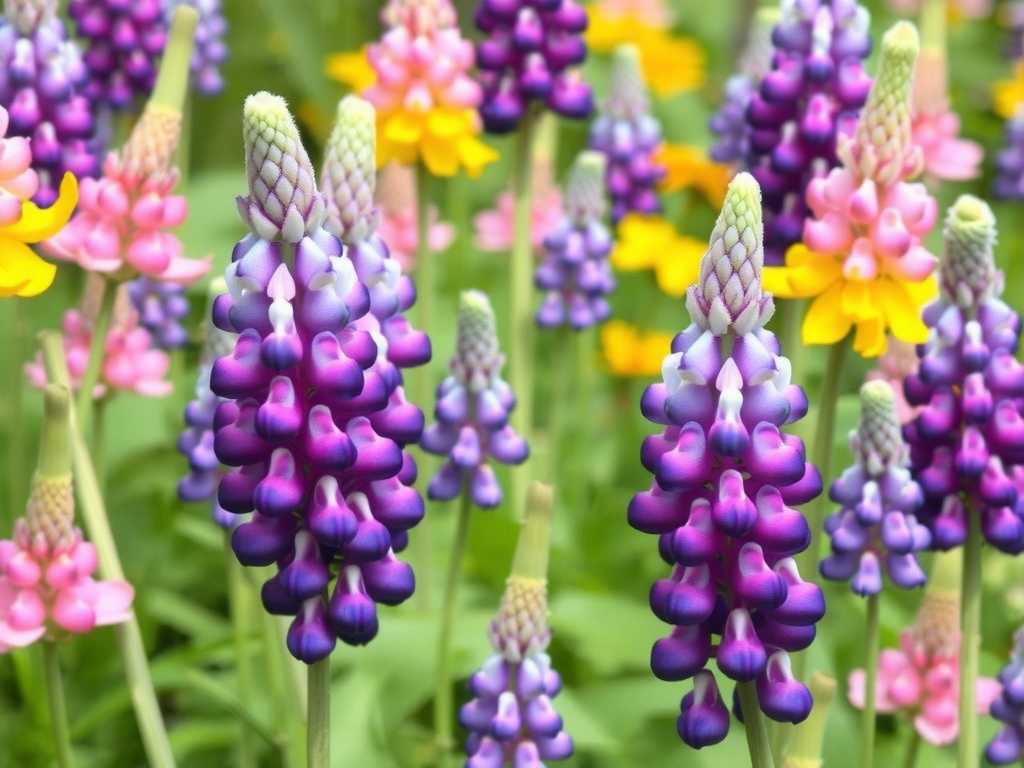
At the end of the flowering season, in late autumn, you can cut the entire plant back to the ground. Remove all spent foliage and dispose of it (do not compost it if you've had pest or disease issues). This keeps the garden tidy and helps prevent pests and diseases from overwintering in the old leaves. New growth will emerge from the crown the following spring.
Managing Common Pests and Problems
Even with great care, lupins can face a few challenges. Early identification and action are key.
Aphids, particularly the Lupin Aphid, are the most common pest. They cluster on new shoots and the backs of flower spikes, sucking sap and weakening the plant. The best defense is a strong spray of water from a hose to dislodge them. For severe infestations, use an insecticidal soap. Encouraging ladybugs and lacewings into your garden provides natural, long-term control.
Slugs and snails adore the tender new spring growth. Protect young plants with organic slug pellets (containing ferric phosphate), copper tape, or beer traps.
The main fungal disease is powdery mildew, which appears as a white, powdery coating on leaves. It's often caused by dry roots combined with humid air or poor air circulation. Ensure consistent watering, good spacing, and remove affected leaves promptly. A report from the Royal Horticultural Society confirms that improving air flow is one of the most effective cultural controls for this issue.
Propagating Your Lupins
You can expand your lupin collection through two main methods: collecting seeds or taking basal cuttings.
Seeds saved from your plants will not come true to the parent, often reverting to a dominant blue or purple color. For specific varieties, it's better to buy fresh seeds. Sow seeds in early spring, nicking the hard seed coat or soaking them in water for 24 hours before sowing to improve germination.
To guarantee a clone of your favorite plant, take basal cuttings in spring. Use a sharp knife to cut a new shoot, about 3-4 inches long, from the base of the plant. Remove the lower leaves, dip the cut end in rooting hormone, and insert it into a pot filled with a mix of compost and perlite. Keep it moist and in a sheltered spot until roots develop, then pot on.
Why are the leaves on my lupin turning yellow? Yellowing leaves, especially lower ones, can have a few causes. The most common is waterlogged soil, which suffocates roots. Check your drainage. It can also be a sign of nitrogen deficiency, which is ironic for a nitrogen-fixing plant but can occur in very poor soils. A top dressing of compost usually helps. Finally, it's natural for older leaves to yellow and die back as the plant focuses energy on new growth.
Can lupins be grown successfully in containers? Yes, but choose a deep, large pot to accommodate the long taproot—at least 12 inches deep and wide. Use a well-draining potting mix with some added grit. Container-grown lupins will need more frequent watering and feeding than those in the ground, as nutrients leach out faster. A slow-release fertilizer mixed into the compost at planting time is a good idea.
How long do lupin plants live, and should I replace them? Common perennial lupin varieties are often at their best for 2-3 years. After this, they can become woody, flower less prolifically, and may die back. To maintain a vibrant display, plan to take basal cuttings from your plants in their second year to create vigorous new replacements. This cycle ensures you always have healthy, flowering lupins in your garden.
With their specific but simple requirements met—plenty of sun, excellent drainage, and a little seasonal care—common lupin varieties will reward you with years of spectacular, vertical color. They become resilient fixtures in the border, supporting pollinators and bringing that quintessential cottage garden charm. Start with the soil, be mindful of water, and don't hesitate to deadhead, and you'll find these stately plants are far less daunting than they first appear.