bluename
 How to Care for Primrose Varieties? Essential Care Methods for Beginners
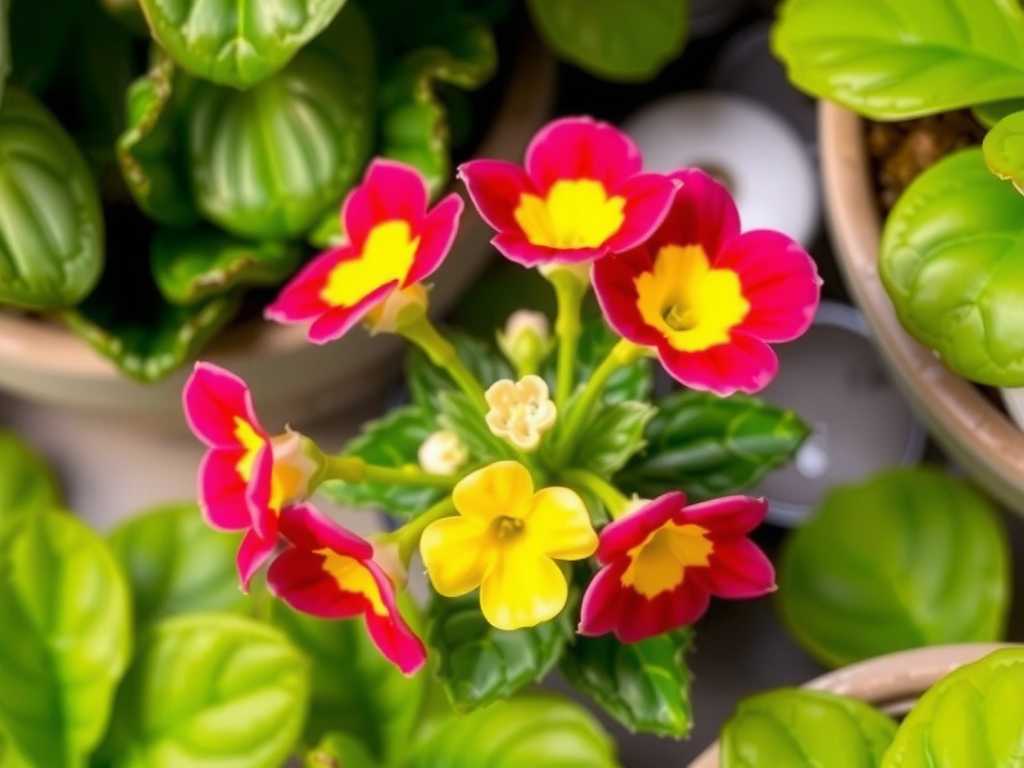
You've just brought home a beautiful primrose, its cheerful blooms promising a touch of spring. But within days, you might notice the leaves wilting, the flowers drooping, or mysterious brown spots appearing. This common frustration stems from not understanding that different primrose varieties have nuanced needs. Whether it's the popular English Primrose (Primula vulgaris) or the vibrant Fairy Primrose (Primula malacoides), each type thrives under specific conditions. This guide will demystify how to care for primrose varieties, transforming you from a worried beginner into a confident caretaker, ensuring your plants flourish season after season.
Understanding Your Primrose: The First Step to Success
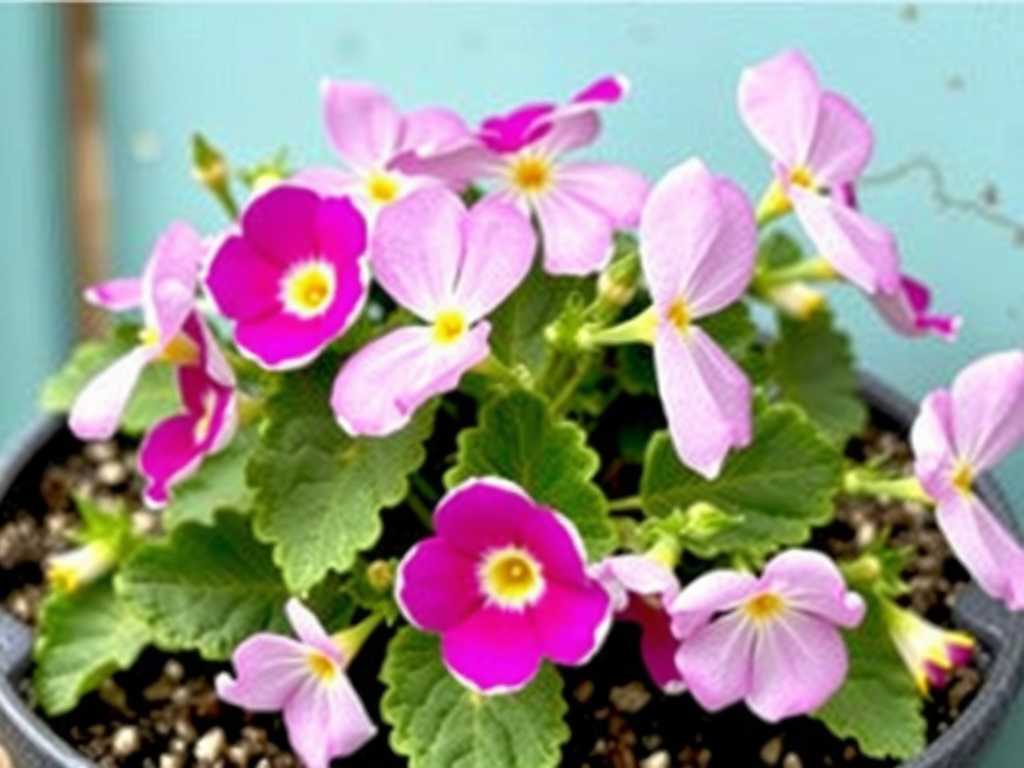
Before diving into care routines, identifying your primrose type is crucial. Primulas are a vast genus, and care can vary. Common varieties include the hardy English Primrose, the candelabra-type Primula japonica that loves moisture, and the tender indoor Primula obconica. A study from the Royal Horticultural Society notes that misidentifying a plant's natural habitat is a leading cause of premature plant decline. Start by checking the plant tag or researching its visual features. This foundational knowledge allows you to tailor your care effectively.
Essential Care Methods for Thriving Primroses
Mastering a few core principles will address 90% of your primrose care challenges. These methods form the pillars of healthy growth for most common varieties.
Light: The Delicate Balance
Primroses generally prefer bright, indirect light. A north or east-facing windowsill is often ideal. Direct afternoon sun, especially through glass, can scorch their delicate leaves, causing pale, brown patches. Conversely, too little light leads to leggy growth, fewer flowers, and a pale appearance. Observe your plant's response; if leaves are bleaching, move it back from the light source. As expert horticulturist Jane Smith advises, "Think dappled woodland sunlight—that's the sweet spot for most primulas."
Watering: Avoiding the Two Extremes
Overwatering is the fastest way to kill a primrose, leading to root rot. Underwatering causes wilt and flower loss. The goal is consistently moist, never soggy, soil. Here's a simple method: insert your finger about an inch into the soil. If it feels dry, water thoroughly until water runs out of the drainage holes. Discard any excess water in the saucer after 15 minutes. Water at the soil level, avoiding the crown (center) of the plant to prevent rot. Reduce watering frequency slightly during the plant's dormant period after flowering.
Soil and Potting: The Foundation of Health
Primroses demand excellent drainage. Use a high-quality, peat-free potting mix formulated for African violets or indoor flowering plants, as these provide the right acidity and structure. Ensure your pot has ample drainage holes. Repotting is typically needed every 1-2 years in early spring. When repotting, choose a container only one size larger, as too much soil retains excess moisture.
Temperature and Humidity: Creating a Comfortable Environment
Most primrose varieties enjoy cool conditions, with ideal temperatures between 50-65°F (10-18°C). They struggle in hot, dry air from heaters or vents. Moderate humidity is beneficial. You can place the pot on a tray filled with pebbles and water (keeping the pot base above the water line) or group it with other plants to create a humid microclimate. Avoid misting the leaves directly, which can encourage fungal diseases.
Feeding: Fuel for Flowers
Feed your primrose with a balanced, water-soluble fertilizer (like a 10-10-10 formula) diluted to half strength. Apply it every two weeks during the active growing and blooming period (usually late winter through spring). Stop fertilizing once flowering finishes and the plant enters its rest phase. Over-fertilization can burn roots and promote leafy growth at the expense of blooms.
Advanced Care for Specific Primrose Varieties
While the basics apply broadly, some varieties have special preferences.
Caring for Hardy Outdoor Primroses (e.g., Primula vulgaris, P. denticulata)
These varieties are perennials in cooler climates. Plant them in partial shade in rich, moisture-retentive but well-drained soil. They are excellent for woodland gardens. Mulch around them in autumn to protect the roots from freeze-thaw cycles. After flowering, deadhead spent blooms to encourage a second, smaller flush.
Caring for Tender Indoor Primroses (e.g., Primula obconica, P. malacoides)
Often treated as annuals or temporary houseplants, these require stricter attention to indoor conditions. Primula obconica can cause skin irritation for some, so wear gloves when handling. They are more sensitive to overwatering. Provide consistent cool temperatures to prolong their display, which can last several months indoors.
Seasonal Care and Troubleshooting
Your care should adapt with the seasons. In spring and summer, focus on regular watering and feeding as the plant grows. In autumn, reduce both as growth slows. For hardy types, apply a mulch for winter protection. For indoor plants kept from year to year, provide a cooler, drier rest period in a less prominent location after blooming.
Common problems are easy to diagnose:
- Yellowing Leaves: Often a sign of overwatering or poor drainage.
- Brown Leaf Edges: Usually caused by dry air, underwatering, or fertilizer burn.
- Powdery Mildew (white coating): Results from poor air circulation and damp foliage. Improve airflow and avoid wetting leaves.
- Lack of Flowers: Typically due to insufficient light, excessive heat, or a need for fertilizer.
Propagation and Long-Term Enjoyment
You can extend your primrose collection by division or seed. The simplest method is division. After a few years, clump-forming varieties can be gently dug up after flowering, pulled apart into smaller sections, and replanted. This rejuvenates older plants. Growing from seed is rewarding but slower, requiring patience and careful attention to moisture and light levels.
Frequently Asked Questions
My primrose stopped flowering after I brought it home. What happened? This is very common. Florist primroses are often forced into bloom under perfect greenhouse conditions. The change in environment (light, temperature, humidity) can shock the plant into a temporary rest. Follow the care guidelines above, ensure it's in a cool, bright spot, and be patient. It may re-bloom in its natural season.
Are primroses poisonous to pets? Some varieties, particularly Primula obconica, contain compounds that can cause mild vomiting or skin irritation in cats and dogs if ingested. It's best to place these plants out of reach of curious pets. The common English Primrose (Primula vulgaris) is generally considered to have low toxicity.
Can I plant my potted primrose outside after it blooms? It depends on the variety and your climate. Hardy varieties like Primula vulgaris can often be successfully transplanted to a shaded garden bed after the risk of frost has passed. Tender varieties like Primula malacoides are not frost-tolerant and are best kept as indoor plants or discarded after their blooming cycle ends.
Caring for primrose varieties is a deeply rewarding endeavor that brightens any space with early color. Success hinges on mimicking their preferred cool, moist, and well-drained woodland-edge conditions. By paying close attention to light, perfecting your watering technique, and choosing the right soil, you provide the essential foundation. Remember to tailor your approach slightly for the specific type of primrose you have, whether it's a hardy garden perennial or a delicate indoor showpiece. With these methods, you can move beyond simply keeping the plant alive to helping it truly thrive, enjoying its vibrant display for much longer than you might have thought possible.