bluename
 How to Care for Different Coreopsis Varieties? Practical Cultivation Guide
You’ve fallen in love with the cheerful, daisy-like blooms of coreopsis, but now your plants are looking leggy, flowering poorly, or simply not thriving. The frustration is real. Many gardeners don’t realize that the secret to a spectacular coreopsis display lies in understanding the subtle but important differences between its many varieties. A one-size-fits-all approach often leads to disappointment. This practical guide will demystify the care for different coreopsis types, transforming your uncertainty into a season-long explosion of vibrant color.
Understanding Your Coreopsis: The Key to Success
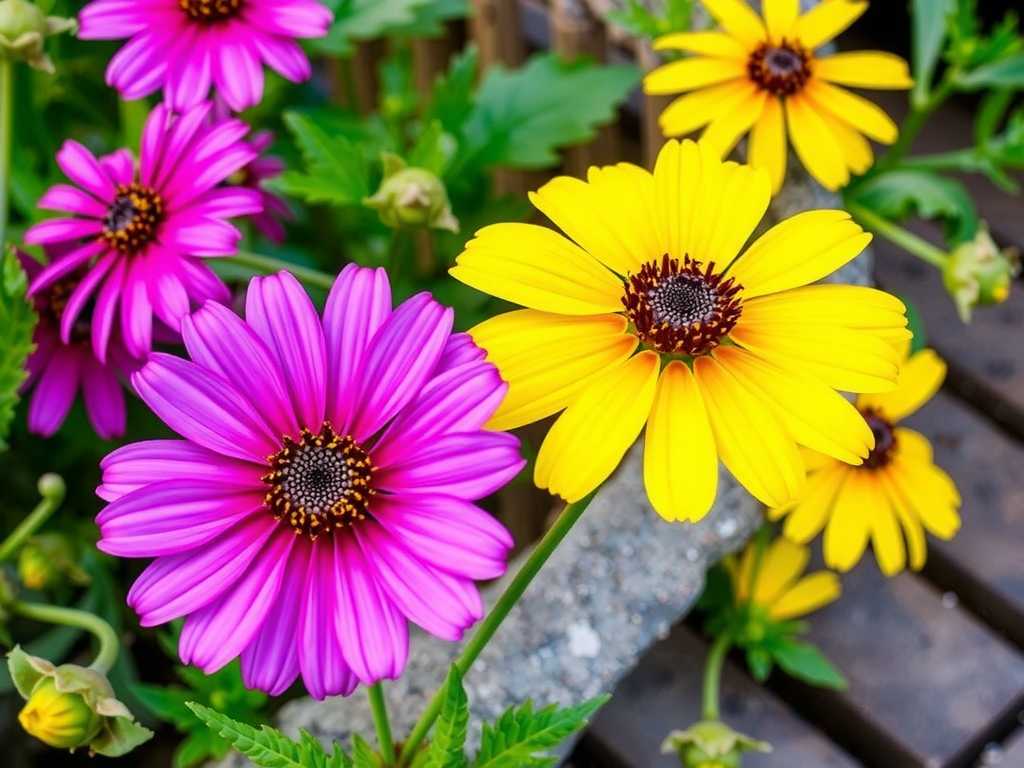
Coreopsis, often called tickseed, is a beloved perennial (and sometimes annual) genus prized for its long-lasting, sunny flowers. However, lumping all varieties together is a common mistake. Their needs can vary significantly based on their native habitat and growth habits. According to horticulturist Dr. Emily Carter, "Treating a drought-tolerant, sun-loving perennial coreopsis the same as a moisture-preferring annual type is the fastest way to see it fail. Identification is the first step in proper care."
Broadly, coreopsis varieties fall into a few main categories: the classic perennial types like Coreopsis grandiflora and C. lanceolata, the thread-leaf varieties like C. verticillata, and the more tender or annual types like Copsis tinctoria. Your care routine—from watering to pruning—will hinge on which group your plant belongs to.
Essential Care Fundamentals for All Coreopsis
Regardless of the specific variety, all coreopsis plants share some core requirements. Getting these basics right sets the stage for success.
First and foremost, coreopsis demands sun. Full sun is non-negotiable for abundant flowering. Aim for at least 6 to 8 hours of direct sunlight daily. In partial shade, plants become floppy and produce significantly fewer blooms.
Well-drained soil is absolutely critical. Coreopsis roots are susceptible to rot in heavy, waterlogged clay. If your soil is dense, amend it generously with compost or coarse sand to improve drainage. They are adaptable to most soil pH levels and thrive even in poor, sandy soils, making them excellent for challenging spots.
When it comes to watering, establish a "less is more" mindset after the initial establishment period. Water new plants regularly to help their roots settle. Once established, most perennial coreopsis are remarkably drought-tolerant. Deep, infrequent watering is far better than frequent light sprinkles, which encourage shallow roots.
A light application of a balanced, slow-release fertilizer in early spring is usually sufficient. Over-fertilizing, especially with high-nitrogen formulas, will produce lush foliage at the expense of flowers.
Variety-Specific Care: Tailoring Your Approach
This is where personalized care makes all the difference. Let’s break down the needs of the major coreopsis groups.
For Perennial Coreopsis (Grandiflora & Lanceolata Varieties)
These are the workhorses of the border, with larger, often semi-double flowers. They are generally short-lived perennials but will often self-seed.
- Pruning is Paramount: To encourage reblooming and prevent them from becoming leggy, practice deadheading. Regularly snip off spent flowers just above a set of leaves. For a major refresh in mid-summer, don’t be afraid to shear the entire plant back by one-third. This promotes a dense, compact form and a second flush of blooms in fall.
- Division for Longevity: These varieties benefit from division every 2-3 years in early spring or fall. This rejuvenates the plant, improves vigor, and is an easy way to propagate more for your garden.
For Thread-Leaf Coreopsis (Verticillata Varieties)
Known for their fine, feathery foliage and abundant small flowers, varieties like ‘Moonbeam’ and ‘Zagreb’ are long-lived and form elegant clumps.
- Low-Maintenance Champions: They require less frequent deadheading due to their prolific nature. Instead of snipping individual flowers, you can simply give the plant a light trim with shears after the main flowering wave to tidy it up.
- Excellent Drainage is Key: They are even more sensitive to wet winter soils. Ensure perfect drainage to guarantee their return year after year. They rarely need division.
For Annual/Tender Coreopsis (Tinctoria & Rosea Varieties)
These offer stunning bi-colored or rose-pink flowers and are typically grown as annuals or in warmer climates as perennials.
- Moisture Matters: They prefer consistently moist (but not soggy) soil compared to their perennial cousins, especially when grown in containers.
- Succession Planting: For continuous color all season, sow seeds of C. tinctoria every few weeks in spring. Deadhead regularly to keep them producing new buds.
Advanced Tips for a Spectacular Display
Beyond the basics, a few pro techniques will elevate your coreopsis game.
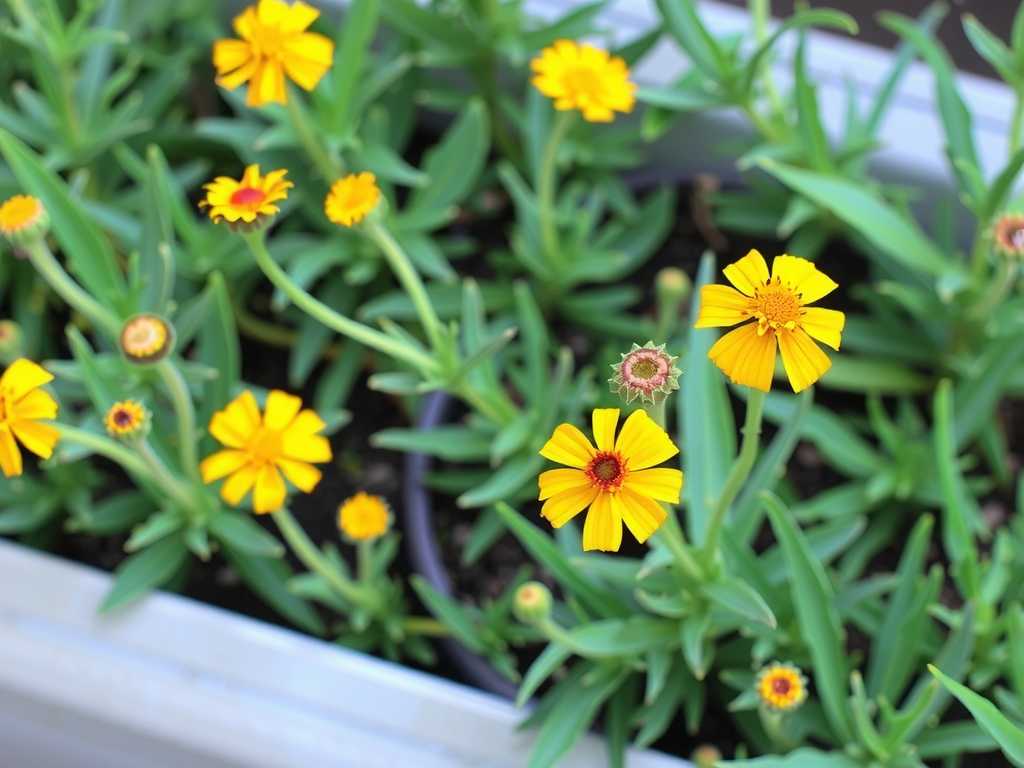
Companion planting creates stunning visual harmony and healthier beds. Pair the airy texture of thread-leaf coreopsis with the bold spikes of salvia or the rounded forms of ornamental alliums. The drought-tolerant nature of coreopsis makes it a perfect partner for sedum, lavender, and Russian sage in a hot, sunny border.
While coreopsis is generally pest-resistant, keep an eye out for aphids and slugs, especially on young plants. A strong spray of water usually dislodges aphids. The most common disease is crown or root rot, which is entirely preventable by ensuring excellent soil drainage. Avoid overhead watering to keep foliage dry and prevent fungal issues.
For winter care, after the first hard frost, you can cut back perennial stems to a few inches above the ground. In very cold climates, a light layer of mulch applied after the ground freezes can help prevent frost heaving, but avoid heavy mulching that traps moisture around the crown.
What is the best way to deadhead coreopsis to keep it blooming? Use clean, sharp pruners or even your fingertips to snip the spent flower stem back to just above a set of healthy leaves or a side bud. This redirects the plant's energy from seed production into creating new flower buds. For mass plantings, shearing is an efficient alternative.
Why is my coreopsis flopping over? Flopping, or lodging, is usually caused by one of three things: too much shade, too much nitrogen-rich fertilizer, or lack of pruning. Ensure full sun, go easy on the fertilizer, and don’t hesitate to give tall varieties a "haircut" in early summer to promote sturdier, bushier growth.
Can I grow coreopsis in pots? Absolutely! Choose compact or dwarf varieties and ensure your container has excellent drainage holes. Use a high-quality, well-draining potting mix. Potted coreopsis will need more frequent watering than in-ground plants, but always let the top inch of soil dry out between waterings. This is a fantastic way to enjoy these sunny blooms on a patio or balcony.
By moving beyond generic care and embracing the specific needs of your coreopsis variety, you unlock its full potential. Whether it’s the disciplined deadheading of a ‘Early Sunrise’ or the simple, elegant pruning of a ‘Moonbeam’, the right action leads to resilient plants and an endless summer of golds, reds, and pinks. Start by identifying your variety, master its preferred rhythm of care, and your garden will reward you with effortless, radiant beauty season after season.