bluename
 How to Care for Popular Echinacea Varieties? Core Care Tips
You've carefully selected vibrant echinacea varieties for your garden, but are you seeing lackluster blooms or struggling plants? Many gardeners face challenges with these native perennials despite their reputation for being low-maintenance. Understanding proper echinacea care techniques can transform your gardening experience and yield spectacular results season after season.
Sunlight and Placement Essentials
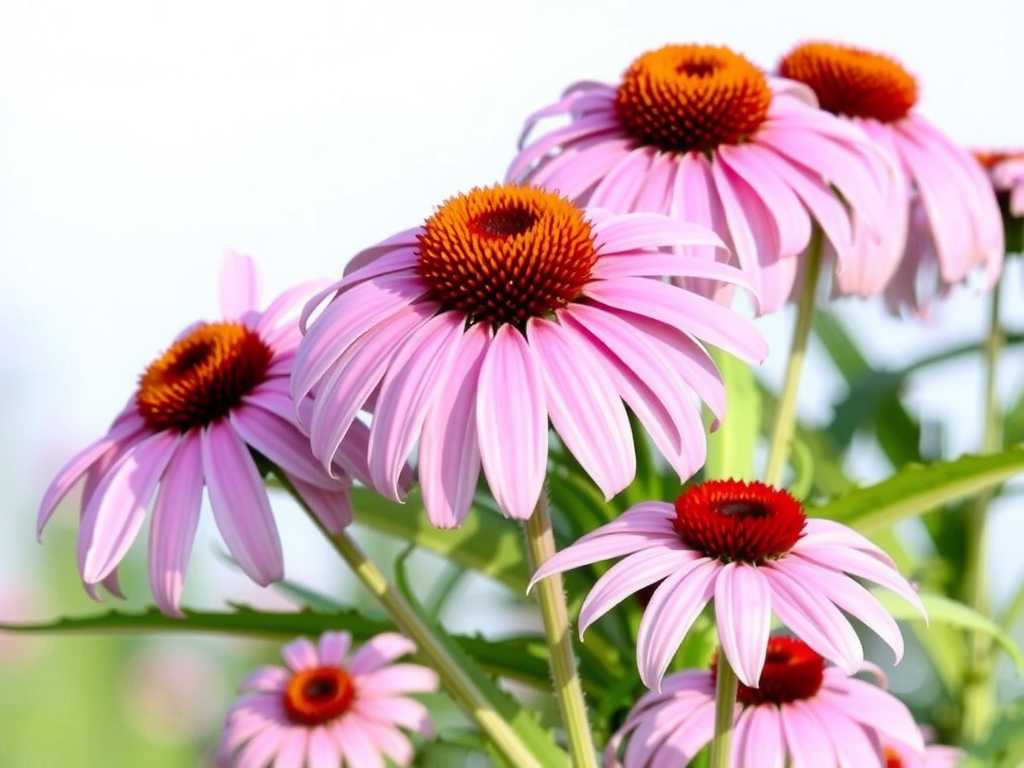
Echinaceas thrive in full sunlight, requiring at least six hours of direct exposure daily. While they tolerate partial shade, reduced sunlight often results in weaker stems and diminished flowering. The morning sun proves particularly beneficial as it dries dew from leaves, helping prevent fungal diseases.
Observe how sunlight moves across your garden throughout the day before planting. Southern exposures typically provide ideal conditions, though eastern locations work well too. Ensure adequate air circulation between plants to maintain healthy foliage and discourage pests.
Soil Requirements for Optimal Growth
These hardy perennials prefer well-draining soil with moderate fertility. Surprisingly, excessively rich soil can cause leggy growth and reduced flowering. A neutral to slightly alkaline pH range between 6.0 and 8.0 suits most varieties perfectly.
Heavy clay soils benefit from amendment with compost or coarse sand to improve drainage. For container growing, use a quality potting mix with added perlite. Established echinaceas demonstrate remarkable drought tolerance, but proper drainage remains critical to prevent root rot.
Watering Strategies Through the Seasons
New plantings require consistent moisture during their first growing season. Water deeply when the top inch of soil feels dry, encouraging robust root development. Mature plants become remarkably drought-resistant, needing supplemental watering only during extended dry periods.
Avoid overhead watering whenever possible, as wet foliage invites fungal issues. Instead, use soaker hoses or direct water to the soil level. Reduce watering in fall as plants prepare for dormancy, but provide adequate moisture during late autumn if conditions remain dry.
Feeding and Nutrition Guidelines
Echinaceas generally require minimal fertilization. In early spring, apply a balanced, slow-release organic fertilizer or work compost into the soil around plants. Excessive nitrogen promotes leafy growth at the expense of flowers.
Dr. Linda Gilkeson, master gardener and author of "Year-Around Gardening," recommends side-dressing with compost tea during bud formation for exceptional blooms. She notes that "echinaceas evolved in lean prairie soils, so overfeeding often does more harm than good."
Pruning and Deadheading Techniques
Regular deadheading encourages continuous blooming from summer through fall. Remove spent flowers by cutting stems back to the next set of leaves or side bud. This practice prevents seed formation and directs energy toward new flower production.
Leave some seed heads intact in late fall to provide winter interest and food for birds. Cut plants back to about 6 inches in early spring rather than autumn, as standing stems help protect crowns during winter months.
Division and Propagation Methods
Mature echinacea clumps benefit from division every three to four years. Early spring presents the ideal time for this task. Carefully dig up the entire plant and separate healthy outer sections from the woody center, ensuring each division has several growth buds.
While echinaceas can be grown from seed, named cultivars may not come true from this method. Root cuttings taken in spring often provide more reliable results for preserving specific characteristics.
Pest and Disease Management
Generally pest-resistant, echinaceas occasionally encounter issues with aphids, Japanese beetles, or aster yellows disease. Encourage beneficial insects like ladybugs that prey on aphids. Hand-pick Japanese beetles in early morning when they're less active.
Proper spacing and watering practices help prevent most fungal diseases. Remove and destroy any plants showing symptoms of aster yellows, which causes distorted growth and green flowers.
Winter Protection Measures
Most echinacea varieties withstand cold temperatures remarkably well. After the ground freezes, apply a light layer of mulch around plants to prevent frost heaving. Avoid heavy mulching that might trap moisture against crowns.
In regions with severe winters, evergreen boughs provide excellent protection. Container-grown plants should be moved to a sheltered location or sunk into the ground for insulation.
Variety-Specific Considerations
While basic care remains similar across species, some varieties have particular needs. Echinacea pallida handles drier conditions better than other types, while Echinacea paradoxa prefers slightly more alkaline soil. New hybrid varieties often benefit from division every two to three years to maintain vigor.
Frequently Asked Questions

Why are my echinacea plants not flowering? Insufficient sunlight ranks as the most common cause, though over-fertilization and excessive shade close behind. Ensure plants receive adequate direct sun and avoid high-nitrogen fertilizers that promote foliage over flowers.
Should I cut back echinacea in fall? Wait until early spring to cut back plants. Standing stems help protect crowns during winter and provide food sources for birds. The seed heads also add visual interest to winter gardens.
How do I prevent flopping in tall varieties? Provide adequate sunlight and avoid over-fertilizing. Crowded conditions often lead to weak stems, so ensure proper spacing. Some gardeners use discreet staking for extra support in windy locations.
With proper placement, minimal feeding, and strategic pruning, your echinacea plants will reward you with vibrant blooms that attract pollinators throughout the growing season. These resilient perennials require just enough attention to thrive without demanding constant care, making them perfect for both novice and experienced gardeners seeking long-lasting garden color.