bluename
 How to Care for Ornamental and Edible Chrysanthemums? Core Cultivation Methods
Nothing brightens a garden like chrysanthemums. Whether you're drawn to the vibrant pompoms of ornamental varieties or the tangy petals of edible chrysanthemums, the disappointment of drooping leaves or failed blooms is a universal frustration for gardeners. Many enthusiasts struggle with leggy growth, pest infestations, or simply not knowing the critical differences in caring for these two distinct types. This comprehensive guide will demystify the process, providing the essential knowledge to cultivate both stunning and tasty chrysanthemums successfully.
Understanding Your Chrysanthemum Types
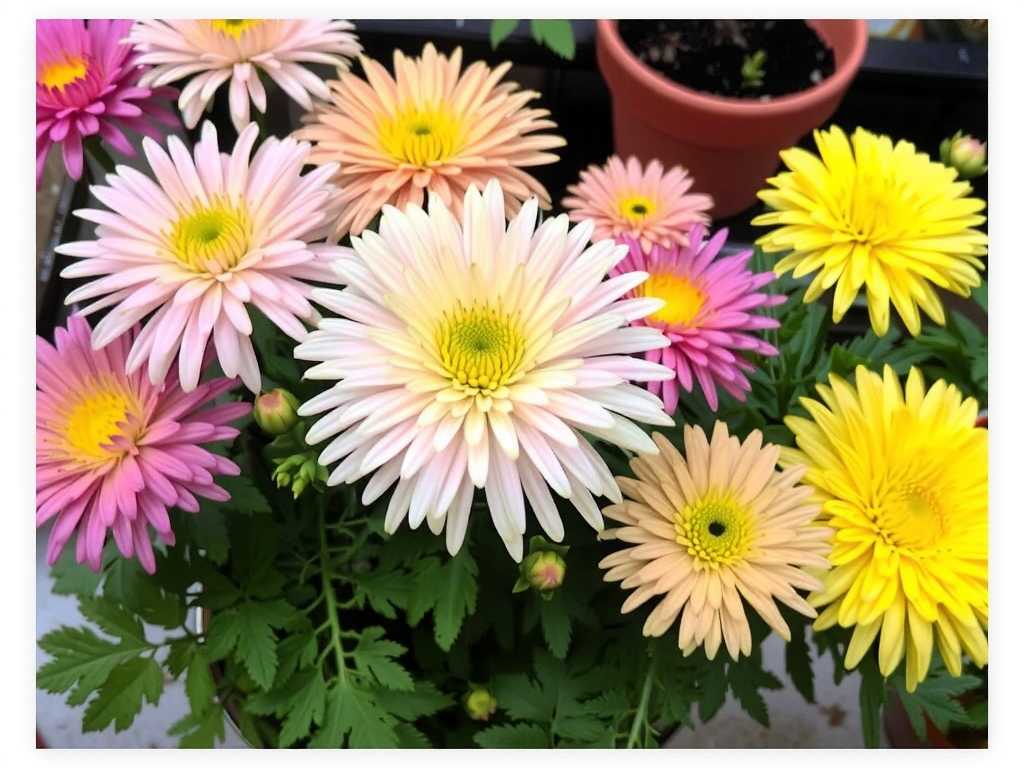
Before you plant, it's crucial to know what you're growing. Ornamental chrysanthemums, often called "mums," are bred for their spectacular flowers, which come in a breathtaking array of forms—from spiders and quills to decorative cushions. These are primarily for visual enjoyment. Edible chrysanthemums, known as shungiku or chop-suey greens, are cultivated for their flavorful leaves and petals. The varieties often have smaller, daisy-like flowers and are a staple in many Asian cuisines. Identifying your plant correctly is the first step to providing the right care.
Selecting the Perfect Location
Sunlight is non-negotiable for thriving chrysanthemums. Both ornamental and edible types require a minimum of six hours of direct sunlight daily. A full sun location ensures sturdy stems, abundant buds, and intense flower color. Insufficient light is a primary cause of weak, leggy plants that fail to bloom properly.
Well-draining soil is your best defense against root rot. Chrysanthemums despise having "wet feet." Amend heavy clay soil with compost or well-rotted manure to improve drainage and fertility. They prefer a slightly acidic to neutral soil pH, ranging from 6.0 to 7.0. A simple soil test can confirm your conditions and guide any necessary adjustments.
Mastering the Planting Process
You can start chrysanthemums from seeds, cuttings, or nursery-bought plants. For spring planting, wait until all danger of frost has passed. Space plants according to their mature size, typically 18 to 24 inches apart, to ensure good air circulation and prevent disease.
Dig a hole twice as wide as the root ball. Gently place the plant inside, ensuring the crown is level with the soil surface. Backfill with soil, firm it gently, and water thoroughly to settle the roots. Applying a layer of mulch around the base helps retain moisture, suppress weeds, and keep roots cool.
Watering and Feeding for Optimal Health
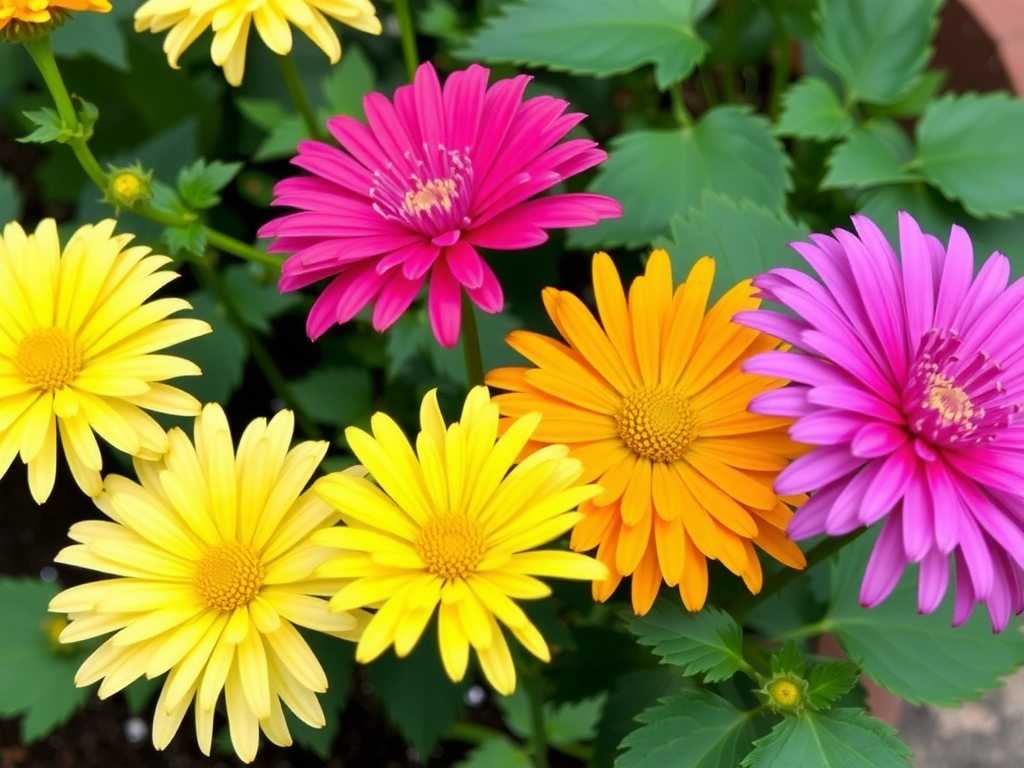
Consistent moisture is key, but overwatering is a death sentence. Water your chrysanthemums deeply when the top inch of soil feels dry, aiming for the base of the plant to keep the foliage dry and prevent fungal diseases. Drip irrigation or soaker hoses are ideal for this. Established plants are somewhat drought-tolerant, but consistent watering produces the best results.
Nutritional needs differ slightly between types. Dr. Eleanor Green, a horticultural scientist, states, "A balanced, slow-release fertilizer applied at planting benefits all chrysanthemums. However, as buds form, ornamental types benefit from a fertilizer higher in potassium to boost bloom size and longevity, while edible types should be fed with a nitrogen-rich mix to encourage leafy growth." Always follow product instructions to avoid fertilizer burn.
Pruning and Pinching for Bushier Plants
To prevent tall, floppy plants, you must encourage bushiness. The technique is simple: pinch. Once your plants are about 6 inches tall, use your fingers or sharp shears to pinch off the top half-inch to one inch of the main stem. This forces the plant to branch out.
Continue pinching the tips of new growth every two to three weeks until mid-summer. For fall-blooming ornamental mums, stop pinching around the Fourth of July to allow flower buds to form. For edible chrysanthemums grown for leaves, you can continue light harvesting throughout the season, which serves the same purpose as pinching.
Overwintering and Long-Term Care
In colder climates, helping your mums survive the winter is critical. After the first hard frost has blackened the foliage, cut the stems back to 2-3 inches above the ground. Cover the crown with a thick, loose layer of straw or shredded leaves. This protective blanket prevents the freeze-thaw cycles that can heave plants out of the ground. Remove the mulch in the spring after the last frost date.
Divide your chrysanthemum clumps every two to three years in the spring. This rejuvenates older plants, improves vigor and flower production, and gives you new plants to expand your garden.
Managing Pests and Diseases Naturally
Even with the best care, pests may appear. Common issues include aphids, spider mites, and leaf miners. A strong spray of water from a hose can dislodge many pests. For persistent problems, insecticidal soap or neem oil are effective, organic solutions.
Fungal diseases like powdery mildew and rust are best prevented. Ensure proper spacing for air flow, water at the soil level, and remove any affected leaves immediately. As a preventative measure, some gardeners apply a homemade spray of one tablespoon of baking soda mixed with one gallon of water and a few drops of horticultural oil.
Harvesting Your Rewards
For ornamental mums, the goal is long-lasting cut flowers. Cut stems when the flowers are just beginning to open, preferably in the early morning. Place them immediately in a vase of warm water.
For edible chrysanthemums, you can begin harvesting young, tender leaves once the plant is well-established. Regular harvesting encourages new growth. The flower petals are also edible and make a beautiful, peppery garnish for salads and soups. Always wash thoroughly before consuming.
Why are the leaves on my chrysanthemum turning yellow? Yellowing leaves are often a sign of overwatering or poor drainage. Check that your soil is not waterlogged. It can also indicate a need for nitrogen or that the plant is preparing for its natural winter dormancy.
Can I grow chrysanthemums in containers? Absolutely. Both ornamental and edible varieties thrive in pots. Ensure the container has excellent drainage holes and use a high-quality potting mix. Container plants will need more frequent watering and feeding than those in the ground.
When is the best time to plant chrysanthemums for fall color? While you can find blooming mums in nurseries in the fall, the best time to plant for long-term success is in the spring. This gives the plant ample time to establish a strong root system before winter, ensuring it returns vigorously the following year.
Growing vibrant chrysanthemums, whether for their breathtaking beauty or their unique culinary flavor, is an immensely rewarding experience. By providing ample sun, well-draining soil, and consistent care with timely pinching, you set the stage for a spectacular display. Paying attention to the specific needs of your chosen type—ornamental or edible—will yield the best results. With these core cultivation methods, your garden will be filled with healthy, flourishing chrysanthemums season after season.