bluename
 How to Care for Narrow-Leaved and Broad-Leaved Lavender? Practical Cultivation Tips
Are you struggling to keep your lavender plants thriving? Whether you're growing narrow-leaved English lavender or broad-leaved French varieties, understanding their distinct needs is crucial for success. Many gardeners face challenges like poor flowering, root rot, or leggy growth due to incorrect watering, pruning, or soil conditions. This comprehensive guide will walk you through proven cultivation techniques tailored to each type's characteristics.
Understanding Lavender Varieties: Narrow vs. Broad Leaves
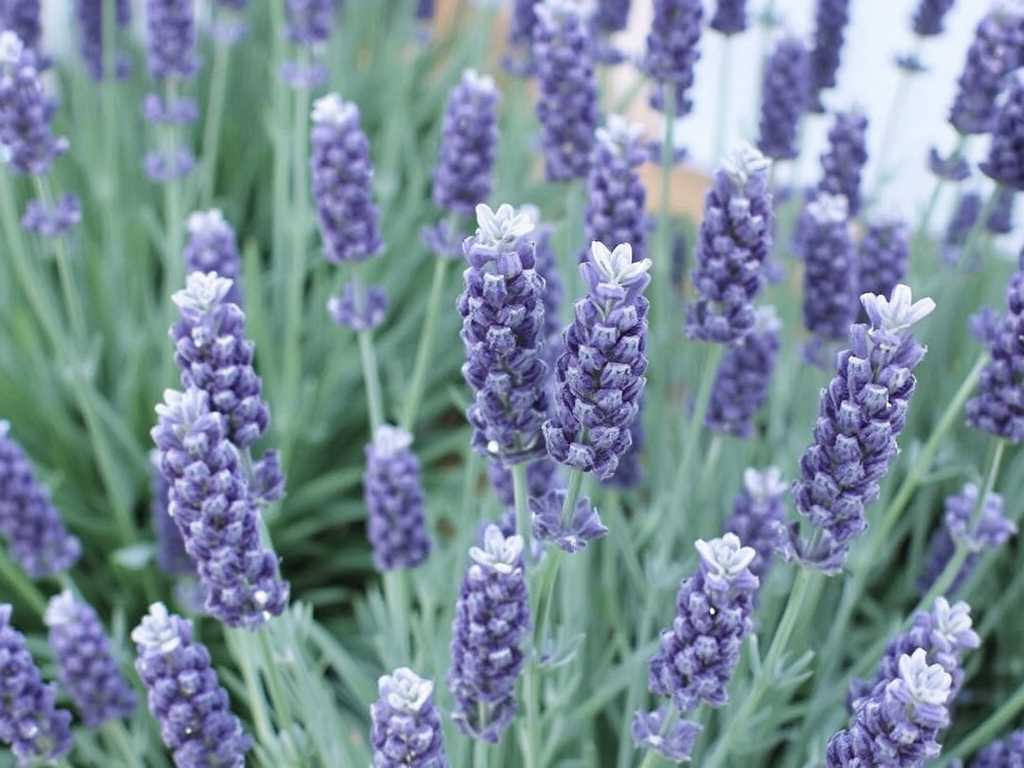
Narrow-leaved lavender (Lavandula angustifolia) features slender, silver-green leaves and compact growth. It's known for high essential oil content and cold hardiness. Broad-leaved types (e.g., Lavandula stoechas) have wider, serrated leaves with showy "rabbit ear" blooms. They typically prefer warmer climates and have longer flowering seasons.
Essential Growing Conditions for Healthy Lavender
Sunlight Requirements Lavender demands full sun - at least 6-8 hours daily. Southern exposures provide ideal conditions. Insufficient light causes sparse blooms and weak stems.
Soil Preparation Strategies Well-draining soil is non-negotiable. Mix garden soil with 30% coarse sand or gravel. Aim for pH 6.5-8.0. Horticulturist Dr. Eleanor Green notes: "Lavender roots suffocate in clay soils within weeks."
Climate Considerations Narrow-leaved varieties tolerate temperatures to -10°C when established. Broad-leaved types need protection below -1°C. Container growing allows mobility in marginal climates.
Watering Techniques: Precision Matters
Establishment Phase Watering Water new plants twice weekly for the first month. Gradually reduce to deep, infrequent watering. The Royal Horticultural Society recommends "simulating Mediterranean downpours followed by dry periods."
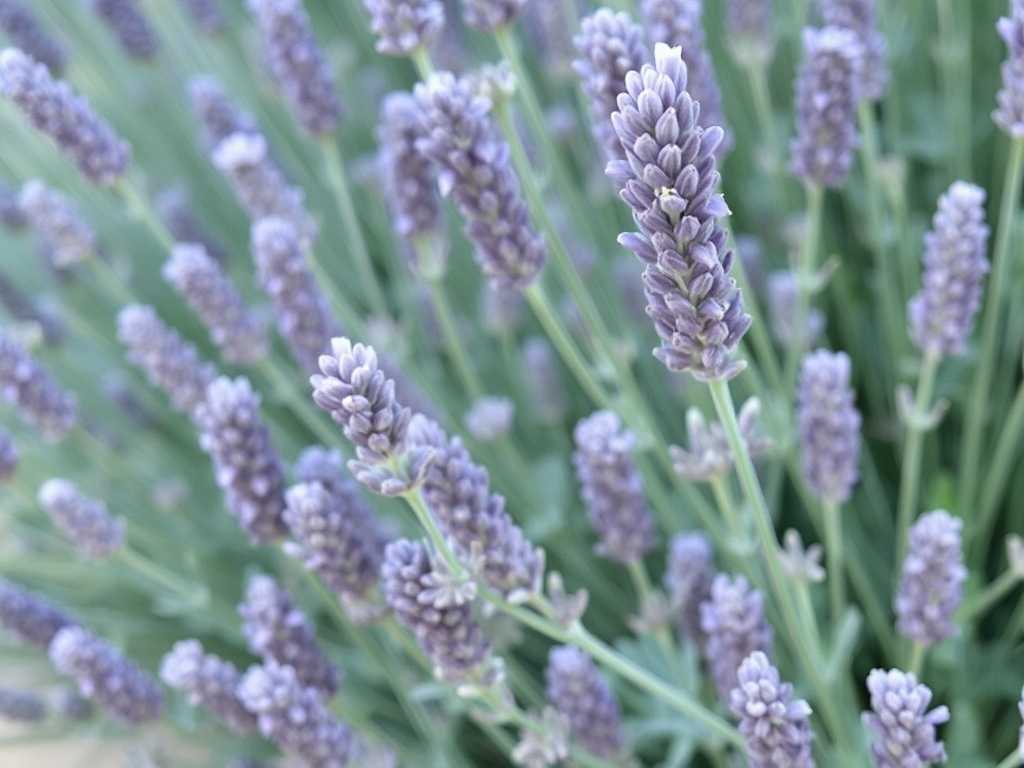
Mature Plant Hydration Check soil moisture 2 inches deep before watering. Mature narrow-leaved lavender often thrives on rainfall alone in suitable climates. Overwatering causes more losses than drought.
Seasonal Adjustments Reduce watering by 50% in fall and winter. Use drip irrigation to keep foliage dry and prevent fungal issues.
Pruning Methods for Different Lavender Types
Narrow-Leaved Lavender Pruning Prune lightly after first flowering, then heavily in early spring. Remove up to one-third of growth, but avoid cutting into woody stems. This maintains compact shape and stimulates blooming.
Broad-Leaved Variety Maintenance Deadhead spent flowers regularly to encourage reblooming. Conduct major pruning in late winter, preserving green leaf nodes. These varieties regenerate poorly from old wood.
Timing Considerations Complete heavy pruning 4-6 weeks before first frost. Late pruning exposes tender growth to cold damage.
Fertilization: Less is More
Soil Amendment Approach Incorporate compost during planting, but avoid high-nitrogen fertilizers. Lavender thrives in moderately poor soil. Excessive nutrients produce lush foliage but reduce fragrance and flowering.
Container-Grown Plants Use half-strength balanced fertilizer monthly during growing season. Ground-planted lavender rarely needs supplemental feeding unless soil is extremely depleted.
Pest and Disease Management
Common Issues Root rot from overwatering tops problem lists. Spider mites attack during dry spells. Improve air circulation to prevent foliar diseases.
Organic Solutions Neem oil controls most insects. For fungal issues, baking soda sprays (1 tablespoon/gallon) help prevent spread. Remove affected plant parts immediately.
Winter Protection Strategies
Cold Hardiness Variations Narrow-leaved varieties survive to USDA zone 5 with mulch protection. Broad-leaved types need container growing in zones below 7 or greenhouse overwintering.
Protective Measures Apply 2-3 inches of gravel mulch in fall. Avoid organic mulches that retain moisture. Burlap wraps shield plants from drying winds.
Propagation Techniques
Stem Cutting Method Take 3-inch cuttings from non-flowering stems in spring. Dip in rooting hormone and plant in sandy mix. Maintain slight moisture until roots establish.
Seed Starting Challenges Lavender seeds require cold stratification. Germination rates vary widely. Named cultivars won't come true from seed.
Why does my lavender plant look woody and sparse? This results from inadequate pruning. Begin regular pruning in the plant's second year. Focus on maintaining a rounded shape and preventing center woodiness.
Can I grow both types in the same container? It's not recommended. Their different growth rates and water needs create maintenance challenges. Narrow-leaved varieties generally outperform in mixed plantings.
How long until my new lavender plants flower? Expect blooms within 1-2 seasons. Plants from cuttings may flower sooner than seed-grown specimens. Maximum fragrance develops in year three.
Successful lavender cultivation hinges on recognizing that narrow and broad-leaved varieties, while similar in basic requirements, need tailored approaches to watering, pruning, and winter care. By implementing these specific techniques and maintaining excellent drainage, you'll be rewarded with fragrant, long-lasting blooms that enhance both garden and home. Consistent attention to each variety's unique characteristics ensures your lavender plants remain healthy and productive for years to come.