bluename
 How to Care for Cut and Potted Carnations? Practical Care Tips
Nothing brightens a room faster than a vibrant bouquet of carnations or a cheerful potted carnation plant. Yet many plant lovers watch helplessly as their cut carnations wilt prematurely or their potted specimens struggle to thrive. The secret lies in understanding that these two forms require distinctly different care approaches. Whether you've received a stunning bouquet or adopted a living plant, proper carnation care ensures lasting beauty and vitality.
Caring for Cut Carnations
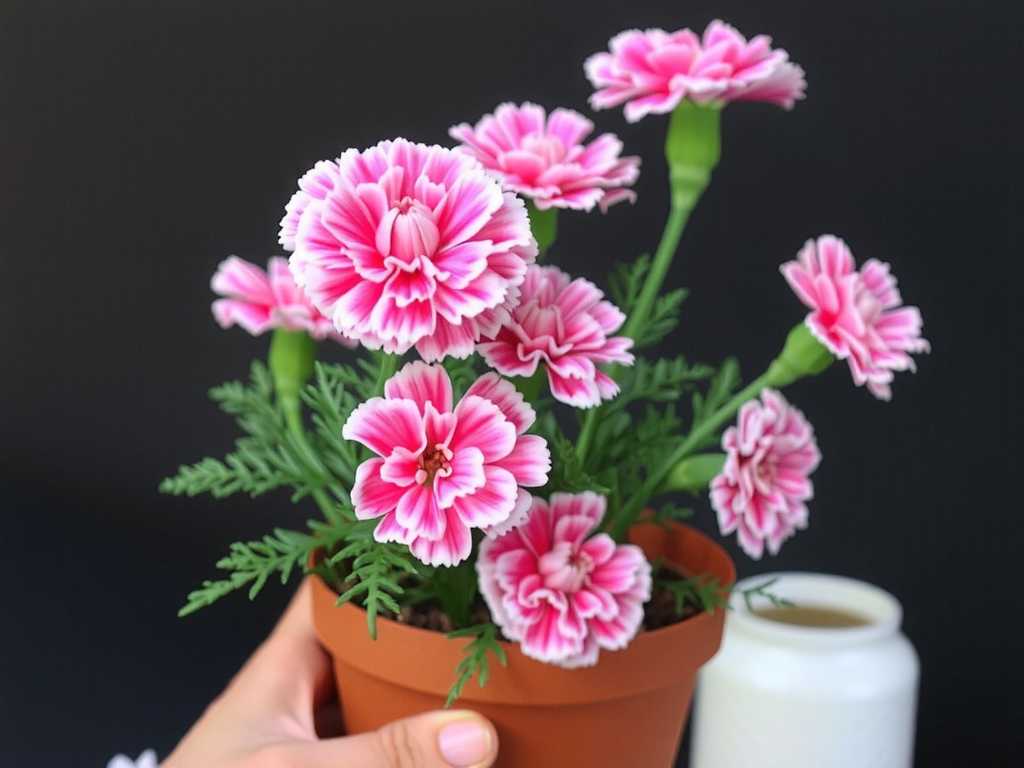
The moment cut carnations arrive in your home, their lifespan depends on your immediate actions and ongoing maintenance. Follow these essential steps to extend their freshness.
Preparation Sets the Foundation
Begin with a clean vase—wash it thoroughly with soap and hot water to eliminate bacteria that accelerate decay. Trim each stem at a 45-degree angle using sharp scissors or pruning shears; this angled cut increases surface area for water absorption. Remove any leaves that would sit below the waterline to prevent bacterial growth.
According to floral experts at the American Society of Florists, "Cut flowers benefit immensely from being placed in warm water (approximately 100-110°F) initially, as warm water moves up stems more rapidly than cold water." After about 20-30 minutes in warm water, transfer your arrangement to room temperature water.
Water Quality and Nutrition Matter
Fill your vase with room temperature water mixed with the floral preservative packet provided with your bouquet. These packets contain biocides to control bacteria, acidifiers to adjust water pH, and carbohydrates to nourish flowers. If you've run out of preservative, create a homemade solution by mixing 1 teaspoon of sugar, 1 teaspoon of bleach, and 2 teaspoons of lemon juice per quart of water.
Change the water completely every two days, re-trimming stems each time to maintain water uptake. Dr. Linda Harris, horticulturist at the University of Georgia, notes: "Recutting stems under water prevents air bubbles from blocking the vascular system, significantly extending vase life."
Ideal Placement Extends Longevity
Display cut carnations away from direct sunlight, heating vents, ripening fruit, and drafts. These elements accelerate dehydration and expose flowers to ethylene gas—a natural plant hormone that promotes aging. Carnations prefer cool environments, ideally between 65-72°F (18-22°C). Moving them to a cooler room overnight can add days to their lifespan.
Troubleshooting Common Issues
If your carnations begin to droop prematurely, check for cloudy water or slimy stems—both indicate bacterial growth. Immediately recut stems, clean the vase, and replace the water. For wilting flowers, try submerging the entire bloom in cool water for 30 minutes to rehydrate petals.
Caring for Potted Carnations
Unlike their cut counterparts, potted carnations represent living plants that can thrive for years with proper attention. These perennial beauties require thoughtful consideration of their growing environment.
Selecting the Right Container and Soil
Choose a container with adequate drainage holes—carnations despise soggy roots. A well-draining potting mix is essential; consider adding perlite or sand to standard potting soil to improve drainage. The Royal Horticultural Society recommends "a slightly alkaline soil (pH 6.5-7.5) for optimal carnation health."
Light and Temperature Requirements
Potted carnations demand at least 4-6 hours of direct sunlight daily, preferably from a south-facing window. They flourish in daytime temperatures between 60-70°F (15-21°C) and cooler nights around 50-60°F (10-15°C). During summer, you can move outdoor potted carnations to a sunny spot, but acclimate them gradually to prevent shock.
Watering Practices for Healthy Roots
Water thoroughly when the top inch of soil feels dry, allowing excess water to drain completely. Never let potted carnations sit in water-filled saucers. "Overwatering is the primary killer of potted carnations," warns master gardener Thomas Shaw. "The soil should approach dryness between waterings, without becoming bone dry."
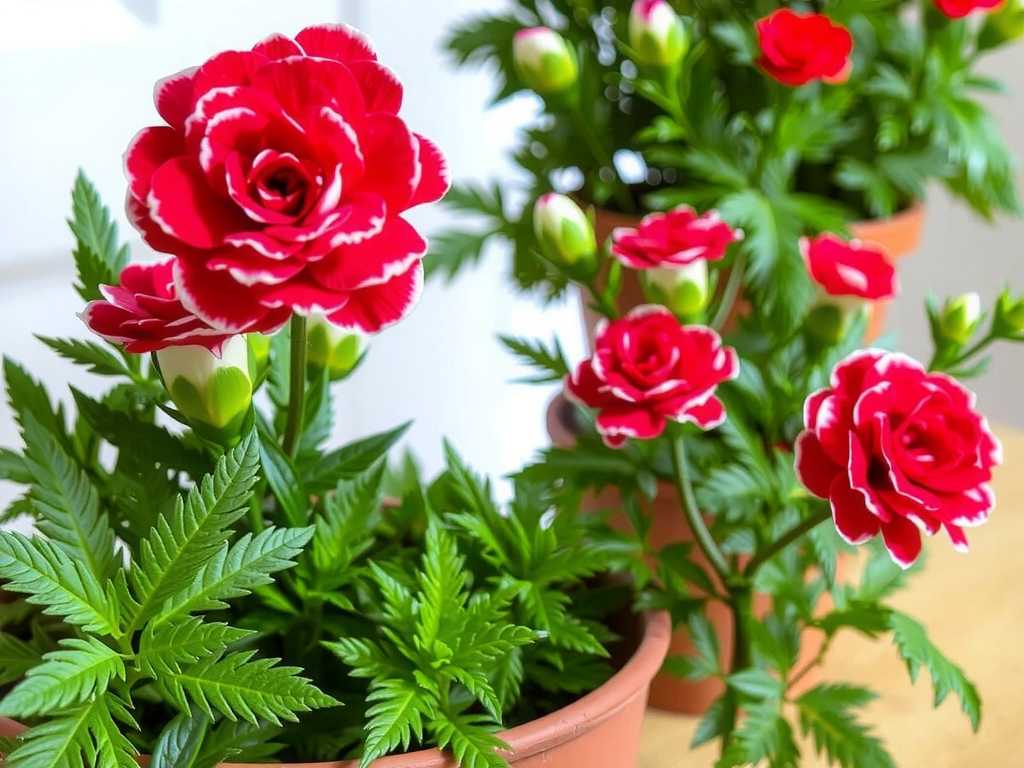
Feeding and Maintenance
Feed every 2-4 weeks during the growing season with a balanced, water-soluble fertilizer diluted to half strength. Pinch off spent blooms (deadheading) to encourage continuous flowering. After each flowering cycle, trim back about one-third of the plant to maintain compact growth.
Seasonal Considerations
In winter, reduce watering frequency as growth slows. Protect outdoor potted carnations from freezing temperatures by moving them indoors or to a sheltered location. Increase humidity around indoor plants during dry winter months by placing them on pebble-filled trays with water.
Advanced Care Techniques
For dedicated growers wanting to maximize their carnation success, these professional tips can make a noticeable difference.
Extending Cut Carnation Vase Life
Add a copper penny to the vase water—the copper acts as a mild acidifier and antibacterial agent. Alternatively, a single drop of bleach per quart of water can control bacteria without harming flowers. Research from the University of Vermont Extension Department found that "carnations responded particularly well to floral preservatives containing sucrose and antimicrobial components, with vase life extended by 5-7 days compared to plain water."
Encouraging Potted Carnation Reblooming
After the main flowering period, apply a bloom-booster fertilizer higher in phosphorus (the middle number in fertilizer ratios). Ensure your plant receives adequate light intensity, as insufficient light is the most common reason for failure to rebloom. Rotate potted carnations quarterly to promote even growth.
Preventing Common Diseases
Potted carnations occasionally develop issues like rust or fusarium wilt. Improve air circulation around plants and avoid wetting foliage when watering to prevent fungal diseases. For cut carnations, sterilize vases between uses and always use clean tools when trimming stems.
Frequently Asked Questions
Why are my cut carnations drooping so quickly? Drooping typically indicates either air blockage in stems or bacterial contamination. Recut stems under water and change the vase water immediately. The underwater cutting technique prevents air bubbles from entering the stem's vascular system, restoring water uptake.
How often should I water my potted carnation? The frequency depends on environmental conditions, but generally water when the top inch of soil feels dry. In typical indoor conditions, this might mean watering every 5-7 days. Always check soil moisture rather than following a rigid schedule, as factors like temperature, humidity, and pot size affect drying time.
Can I plant my potted carnation outside? Yes, in USDA hardiness zones 5-9, you can transplant potted carnations to a garden location with well-draining soil and full sun. Wait until after the last frost date in spring, and harden off indoor-grown plants by gradually exposing them to outdoor conditions over 7-10 days before transplanting.
Whether tending cut flowers or nurturing living plants, understanding these distinct care approaches transforms your carnation experience. Consistent attention to water quality, environmental conditions, and timely maintenance allows these classic flowers to reveal their full potential, bringing sustained beauty to your space long after other flowers would have faded.