bluename
 How to Care for Double and Single Jasmine? Core Care Methods
Nothing compares to the intoxicating fragrance of jasmine flowers wafting through your garden or living space. Yet many gardeners struggle with yellowing leaves, poor blooming, or even plant collapse despite their best efforts. Understanding the distinct care requirements for double and single jasmine varieties can transform your gardening experience from frustrating to flourishing.
Whether you're growing the common single-petaled Arabian jasmine or the lush double-bloomed varieties, mastering these essential care methods will ensure your plants thrive year after year.
Understanding Jasmine Types
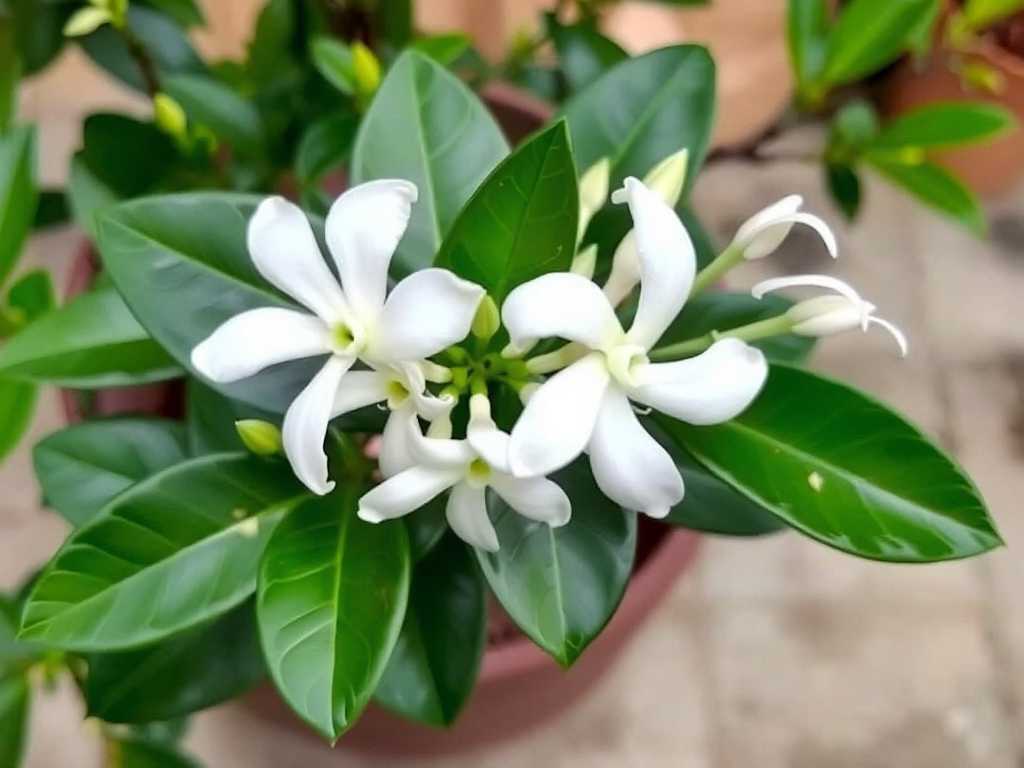
Before diving into care specifics, it's crucial to identify which jasmine variety you're growing. Single jasmine varieties typically feature five to nine petals arranged in a simple, star-shaped pattern. These include popular species like Jasminum officinale and Jasminum sambac. Double jasmine varieties boast multiple layers of petals creating a rose-like appearance, with Grand Duke of Tuscany being among the most cherished types.
The fundamental difference in care stems from their growth habits and flowering patterns. Single jasmines generally produce more flowers throughout the season, while double varieties often concentrate their blooming in specific periods with more elaborate but fewer blooms.
Essential Light Requirements
Jasmine plants universally crave bright light, but their specific needs vary by variety and environment. Outdoor jasmine thrives in full sun to partial shade, requiring at least 4-6 hours of direct sunlight daily. Indoor jasmine plants need placement near south-facing windows where they can receive abundant indirect light throughout the day.
Morning sunlight proves particularly beneficial for both double and single jasmine varieties, as it gently stimulates growth without scorching delicate petals and foliage. During intense summer months, provide slight afternoon shade to prevent leaf burn, especially for container-grown plants.
According to a University of California Master Gardener study, jasmine plants receiving adequate sunlight produce 40% more flower buds and demonstrate significantly stronger resistance to common diseases.
Perfecting Watering Techniques
The watering needs for double and single jasmine follow similar principles but require careful observation. During active growth seasons (spring through fall), maintain consistently moist soil without waterlogging. The top inch of soil should dry slightly between waterings, while the root zone remains moderately moist.
Winter watering needs decrease substantially for both varieties. Reduce watering frequency by approximately 50% during dormancy periods, allowing the soil to dry more thoroughly between sessions. Overwatering during cool months represents the most common cause of root rot in jasmine plants.
Signs of improper watering include yellowing leaves (overwatering) and crispy leaf edges (underwatering). Double jasmine varieties often show water stress more dramatically than their single-petaled counterparts.
Ideal Soil Composition
Jasmine plants demand well-draining, slightly acidic soil with pH levels between 6.0-7.5. A quality potting mix combining peat moss, perlite, and organic compost provides optimal conditions for both double and single varieties. Garden soil should be amended with sand or grit to improve drainage if necessary.
Container-grown jasmine particularly benefits from annual soil refreshment. Repot every 1-2 years in early spring before the main growth season begins. This practice replenishes nutrients and prevents soil compaction that can choke delicate roots.
Fertilization Strategies
Regular feeding sustains vigorous growth and abundant flowering. Apply balanced, water-soluble fertilizer (10-10-10 or 20-20-20) every 2-4 weeks during the growing season. Alternatively, use slow-release granules at the beginning of spring for steady nutrient release.
Specialized bloom-boosting fertilizers with higher phosphorus content (such as 15-30-15) can enhance flowering when applied as buds begin to form. Double jasmine varieties often respond exceptionally well to these phosphorus-rich formulations, producing more elaborate blooms with enhanced fragrance.
Pruning and Training Methods
Proper pruning maintains plant shape and encourages flowering. The best time for major pruning is early spring, just before new growth emerges. Remove dead, damaged, or crossing branches first, then shape the plant as desired. For both double and single jasmine varieties, avoid removing more than one-third of the plant mass in a single session.
Regular deadheading (removing spent flowers) promotes continued blooming throughout the season. This practice proves particularly valuable for single jasmine varieties that produce flowers sequentially over longer periods.
Temperature and Humidity Management
Jasmine plants flourish in temperatures between 60-75°F (15-24°C). Most varieties can tolerate brief cold spells, but sustained temperatures below 40°F (4°C) can cause significant damage. Indoor jasmine plants benefit from consistent room temperatures and protection from drafty windows or heating vents.

Humidity levels around 50-60% create ideal growing conditions. In dry environments, use humidity trays or regular misting to maintain adequate moisture around the foliage. Double jasmine varieties often show greater sensitivity to low humidity than single-petaled types.
Pest and Disease Prevention
Common jasmine pests include spider mites, aphids, and whiteflies. Regular inspection helps detect infestations early. Treat minor issues with insecticidal soap or neem oil applications. For severe infestations, systemic insecticides may be necessary.
Preventative measures include proper air circulation, avoiding leaf wetness during watering, and quarantining new plants before introducing them to your collection. According to Royal Horticultural Society guidelines, healthy, well-maintained jasmine plants demonstrate natural resistance to most common pests and diseases.
Winter Care Considerations
Outdoor jasmine in cool climates requires protection when temperatures approach freezing. Apply thick mulch around the base and consider covering plants with frost cloth during extreme cold snaps. Potted jasmine should be moved to sheltered locations or brought indoors.
Indoor jasmine plants during winter need reduced watering and fertilization. Maintain bright light exposure and protect from sudden temperature fluctuations caused by heating systems. Both double and single jasmine varieties enter a natural dormancy period during winter months, during which growth slows significantly.
Propagation Techniques
Expand your jasmine collection through stem cuttings taken in spring or early summer. Select healthy, non-flowering shoots 4-6 inches long with several leaf nodes. Remove lower leaves, dip the cut end in rooting hormone, and plant in moist potting mix.
Maintain high humidity around cuttings by covering with plastic bags or using propagation chambers. Rooting typically occurs within 4-8 weeks, after which new plants can be gradually acclimated to normal growing conditions. Double jasmine varieties sometimes root more slowly than single varieties but eventually establish with proper care.
Frequently Asked Questions
Why are my jasmine leaves turning yellow? Yellow leaves typically indicate overwatering, poor drainage, or nutrient deficiency. Check soil moisture levels and adjust watering practices accordingly. If the problem persists, test soil pH and consider applying balanced fertilizer.
How can I encourage more flowers? Ensure adequate sunlight, proper pruning, and appropriate fertilization. Bloom-boosting fertilizers high in phosphorus can significantly increase flower production. Also verify that your plant isn't experiencing temperature stress or inadequate humidity levels.
Are jasmine plants toxic to pets? According to ASPCA guidelines, true jasmine species are non-toxic to cats and dogs. However, some plants commonly called jasmine may be harmful, so always verify the botanical name to ensure plant safety around pets.
With consistent care tailored to their specific needs, both double and single jasmine varieties will reward you with their exquisite beauty and unforgettable fragrance. The key lies in understanding their fundamental requirements and making subtle adjustments based on your growing environment and specific variety.