bluename
 How to Care for Four-Season and One-Season Primroses? Practical Cultivation Tips
Nothing brightens indoor and outdoor spaces quite like primroses, but many gardeners struggle to keep them thriving beyond their initial blooming period. Whether you're growing perennial varieties that flower year after year or seasonal types that provide spectacular but brief displays, understanding their distinct needs makes all the difference between temporary enjoyment and long-term success.
Understanding Primrose Types: Four-Season vs One-Season Varieties

Four-season primroses, often called perennial primroses, include varieties like Primula vulgaris and Primula japonica that can bloom repeatedly throughout the year with proper care. These plants typically feature robust root systems and can handle temperature fluctuations better than their seasonal counterparts.

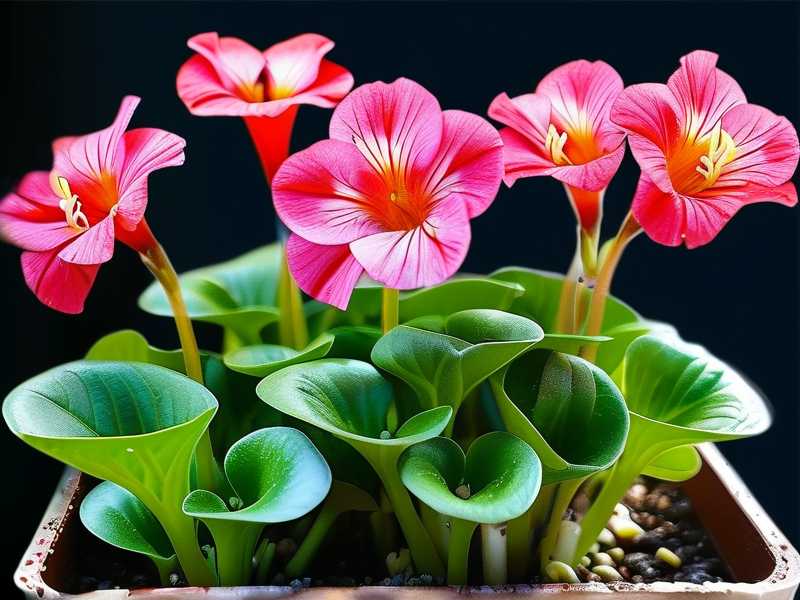
One-season primroses, commonly referred to as bedding primroses or Primula acaulis, are bred for spectacular seasonal displays but often decline after their initial flowering period. These are frequently treated as annuals in many climates, though with specialized care, some varieties can be encouraged to rebloom.
Essential Growing Conditions for Healthy Primroses
Light requirements vary between primrose types but most prefer bright, indirect light. Morning sun with afternoon shade creates the ideal environment for both four-season and one-season varieties. According to Royal Horticultural Society studies, primroses receiving 4-6 hours of filtered sunlight daily showed 40% longer blooming periods compared to those in full shade or direct sun.
Temperature control proves crucial for primula success. Most varieties thrive in temperatures between 50-65°F (10-18°C). Four-season primroses typically tolerate wider temperature ranges, while one-season varieties require more consistent cool conditions to prolong their display.
Soil composition significantly impacts primrose health. A well-draining, humus-rich potting mix with slightly acidic pH (6.0-6.5) supports optimal root development. Master gardener Linda Smith recommends "amending standard potting soil with 25% peat moss and 15% perlite for exceptional drainage and moisture retention."
Watering Techniques for Different Primrose Types
Consistent moisture without waterlogging represents the golden rule for primrose care. Four-season varieties benefit from slightly drier conditions between waterings, while one-season primroses require more consistent moisture during their active growth and blooming phases.
The finger test remains the most reliable watering indicator. Insert your finger about an inch into the soil - if it feels dry, it's time to water. Always water at the base of the plant to prevent crown rot, a common issue with overhead watering.
Seasonal Care Strategies
Spring care focuses on supporting active growth and flowering. Begin fertilizing with a balanced, water-soluble fertilizer at half strength every two weeks as new growth appears. For both four-season and one-season primroses, this period represents peak nutritional demand.
Summer maintenance requires increased attention to watering and protection from heat stress. Move container-grown primroses to shaded areas during heatwaves and consider mulching outdoor plants to keep roots cool. Four-season varieties may enter a semi-dormant phase during extreme heat.
Fall preparation helps four-season primroses transition into their winter blooming cycle. Gradually reduce fertilizer applications and prepare outdoor plants for colder temperatures. For one-season primroses, this typically marks the end of their lifecycle unless you're attempting to overwinter them indoors.
Winter care varies significantly between primrose types. Four-season varieties often produce blooms during mild winter periods, while one-season types usually complete their cycle. Protect outdoor primroses from hard freezes with frost cloth or by moving containers to sheltered locations.
Propagation Methods for Continuous Blooms
Division represents the most reliable propagation method for four-season primroses. After 2-3 years, carefully dig up established plants and gently separate them into smaller clusters, ensuring each division has healthy roots and several leaves. Replant immediately and maintain consistent moisture until new growth appears.
Seed starting works well for both primrose types, though requires more patience. Sow seeds in late winter indoors for one-season varieties, or in summer for four-season types that will bloom the following year. Professional growers note that primrose seeds need light to germinate, so simply press them gently into the soil surface without covering.
Troubleshooting Common Primrose Problems
Yellowing leaves often indicate overwatering, poor drainage, or nutrient deficiencies. Check soil moisture levels and adjust your watering schedule accordingly. If using tap water, consider switching to filtered or rainwater, as primroses can be sensitive to fluoride and other chemicals.
Lack of flowering typically results from insufficient light, excessive nitrogen fertilizer, or root-bound plants. Move primroses to a brighter location, switch to a bloom-boosting fertilizer higher in phosphorus, or repot if roots have filled the container.
Pest management focuses primarily on aphids, spider mites, and whiteflies. Regular inspection helps catch infestations early. Horticultural expert Dr. James Wilson recommends "a weekly spray of insecticidal soap as both treatment and prevention, paying special attention to leaf undersides where pests congregate."
Can I grow four-season primroses indoors year-round? While possible, most primroses benefit from spending summers outdoors in shaded locations. If growing exclusively indoors, provide bright indirect light, consistent cool temperatures, and increased humidity through pebble trays or regular misting.
Why do my one-season primroses die after flowering? Many bedding primroses are bred as seasonal displays rather than long-term perennials. With perfect conditions, some can be encouraged to rebloom, but genetic predisposition often limits their lifespan to one spectacular season.
How can I encourage more abundant blooms? Provide adequate light without scorching, use a phosphorus-rich fertilizer as buds form, and deadhead spent flowers regularly. For four-season varieties, a period of cooler temperatures (around 40-45°F) for 4-6 weeks can stimulate more prolific flowering.
Whether you prefer the enduring charm of four-season primroses or the spectacular seasonal display of one-season varieties, success comes from understanding their distinct requirements. Proper light exposure, consistent moisture without saturation, and appropriate seasonal adjustments will keep your primroses thriving through their respective lifecycles. The most successful primrose growers combine consistent care practices with close observation, adjusting their approach based on each plant's response to create truly spectacular displays that exceed expectations.