bluename
 How to Remove Downy Mildew and Aphids from Sunflowers: A Gardener's Battle-Tested Guide
There's nothing more disheartening for a sunflower lover than watching those vibrant, hopeful seedlings get ambushed. One season, I faced a double whammy: a fuzzy, grayish-white coating spreading on the undersides of leaves, and clusters of tiny green bugs sucking the life from new growth. My sunflowers were under attack by downy mildew and an aphid invasion. I knew if I didn't act fast, I'd lose my towering beauties before they even formed buds. This guide is the result of my hands-on, two-week mission to save my plants. I'll walk you through exactly how to remove downy mildew and aphids from sunflowers, sharing the steps that worked, the mistakes I made, and the real results I observed.
Understanding Your Enemies: Downy Mildew vs. Powdery Mildew and Aphid Lifecycles
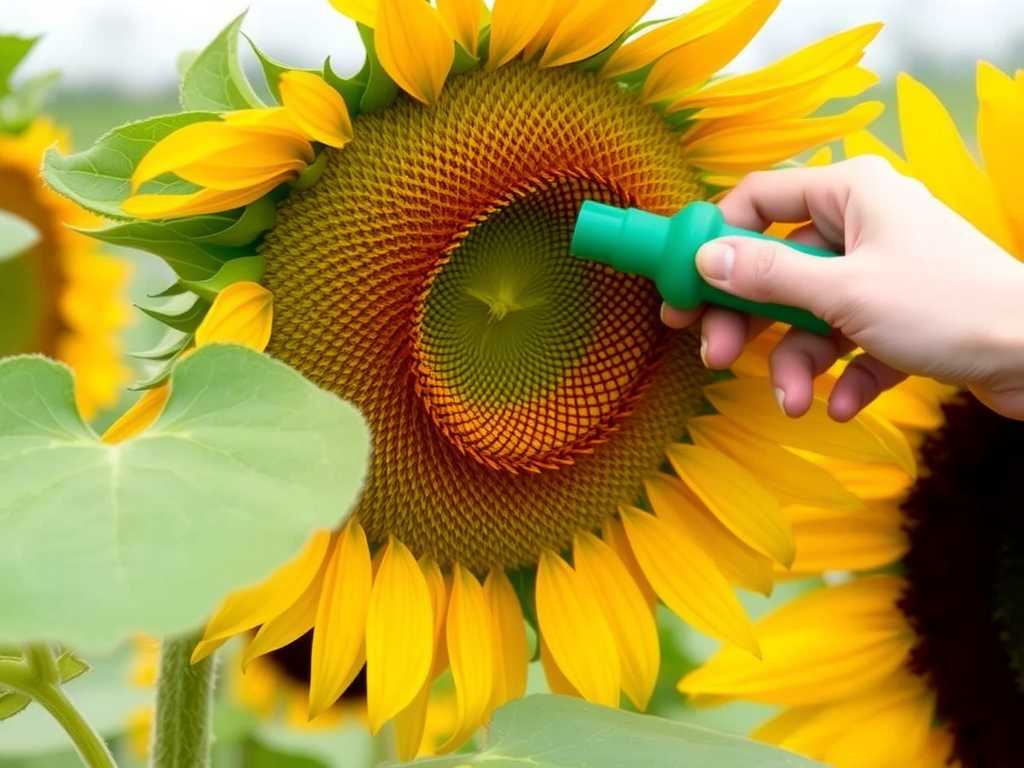
Before you start spraying anything, correct identification is crucial. I learned this the hard way. Downy mildew (Plasmopara halstedii) is a water mold, not a true fungus. It thrives in cool, wet conditions. You'll see angular, yellow patches on the top of leaves, with that telltale fluffy, purplish-gray to white growth directly underneath. It's often confused with powdery mildew, which looks like white powder on the top of leaves in warm, dry weather. The Royal Horticultural Society (RHS) notes that downy mildew can systemically infect plants, causing stunting, which makes it particularly dangerous.
Aphids, like the common green peach aphid, are soft-bodied insects that cluster on new shoots and leaf undersides. They reproduce incredibly fast. According to the American Horticultural Society Science (AHSA), a single aphid can produce dozens of offspring in a week. They excrete sticky "honeydew," which attracts ants and can lead to sooty mold. Both pests weaken the plant, reducing its ability to produce those iconic, large sunflower heads.
My Step-by-Step Rescue Plan: Week 1 - Assessment and Immediate Action
My strategy was two-pronged: tackle the immediate aphid crisis and manage the environmental conditions fueling the downy mildew.
Step 1: Isolation and Pruning First, I isolated the affected plants as best I could in my garden bed to prevent spread. Wearing gloves, I pruned away the most severely mildewed leaves—those with more than 50% coverage. I disposed of them in a sealed bag in the trash, not the compost, to avoid spreading spores. For aphids, I pinched off the worst-infested tips and dropped them into a bucket of soapy water. This immediate physical removal gave the plants a significant breather.
Step 2: The Power of the Hose For the aphids, my first treatment was a strong, targeted blast of water from my garden hose every other day. I focused on the undersides of leaves. This method, recommended by both RHS and AHSA for light infestations, knocks aphids off the plant. They often can't climb back. It was surprisingly effective on moderate clusters, but I noted it did little for the very dense colonies.
Step 3: Introducing a Homemade Insecticidal Soap Spray Where water wasn't enough, I made my own insecticidal soap. I mixed 1.5 teaspoons of a mild, pure liquid castile soap with 1 quart of warm water in a spray bottle. I tested it on a single leaf first, waited 48 hours, and saw no damage. Then, I thoroughly sprayed the plants, coating the aphid clusters and the undersides of leaves, in the cool early evening to prevent sun-scorch. This soap dissolves the aphids' protective waxy coating, dehydrating them. I applied this every 3 days.
Step 4: Adjusting Watering to Fight Downy Mildew Since downy mildew loves moisture, I completely changed my watering routine. I stopped overhead watering entirely. Instead, I used a soaker hose at the base of the plants in the morning, allowing the foliage to dry completely during the day. I also thinned nearby plants to improve air circulation. This was a critical step in making the environment less hospitable to the disease.
Week 2: Escalation, Observation, and a Critical Mistake
After one week, the aphid situation was better but not gone. The downy mildew had stopped spreading on treated plants, but new yellow spots appeared on a few I'd missed.
My Big Mistake: The Neem Oil Fiasco Hearing about neem oil as a natural fungicide and insecticide, I bought a commercial neem oil extract. Eager to combine treatments, I mixed it according to the bottle's directions and sprayed my plants in the late afternoon. Two days later, I saw leaf burn—yellowing and curling on several leaves. I realized my error: I had applied it when the temperature was still above 85°F, and I may have mixed it too strongly. Neem oil can be phytotoxic in heat or if improperly diluted.
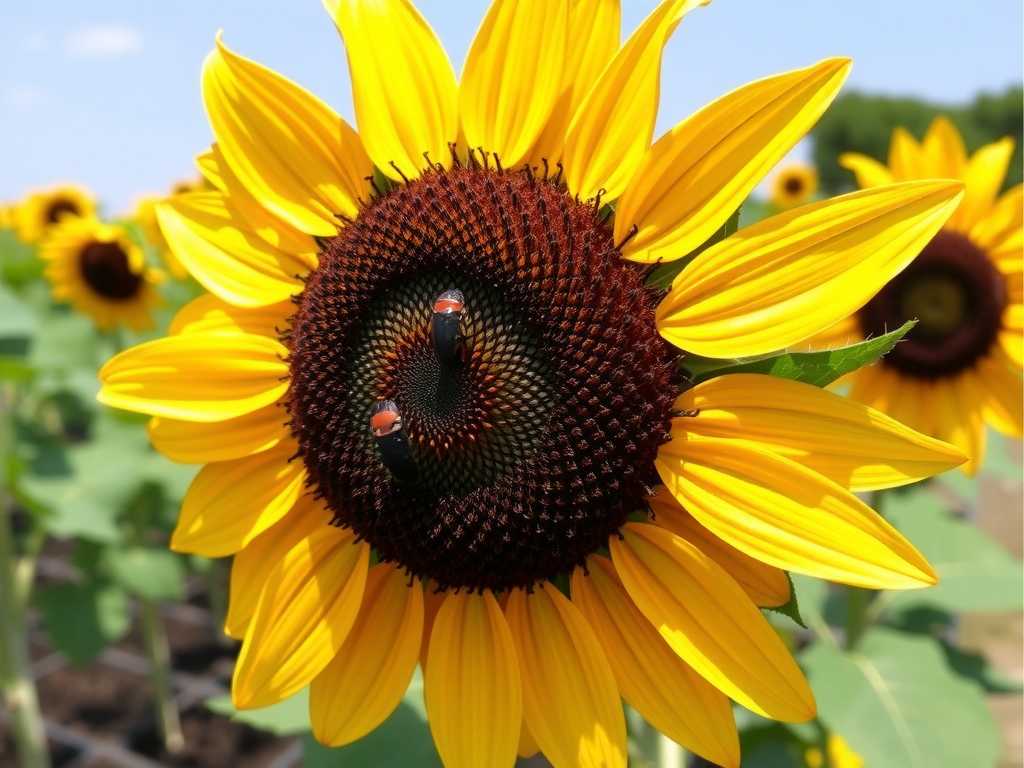
The Fix and Switch to a Copper Fungicide I immediately rinsed the plants with clean water. For the persistent downy mildew, I switched to a ready-to-use copper fungicide spray, a common organic option listed by the AHSA for managing downy mildew. Copper creates a protective barrier on the leaf surface. I applied it carefully, only to affected plants, after the sun had set and temperatures dropped. I continued the insecticidal soap for aphids, but now on alternate days from the copper spray, to minimize plant stress.
The Two-Week Results: What Actually Worked
By the end of the second week, the transformation was clear. The aphid population was reduced by about 90%. A few stragglers remained, but no dense colonies. The downy mildew's progression was completely halted. The existing yellow spots remained (damaged tissue doesn't recover), but no new spots appeared. The plants' overall vigor improved; new growth was clean and healthy. The combination of cultural controls (watering change, pruning) and targeted, timed organic sprays saved my crop.
Prevention: Building a Resilient Sunflower Patch
Winning the battle is one thing; preventing the war is better. Here’s what I do now:
- Choose Resistant Varieties: I now look for sunflower seeds labeled with downy mildew resistance.
- Practice Crop Rotation: I never plant sunflowers or related plants (like lettuce) in the same spot two years in a row.
- Promote Airflow: I space plants more generously and site them in full sun with good air movement.
- Encourage Beneficial Insects: I plant companion flowers like alyssum and marigolds to attract ladybugs and lacewings, natural aphid predators. Seeing a ladybug larva on my sunflowers is now a cause for celebration.
Will neem oil kill aphids on sunflowers? Yes, neem oil can be an effective aphid treatment when used correctly. It works as both an insecticide and a fungicide. My mistake was applying it during high temperatures, which can harm the plant. Always apply neem oil in the early morning or late evening, follow dilution instructions precisely, and do a patch test first.
Can downy mildew on sunflowers be cured? While you can't "cure" leaves already showing symptoms, you can absolutely stop the disease from spreading and save the plant. Infected leaves will retain their yellow spots. The goal is to protect new, healthy growth through environmental management (dry leaves, good airflow) and the use of protective fungicides like copper-based sprays, which prevent new spores from germinating.
How often should I check my sunflowers for these pests? During the seedling and vegetative growth stages, I make it a habit to check my sunflowers at least twice a week. Turn leaves over to inspect the undersides—this is where both downy mildew and aphids start. Early detection is the single most important factor for easy, effective control. A quick daily glance can save you weeks of trouble.
Dealing with downy mildew and aphids felt overwhelming at first, but breaking it down into clear, sequential steps made it manageable. The key takeaways are accurate identification, immediate cultural changes to the environment, and the careful, patient application of targeted treatments. Remember, gardening is a learning process. My neem oil mishap was a setback, but it taught me to always read labels and respect application conditions. With vigilance and these methods, you can protect your sunflowers and ensure a garden full of strong, healthy, and breathtaking blooms that follow the sun.