bluename
 How to Prevent Powdery Mildew and Common Aphids on Petunias: A Gardener's Battle-Tested Guide
There's nothing more disheartening for a gardener than watching your vibrant petunias, those summer stars of containers and borders, succumb to the twin terrors of powdery mildew and aphids. One day, your blooms are lush and full; the next, you spot a ghostly white film on the leaves or clusters of tiny bugs sucking the life from tender new growth. I've been there, staring at my prized 'Wave' petunias with a sinking feeling. But after years of trial, error, and a particularly intense two-week experiment in my own garden, I've developed a proactive, effective system. This guide will walk you through exactly how to prevent powdery mildew and common aphids on petunias, sharing the real steps I took, the results I observed, and the mistakes I made along the way.
Understanding Your Enemies: Powdery Mildew and Aphids
Before we jump into prevention, let's quickly identify what we're up against. Powdery mildew is a fungal disease that looks like someone dusted your petunia leaves with white or gray flour. It thrives in warm days, cool nights, and humid conditions with poor air circulation. Aphids, those tiny pear-shaped pests, come in green, black, or red. They cluster on stems and undersides of leaves, sucking sap and excreting a sticky "honeydew" that can lead to sooty mold. The key insight from the Royal Horticultural Society (RHS) is that stressed plants are more susceptible. Therefore, the cornerstone of prevention is creating an environment where your petunias are too healthy and robust for these problems to gain a foothold.
My Proactive Prevention Protocol: A Two-Week Case Study
I decided to apply a strict, integrated prevention plan on a new batch of 'Supertunia Vista Bubblegum' petunias for two full weeks, documenting everything. My goal was to stop problems before they started.
Week 1: Foundation and Environment
The battle is won or lost in the setup. I focused on cultural controls—the non-negotiable basics.
Choosing the Right Location and Plants I placed my container petunias where they receive a minimum of 6 hours of direct, full sun. Morning sun is especially crucial as it dries dew from the leaves quickly, depriving fungal spores of the moisture they need to germinate. I also made a point to select varieties noted for disease resistance when available. The American Horticultural Society (AHS) emphasizes that plant selection is the first line of defense, a point I now wholeheartedly endorse.
Mastering the Art of Watering This is where I've failed spectacularly in the past. Overhead watering is a recipe for disaster, leaving foliage wet for hours. I committed to watering at the soil level only, using a long-spout watering can directed at the potting mix. I watered deeply in the early morning, allowing the sun to dry any accidental splashes. This simple change alone dramatically alters the microclimate around your plants.
Spacing for Success I resisted the urge to overcrowd my containers. Proper spacing isn't just about aesthetics; it's critical for air flow. Good circulation around each plant helps leaves dry faster and makes it harder for pests and spores to settle. I gave each petunia room to breathe, following spacing guidelines on the plant tag.
Week 2: Reinforcement and Monitoring
With the basics in place, I added active monitoring and gentle reinforcements.
The Daily Inspection Ritual Every morning with my coffee, I spent five minutes inspecting my petunias. I turned over leaves, looked at new growth, and checked stem junctions. Early detection of a single aphid or a small patch of mildew is the key to easy intervention. This habit transforms you from a reactive gardener to a proactive one.
Introducing a Preventative Spray After consulting several resources, I opted for a weekly, gentle preventative spray. I used a homemade solution of 1 tablespoon of baking soda, 1/2 teaspoon of liquid castile soap, and 1 gallon of water. On a cool, cloudy morning, I thoroughly sprayed the foliage, covering the tops and bottoms of leaves. The baking soda creates a surface less hospitable to fungal spores, and the soap helps it adhere. Important note: I tested this on a few leaves first and waited 48 hours to check for phytotoxicity—a crucial step I learned after once damaging sensitive seedlings.
Encouraging Beneficial Insects I planted a few pots of sweet alyssum and dill nearby to attract ladybugs and lacewings, natural predators of aphids. While this is a longer-term strategy, creating a balanced ecosystem is a powerful preventive measure against aphid outbreaks.
The Results and The "Gotchas"
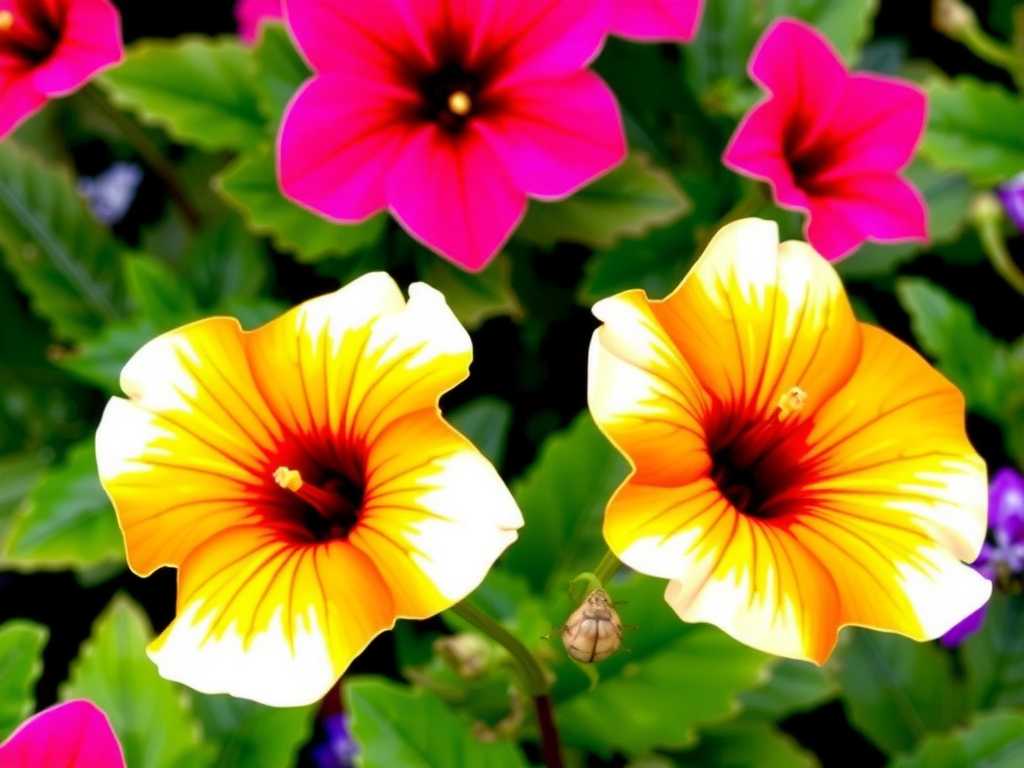
After 14 days, my petunias were not only free of powdery mildew and aphids, but they were also growing more vigorously than a control group I had planted without the protocol. The leaves were a healthier green, and bloom production was impressive. However, the journey wasn't perfectly smooth.
The Mistake I Made: Over-zealous Spraying Midway through the second week, we had an unexpected heatwave. Ignoring my own rule, I sprayed my baking soda solution in the late afternoon. The combination of strong sun and the residue on the leaves caused minor leaf scorch on a few plants—a classic case of user error. I immediately rinsed the foliage with clean water and moved forward spraying only in the early morning on calm days.
The Adjustment: Soil Health Matters I noticed one plant in a pot with older, tired potting mix was slightly less vigorous. I remembered reading that healthy soil supports healthy plants. I began incorporating a balanced, slow-release organic fertilizer at planting and followed up with a diluted liquid feed every two weeks. A well-fed petunia is a resilient petunia.
Building a Long-Term Defense Strategy
Prevention isn't a one-time task; it's a season-long mindset.
Consistent Sanitation I made it a habit to remove any fallen or yellowing leaves from the soil surface immediately. This debris can harbor fungal spores and pests. Keeping the growing area clean is a simple but highly effective tactic.
Rotating Your Treatments To prevent pests and pathogens from adapting, I rotate my preventative sprays. After a few weeks of the baking soda solution, I might use a weekly spray of neem oil (cold-pressed, following label directions), which acts as both a mild fungicide and a pest deterrent. Again, application timing is everything—always at dawn or dusk to avoid harming beneficial insects or causing sunscald.
Knowing When to Intervene Despite all prevention, you might find a few aphids. My action threshold is a small cluster. I put on a garden glove and simply squash them, or I dislodge them with a strong jet of water from my hose. For a first sign of powdery mildew, I remove the affected leaf immediately and consider increasing air circulation. The goal is to use the least invasive method first.
Your Questions, Answered
Can I use milk to prevent powdery mildew on my petunias? I have tried the milk spray method (a 40% milk to 60% water solution). Some studies and anecdotal evidence suggest it can be effective due to antimicrobial proteins. In my experience, it worked moderately well as a preventative, but I found it could sometimes leave a sour smell on the plants in hot weather. For consistency, I now prefer the baking soda or neem oil approach.
I see ants on my petunias. Does this mean I have aphids? Very often, yes. Ants "farm" aphids for their honeydew. If you see a trail of ants going up and down your petunia stems, inspect the plant carefully for aphids, especially on new buds and under leaves. Controlling the aphids will usually make the ants move on.
Are some petunia colors more susceptible to disease? In my observation, and supported by some growers, the deep purple and blue varieties can sometimes be slightly more prone to powdery mildew than lighter colors. However, this is a minor factor compared to the primary drivers: environment, care, and variety resistance. Don't avoid a color you love; just be extra vigilant with your prevention practices.
A thriving petunia display is absolutely within your reach. It requires shifting from a reactive to a proactive stance. By focusing on sun, air flow, and smart watering, you build a strong foundation. Adding simple routines like weekly inspections and gentle, rotated preventative sprays creates a powerful shield. Remember, the effort you put in during the early weeks of the season pays dividends in months of uninterrupted, glorious color. My two-week experiment cemented this: prevention is not just easier than cure; it's the secret to a truly carefree and beautiful garden.