bluename
 How to Prevent Black Rot and Scale Insects on Kalanchoes: A Gardener's Battle-Tested Guide
There's nothing more disheartening for a plant lover than watching a thriving kalanchoe suddenly succumb to mushy black stems or become encrusted with tiny, sap-sucking bumps. If you've found your way here, you're likely facing the twin terrors of black rot and scale insects. I've been there, staring at a beloved Flaming Katy that seemed healthy one week and was a soggy, infested mess the next. This guide is born from my own two-week journey of rescuing my collection, packed with the exact steps I took, the mistakes I made, and the proven solutions that brought my plants back from the brink.
Understanding Your Enemies: Black Rot vs. Scale Insects
Before you can fight a problem, you need to know what you're up against. My initial misdiagnosis cost me a precious plant, so let's get this clear from the start.
Black rot, often caused by fungi like Pythium or Phytophthora, is a fast-moving assassin. It typically starts at the soil line or on lower leaves, presenting as soft, water-soaked, black or dark brown patches. The affected tissue collapses quickly, feeling mushy to the touch. It's primarily a disease of excess—too much water, poor drainage, and cool, damp soil are its best friends.
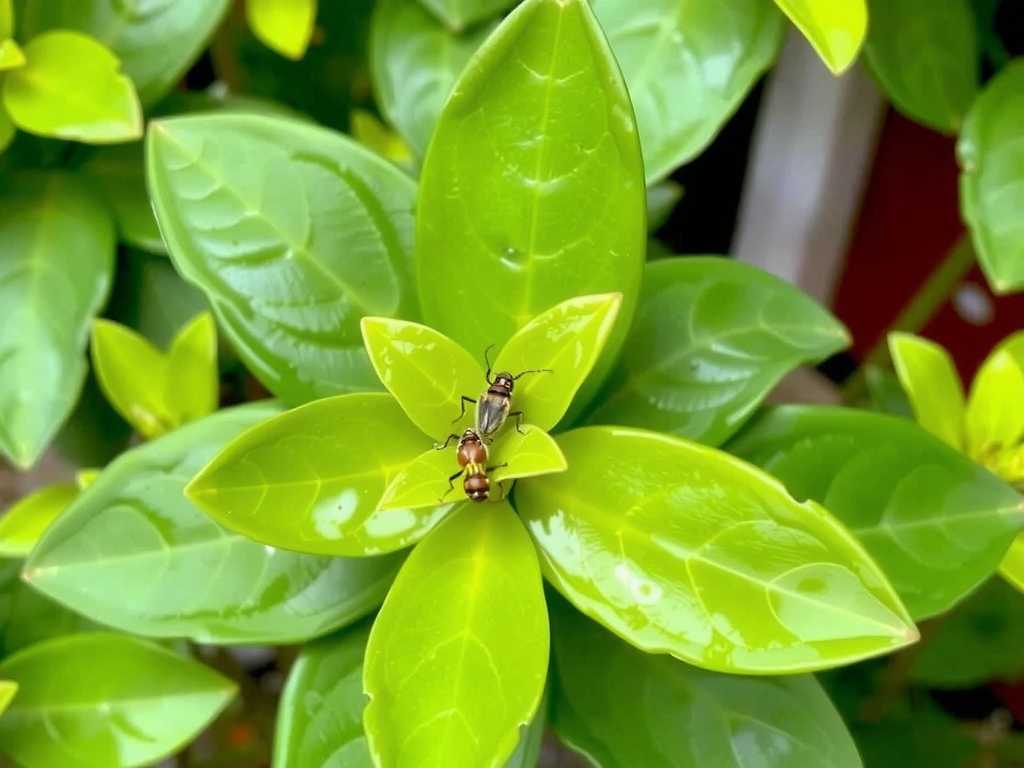
Scale insects, on the other hand, are slow, stealthy invaders. They appear as small, immobile brown, white, or tan bumps on stems and the undersides of leaves. These bumps are actually the insects' protective shells. They pierce the plant and suck out its vital juices, leading to yellowing leaves, stunted growth, and a sticky residue called honeydew, which can attract sooty mold.
I learned the hard way that these two issues can be interconnected. A plant weakened by scale infestation is far more susceptible to pathogens like black rot. My battle plan had to address both.
My 2-Week Rescue Protocol: Step-by-Step Intervention
When I discovered the issues, I immediately isolated all affected and suspect kalanchoes. Here is the exact sequence I followed, observing changes daily.
Week 1: The Critical Triage and Initial Treatment
Days 1-2: Assessment and Isolation I moved every kalanchoe to a separate quarantine area, away from my other succulents. Using sterilized pruning shears (I wipe them down with 70% isopropyl alcohol between each cut), I performed surgery on the black rot victims. I cut away all soft, blackened tissue, making clean cuts well into the healthy, firm green stem. For scale, I used a soft toothbrush dipped in soapy water (a mild insecticidal soap solution) to gently scrub off every visible bump I could find. This was tedious but crucial.
The First Mistake and Fix: I initially used a potting mix that was too moisture-retentive. The Royal Horticultural Society (RHS) advises a "very well-drained, soil-based potting compost" for succulents like kalanchoe. I switched to a mix of 50% cactus/succulent soil and 50% perlite for maximum drainage.
Days 3-5: Repotting and Root Inspection I unpotting each plant, gently shaking off all the old soil. For plants with black rot, I examined the roots meticulously, cutting away any that were dark, slimy, or mushy. I let the root balls air-dry on a rack for a full 24 hours before repotting into fresh, dry, well-draining mix in pots with excellent drainage holes. I did not water them after repotting.
Days 6-7: Initial Watering and Systemic Treatment After the roots had a chance to callous and settle, I gave the plants a very light bottom-watering. More importantly, I applied a systemic insecticide containing imidacloprid to the soil of the scale-affected plants. According to the American Horticultural Society's (AHS) resources on integrated pest management, systemic treatments can be effective against sucking insects like scale as the plant absorbs the compound. I also began a fungicide regimen for the rot-prone plants, using a copper-based fungicide as a soil drench, carefully following label instructions.
Week 2: Observation, Adjustment, and Prevention
Days 8-10: The Waiting Game This was a period of close observation. I kept the plants in bright, indirect light with good air circulation. I resisted the urge to over-love them with water. I checked daily for any new signs of rot or scale. For scale, I manually removed any stubborn or new individuals with a cotton swab dipped in rubbing alcohol.
Days 11-14: Signs of Recovery and Establishing a New Routine By the end of the second week, the plants that had been treated for black rot showed no further spread; the cut ends had calloused over. The scale-infested plants had no new "bumps" appearing, and the existing honeydew residue began to dry up. New growth looked clean and healthy.
I established my new, non-negotiable care routine:
- Watering: I only water when the soil is completely dry, and I mean bone-dry an inch down. I use the "soak and dry" method, watering thoroughly until it runs from the drainage holes, then allowing it to dry out completely.
- Light & Air: They now live in my sunniest spot with at least 6 hours of bright, indirect light. A small fan runs periodically to improve air circulation, which fungi despise.
- Regular Inspection: Every time I water, I do a quick scan of stems and leaf undersides. Early detection is everything.
Building an Unbeatable Defense: Long-Term Prevention Strategies
Prevention is infinitely easier than cure. Here’s how I’ve structured my care to ensure these problems don’t return.
Master the Art of Watering Kalanchoe Plants This is the single most important factor in preventing black rot. Kalanchoes are drought-tolerant succulents. I use a moisture meter to remove all guesswork. In winter, I might water only once every 3-4 weeks. The pot must have a drainage hole, and any saucer beneath it should be emptied promptly.
Create the Ideal Environment to Stop Fungal Growth Fungi thrive in stagnant, humid conditions. I ensure my plants are not crowded together. Good airflow around each pot is essential. I also avoid getting water on the leaves when I water, targeting the soil directly instead.
Implement a Proactive Inspection Routine for Plant Health I make it a habit. When I admire my plants (which is often!), I gently turn a leaf over or check where the leaf meets the stem. Looking for early signs of scale insects or unusual spots takes seconds but can save a plant. Quarantine any new plant for at least two weeks before introducing it to your collection.
Choosing and Maintaining the Right Soil Mix As mentioned, a gritty, fast-draining mix is non-negotiable. I refresh the top layer of soil annually and repot completely every two years to prevent salt buildup and maintain soil structure. The RHS emphasizes that good soil physics—ensuring aeration and drainage—is as vital as the chemical composition.
Your Questions, Answered
Can a kalanchoe recover from severe black rot? It depends on how far the rot has spread. If the stem is mushy and black more than halfway up the plant, recovery is unlikely. However, if you catch it early and can make a clean cut above all the rot into healthy tissue, you can let the cutting callous for a few days and then re-root it in fresh, dry soil. This is how I salvaged the top portion of my most severely affected plant.
Are natural remedies effective against scale on succulents? For light infestations, yes. My initial scrubbing with insecticidal soap and follow-ups with rubbing alcohol on cotton swabs were effective for visible scale. However, for a persistent or widespread infestation, the scale insect's waxy shell makes it very resistant to topical sprays. This is why I incorporated a systemic treatment; it deals with the crawler stage and insects you can't see. Neem oil can be part of a preventative spray routine but may need repeated, thorough applications.
How often should I treat my plants as a preventative measure? I do not recommend routinely using pesticides or fungicides on a healthy plant. The best prevention is proper cultural care: correct watering, ample light, and good airflow. I only apply a fungicide as a preventative if conditions have been persistently damp and cool, or if I've had a previous outbreak nearby. For pests, vigilance and immediate physical removal of any scale I spot is my primary strategy. The AHS promotes an integrated approach that starts with the least toxic method, escalating only as needed.
Winning the war against black rot and scale on your kalanchoes comes down to a blend of swift action, correct diagnosis, and a steadfast commitment to preventative care. My two-week rescue mission taught me that these plants are resilient when given the right conditions. By mastering the soak-and-dry watering method, providing bright light and airflow, and making weekly inspections a simple habit, you create an environment where these common problems simply can't gain a foothold. Your reward will be a collection of vibrant, flowering kalanchoes that thrive for years to come.