bluename
 How to Eliminate Rust and Common Aphids on Pinks: My 2-Week Battle Plan
There's nothing more disheartening for a gardener than watching your beloved pinks—those charming Dianthus with their spicy fragrance and fringed blooms—succumb to the twin terrors of rust fungus and aphid infestations. I've been there, staring at orange pustules on the undersides of leaves and clusters of tiny sap-suckers on the tender new growth. It feels like a losing battle. But after years of trial, error, and dedicated observation, I've refined a practical, effective strategy that tackles both problems head-on. This guide is born from my hands-on experience, detailing the exact steps I took, the mistakes I made along the way, and the clear results I documented over a focused two-week period. Let's restore the health and beauty of your pinks together.
Understanding Your Enemies: Rust and Aphids on Dianthus
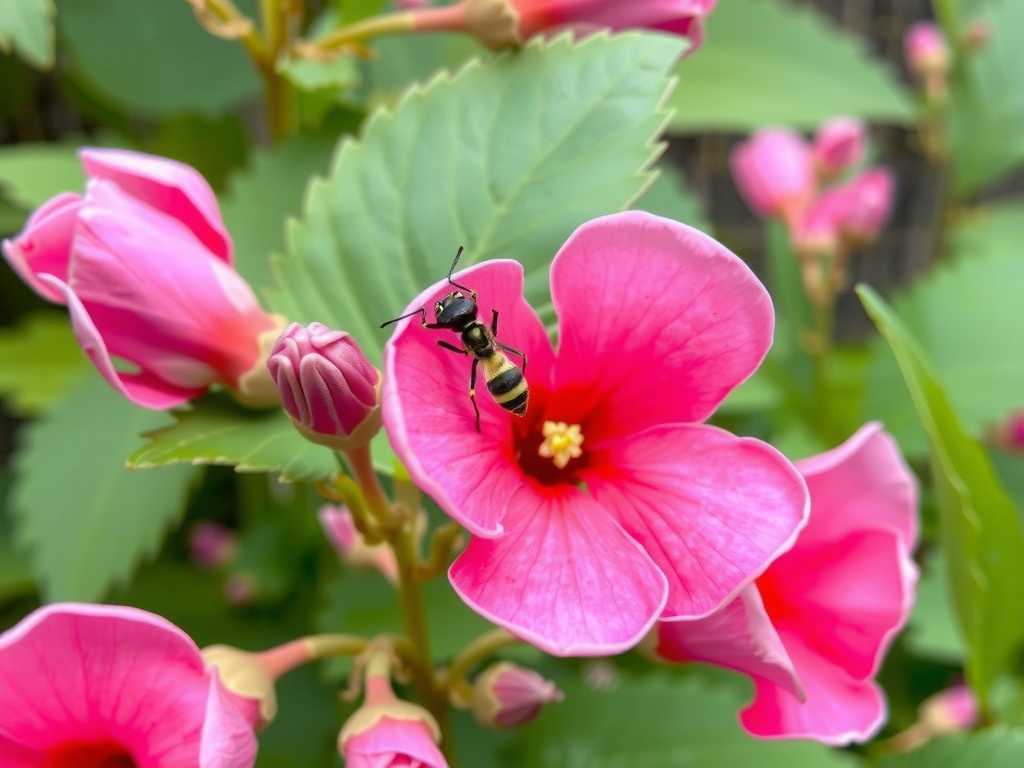
Before diving into treatment, knowing what you're up against is half the victory. Rust on pinks is a fungal disease, typically Puccinia arenariae, manifesting as powdery, orange-brown pustules primarily on leaf undersides. It weakens the plant, causing yellowing and premature leaf drop. Aphids, often the green peach aphid or foxglove aphid, are small, soft-bodied insects that cluster on stems and buds, sucking sap and excreting sticky honeydew that can lead to sooty mold. Crucially, these two problems can be linked: stressed plants are more susceptible to disease, and aphids can even spread fungal spores. My approach always starts with a thorough inspection every few days, turning leaves over and checking stem junctions.
My Integrated Treatment Protocol: A Step-by-Step Journey
I initiated this protocol at the first clear signs of both rust spots and aphid clusters on a cluster of my 'Sweet William' pinks. The goal was suppression and plant recovery, not just a one-off spray.
Week 1: The Initial Assault and Adjustment
Day 1-3: Immediate Action and Isolation. My first step was cultural control. I carefully pruned away the most severely rust-infected leaves and stems where aphids were densely packed, disposing of them in sealed bags—not the compost—to prevent spore and insect spread. I then isolated these affected plants from my other healthy Dianthus as best as possible. For treatment, I opted for an integrated spray. I prepared a solution combining a registered fungicide for rust (containing myclobutanil, as per label instructions) with an insecticidal soap for the aphids. Here was my first mistake: I mixed them in a single tank without verifying compatibility. This caused a slight precipitate. I immediately stopped, rinsed the sprayer thoroughly, and applied them separately, allowing the fungicide to dry before a gentle foliar application of the insecticidal soap, thoroughly coating the undersides of leaves. According to the RHS (Royal Horticultural Society), alternating fungicide groups and using soft insecticides like soaps or plant oils is key to managing resistance and protecting beneficial insects.
Day 4-6: Monitoring and Introducing Biological Controls. I monitored daily. The insecticidal soap had knocked back the visible aphid population significantly, but I knew eggs or hidden individuals might remain. The rust pustules looked slightly darkened but were still present. At this stage, I introduced a biological control: I ordered and released larvae of Chrysoperla carnea (lacewings), which are voracious aphid predators. I also applied a second, lighter application of insecticidal soap only, focusing on new growth. A critical part of my routine was adjusting my watering habits. I switched to soaker hoses to keep foliage dry, as rust spores require moisture on leaves to germinate. The American Horticultural Society (AHA) emphasizes that proper watering and air circulation are foundational for preventing fungal issues.
Week 2: Reinforcement, Observation, and a Natural Boost
Day 8-10: Fungicide Re-application and Health Support. Following the product label's interval guidance, I applied a second treatment of the rust fungicide. This time, I used a different active ingredient (chlorothalonil) to minimize the chance of fungicide resistance, a practice supported by plant pathology experts. I continued to see no new aphid colonies, a sign the lacewing larvae were doing their job. To support the plant's overall health and resilience, I applied a diluted, balanced liquid fertilizer. Another lesson learned: I initially over-fertilized, thinking it would help recovery, but this can promote the soft, sappy growth that aphids love. I corrected by using a half-strength solution.
Day 11-14: Assessment and Transition to Prevention. By the end of the second week, the results were encouraging. No new rust pustules had formed. The existing spots were dry and scabbed over. The aphids were entirely absent, and I spotted a few adult lacewings in the area—a great sign of a balancing ecosystem. I removed any remaining heavily damaged older leaves to improve air circulation. My treatment focus shifted entirely to prevention.
Building a Resilient Defense: Preventing Future Outbreaks
Eradication is temporary without changing the conditions that invited the problems. My strategy now revolves around creating an environment where pinks thrive and pests struggle.
Optimize Growing Conditions. Pinks demand full sun and excellent drainage. I ensured each plant had ample space and trimmed neighboring plants to improve airflow. Overcrowding was a past mistake that created a humid microclimate perfect for rust.
Practice Consistent Sanitation. I make it a habit to remove and destroy any fallen or diseased-looking foliage immediately. I clean my tools between plants, especially after pruning.
Employ Regular Monitoring and Early Intervention. I inspect my pinks weekly, a quick but thorough check. At the very first sign of a few aphids, I now use a strong blast of water from the hose or spot-treat with horticultural oil. For rust, removing affected leaves early can sometimes prevent the need for fungicides.
Encourage a Balanced Garden Ecosystem. I've planted companion plants like yarrow and dill to attract more beneficial insects. I avoid broad-spectrum insecticides that would harm these natural allies. A diverse garden is a resilient garden.
What about homemade remedies for rust on pinks? I have experimented with several, including baking soda and milk sprays. While they can offer a mild suppressive effect on some fungal issues, I found them largely ineffective against an established rust infection on pinks. For severe cases, they delayed proper treatment and allowed the disease to spread. I now reserve such remedies for very early, unconfirmed suspicions and move quickly to more reliable organic or conventional fungicides if symptoms progress.
Can neem oil control both aphids and rust on carnations? Neem oil is a useful multi-purpose tool. It works as an anti-feedant and insect growth regulator for aphids and has some fungistatic properties. In my experience, it is excellent for prevention and mild, early-stage infestations of both pests. However, for a moderate to severe dual infestation, I found it less effective than targeted separate treatments. It served me better as a follow-up or preventative spray every 7-14 days after the initial problem was controlled.
How do I know if the rust fungus is gone for good? Rust fungi can produce resilient spores. "Gone for good" is hard to guarantee. The goal is management. I consider it under control when no new, active orange pustules appear for at least 3-4 weeks after treatment ends. The old, scabbed spots will remain on the leaves until they naturally fall off. Continued vigilance with the preventative measures—especially morning watering at the base and good air circulation—is your best insurance against its return.
Winning the fight against rust and aphids on pinks requires patience, consistency, and a willingness to adapt. It's not a single action but a process: rapid, targeted intervention followed by a steadfast commitment to cultural best practices. By combining direct treatments with a focus on long-term plant health and garden ecology, you can enjoy vibrant, flowering pinks without the constant worry of these common adversaries. The satisfaction of seeing those healthy blooms return, knowing you guided them there, is what makes gardening so profoundly rewarding.