bluename
 How to Eliminate Black Rot and Scale Insects on Succulents: My 2-Week Rescue Mission
There’s nothing more heartbreaking for a succulent lover than seeing a prized plant suddenly develop mushy, blackened stems or finding tiny, stubborn bumps clinging to its leaves. If you’re frantically searching for how to save your plants from these twin terrors, you’ve come to the right place. I’ve been there, staring down a beloved Echeveria with black rot and a Haworthia crawling with scale insects. Through trial, error, and a lot of patience, I developed a clear, step-by-step battle plan. This guide isn’t just theory; it’s my documented, two-week journey from diagnosis to recovery, including the mistakes I made and how I fixed them. Let’s get your succulents healthy again.
Understanding Your Enemies: Black Rot vs. Scale Insects
Before you can fight, you need to know what you’re dealing with. These two problems are very different but can sometimes appear together, especially since scale insects weaken plants, making them more susceptible to diseases like rot.
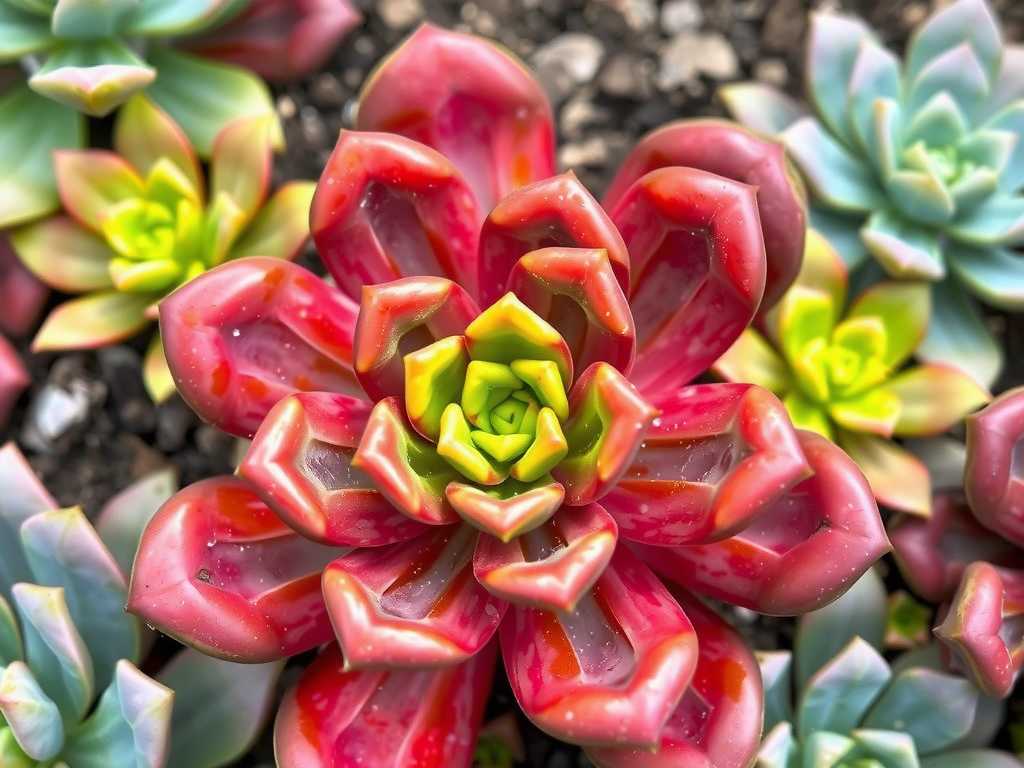
Black Rot: The Silent Assassin Black rot is typically caused by fungal pathogens like Pythium or Phytophthora. It thrives in overly moist conditions. You’ll first notice soft, dark, often water-soaked spots at the stem base or on lower leaves. It spreads rapidly, turning tissues mushy and black. According to the American Horticultural Society (AHS), these soil-borne pathogens are most active in wet, poorly draining mediums and can decimate a collection if not isolated immediately.
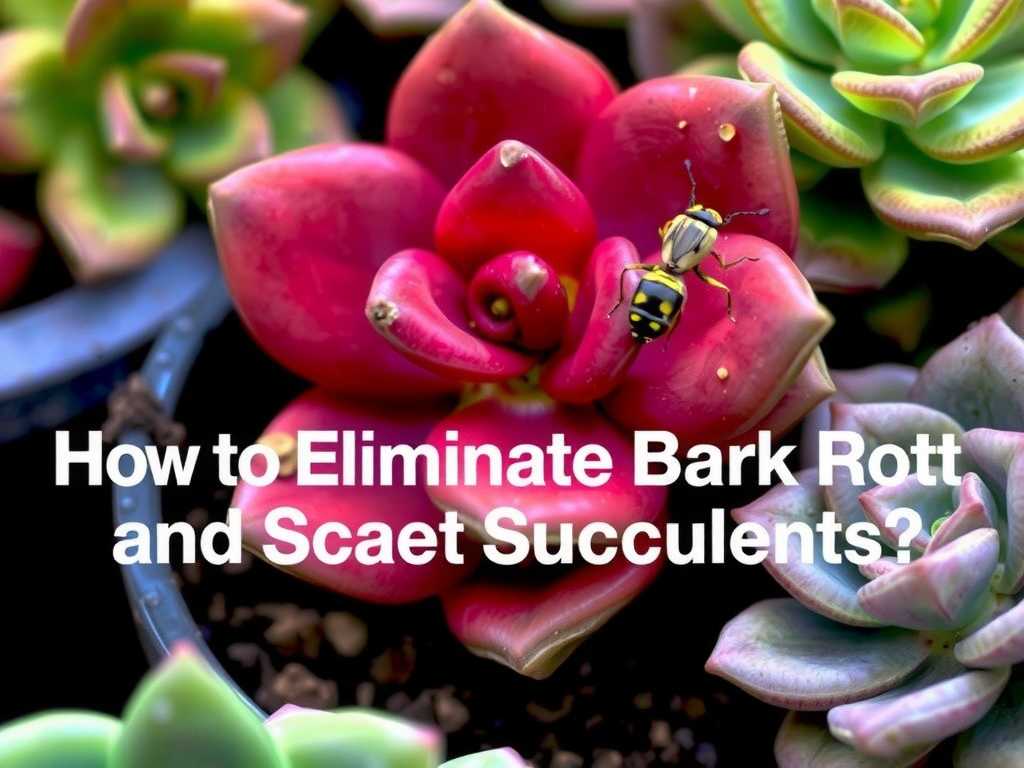
Scale Insects: The Stubborn Squatters Scale insects are sap-sucking pests that attach themselves to leaves and stems, forming protective, waxy shells. They look like small, flat, brown or white bumps. They drain the plant’s vitality, causing yellowing, stunted growth, and a sticky residue called honeydew, which can lead to sooty mold. The Royal Horticultural Society (RHS) notes that scale is particularly problematic on indoor plants and succulents with tight rosettes where they can hide.
My Step-by-Step Rescue Protocol: Isolation and Diagnosis
The moment I spotted trouble, I enacted a strict quarantine. This is non-negotiable.
- Immediate Isolation: I moved the infected plants to a separate room, away from all others. I used a different set of tools for them and washed my hands after handling.
- Full Assessment: I gently inspected every leaf, stem, and the soil surface. The Echeveria had a soft, dark base—classic black rot on succulents. The Haworthia had clusters of brown bumps along its leaf seams and a sticky film—a clear scale insect infestation.
Phase One: Eradicating Black Rot
This is a race against time. Rot can kill a plant in days.
Step 1: Surgical Removal I gathered a sharp, sterilized knife (I wiped it with isopropyl alcohol), fresh potting mix, and a clean pot. I un-potted the Echeveria and gently brushed away all soil. The damage was worse below the surface. Using the knife, I cut cleanly about an inch above the highest visible black or mushy tissue. I had to be ruthless; leaving any infected tissue behind guarantees failure. I made a single, smooth cut. The remaining healthy stem had a clean, green center.
The Mistake I Made (And How I Fixed It): On my first attempt, I only removed the visibly black part. Two days later, the rot had progressed up the stem. I had to re-cut, losing more of the plant. The fix is to cut well into healthy, firm tissue. It’s better to have a shorter, healthy plant than a tall, dead one.
Step 2: Drying and Callousing I placed the decapitated rosette in a dry, shaded, airy spot. This is critical. The cut end must form a hard, dry callus, which acts as a barrier against reinfection. This took 4 full days in my environment. Impatience here is a killer—potting too soon invites the rot right back.
Step 3: Replanting and the “Dry Wait” Once fully calloused, I planted it in a dry, fast-draining succulent mix (I use a 50/50 blend of potting soil and perlite). Here’s the crucial part: I did not water it. I placed it in bright, indirect light and waited. For a full week, I resisted the urge to water. This allows new roots to seek out moisture without sitting in damp soil.
My 2-Week Observation Log for Black Rot:
- Days 1-4: Callousing phase. The rosette looked slightly thirsty (leaves softer), but the cut end hardened perfectly.
- Days 5-11: Post-planting dry period. The plant looked more wrinkled. This was scary, but normal. I checked gently after 7 days by giving a micro tug; there was slight resistance—a sign of initial root growth!
- Day 12: I gave it its first light watering, just moistening the soil around the stem.
- Day 14: The plant was firmer, the wrinkles were plumping out, and it showed no signs of new black spots. Success was in sight.
Phase Two: Conquering Scale Insects
Scale requires a persistent, multi-pronged approach because of their protective shells.
Step 1: Manual Removal I took a cotton swab dipped in 70% isopropyl alcohol and dabbed it directly on every single scale insect I could see. The alcohol dissolves their waxy coating and kills them on contact. For larger clusters, I used a soft toothbrush dipped in alcohol to gently scrub. I did this over a tray to catch falling bugs.
Step 2: The Thorough Wash After spot-treating, I gave the entire plant a shower. I took it to the sink, shielded the soil with a plastic bag, and sprayed all leaves and stems with a lukewarm, strong stream of water to dislodge any young, unseen crawlers. I let it dry completely in good airflow.
Step 3: Applying a Systemic Insecticide (The Game-Changer) Manual removal alone is rarely enough for a severe succulent pest control problem like this. Following RHS guidance on persistent pests, I used a systemic insecticide containing imidacloprid. I applied it as a soil drench according to label instructions. The plant absorbs this, making its sap toxic to sucking insects. This tackles the hidden crawlers and eggs that manual methods miss.
The Mistake I Made (And How I Fixed It): I only did the alcohol treatment once. A week later, I saw new, smaller bumps—the next generation had hatched. The fix was a strict, repeated schedule. The systemic treatment was my backup to break this cycle.
My 2-Week Observation Log for Scale Insects:
- Days 1-3: After manual removal and wash, the plant looked clean but stressed.
- Days 4-7: I inspected daily with a magnifying glass. On Day 5, I spotted a few new, tiny scales and immediately dabbed them with alcohol.
- Days 8-14: The systemic insecticide had clearly taken effect. No new scales appeared after Day 10. The sticky honeydew residue dried up and was gently wiped away. New growth at the center looked clean and healthy.
Prevention: Building a Fortress Against Future Attacks
Winning the battle is pointless if you lose the war. Here’s how I changed my care routine to prevent recurrence, aligning with best practices from AHS on plant health:
- Watering Wisdom: I now water only when the soil is completely dry, and I never let water sit in the rosette. I use a watering can with a long spout to target the soil, not the plant.
- The Right Soil and Pot: Every succulent is in a pot with a drainage hole and my gritty soil mix. This is the best defense against black rot.
- Regular Inspections: Every weekend, I do a quick “plant check-up,” looking under leaves and near stems. Early detection makes any problem 90% easier to solve.
- Optimal Airflow: I rearranged my collection to ensure plants aren’t crowded. Good airflow keeps leaves dry and discourages pests and fungi.
How often should I check my succulents for these problems? Make it a weekly habit during your regular watering check. Look at the stem base, under leaves, and in the tight centers of rosettes. A one-minute inspection can save a plant.
Can I use neem oil for scale on succulents? Yes, but with caution. Neem oil is a good organic option for treating scale on succulents. However, succulents can be sensitive to oil-based treatments, especially in direct sun, which can cause burns. Always test on a small area first, apply in the evening, and keep the plant out of direct sun until the oil dries completely.
My succulent stem is completely black and mushy. Is it too late? If the rot has reached the entire stem and all leaves, the plant may not be salvageable. However, if there are still healthy leaves at the top, you can try leaf propagation. Gently twist off a healthy, plump leaf, let it callous for a few days, then place it on dry soil. With time, it may grow a new plantlet. It’s a slower process, but it can bring life from a lost cause.
Seeing your succulents overcome black rot and scale insects is incredibly rewarding. It requires swift action, a steady hand, and consistent follow-up. The key takeaways from my two-week mission are simple: isolate immediately, be aggressive with rot removal, be persistent with scale treatments, and change the environment that allowed the problems to start. By combining hands-on techniques with supportive treatments like systemic insecticide and mastering your watering routine, you build a resilient collection. Don’t be discouraged by setbacks—I certainly had them. Each challenge makes you a more observant and capable plant caretaker. Your succulents can bounce back healthier than ever.