bluename
 How to Effectively Prevent Bulb Rot Diseases in Hyacinths: A Gardener's Proven Guide
There's nothing more disheartening for a plant lover than eagerly planting a plump, healthy hyacinth bulb, only to watch it succumb to a mushy, foul-smelling demise before it ever has a chance to bloom. If you've ever lost a hyacinth to bulb rot, you know the frustration. I've been there, staring at a pot of promising soil that hid a disappointing secret below. After several seasons of trial, error, and dedicated observation, I've refined a system that effectively prevents these devastating diseases. This guide is born from my hands-on experience, including the mistakes I made and the solutions I found over a focused, two-week monitoring period that turned my success rate around.
Understanding the Enemy: What Causes Hyacinth Bulb Rot?
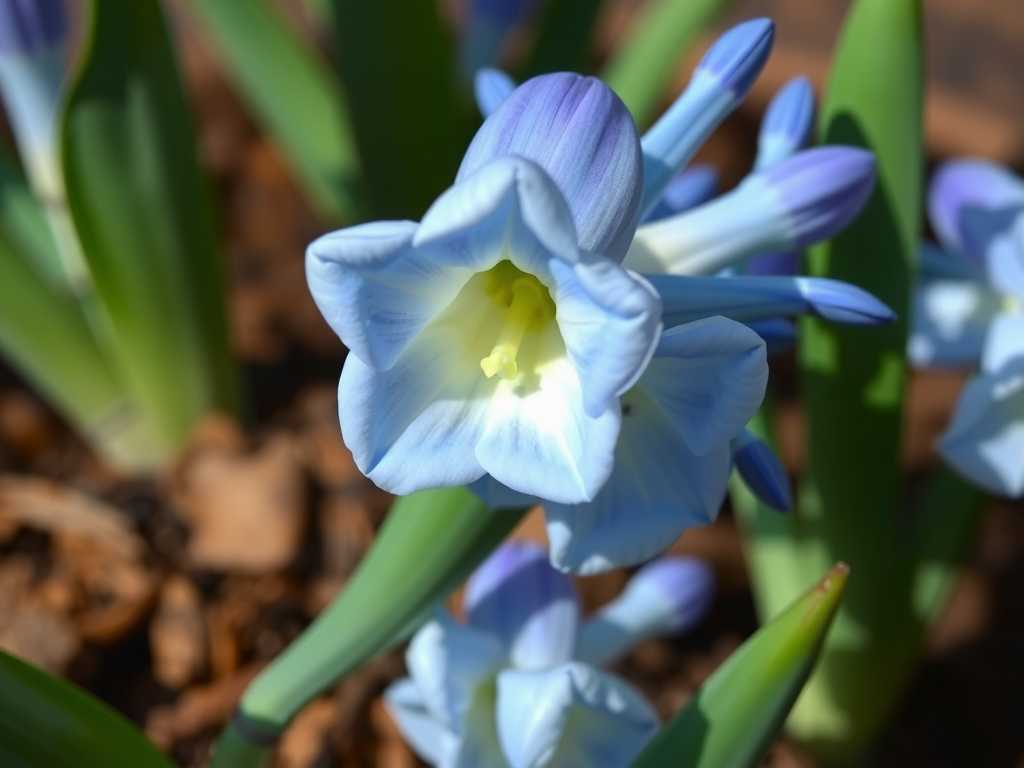
Before we can prevent rot, we need to understand what we're fighting. Bulb rot in hyacinths is primarily caused by fungal pathogens like Fusarium, Pythium, and Botrytis, or sometimes bacteria. These organisms thrive in specific conditions we often unintentionally create. The Royal Horticultural Society (RHS) consistently notes that poor drainage and overly wet soil are the primary culprits behind most bulb rot issues. It’s not just about overwatering once; it's about creating an environment where moisture stagnates around the bulb, suffocating it and inviting pathogens to feast.
My own early mistake was assuming "more water equals faster growth." I learned the hard way that a hyacinth bulb is a self-contained storage unit, packed with the energy it needs to grow. Our job isn't to feed it constant water, but to provide the right conditions for it to use its own resources without interference from rot.
My Step-by-Step Prevention Protocol: From Selection to Aftercare
This is the exact process I follow now, a protocol developed after losing a batch of 'Blue Jacket' hyacinths to a nasty case of basal rot.
Choosing the First Line of Defense: The Bulb Itself
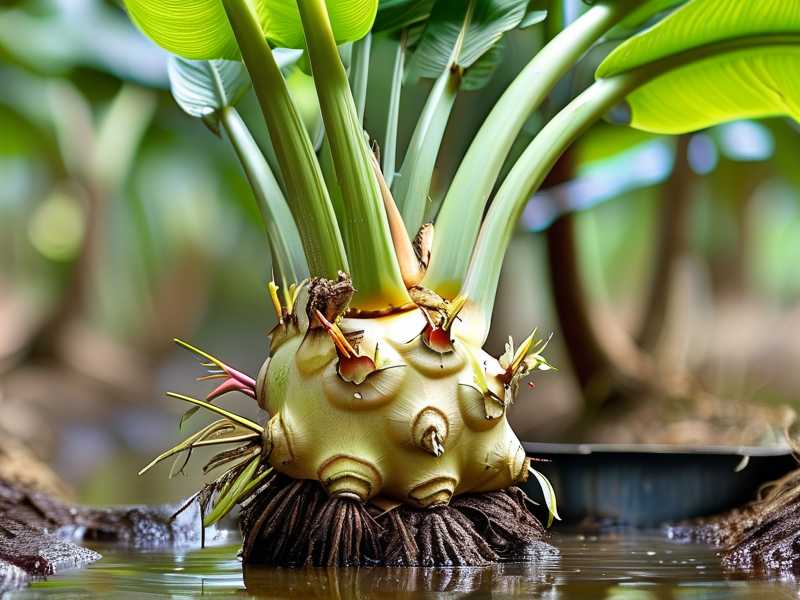
Prevention starts at the point of purchase. I no longer just grab any bulb from the bin. I meticulously inspect each one, applying the "firm and flawless" rule. A healthy hyacinth bulb should feel solid and heavy for its size, like a dense onion. The papery tunic (outer skin) should be intact and free of visible damage, mold, or soft spots. I gently squeeze the base; any sponginess is an immediate reject. I also look for bulbs that show no signs of blue or green penicillium mold (a common storage issue) on their surface. According to the American Horticultural Society (AHA), starting with disease-free planting material is the single most effective step in preventing garden problems, and I can't agree more.
Pre-Planting Treatment: A Simple Disinfection Dip
Even with perfect-looking bulbs, I take an extra precaution. I prepare a mild fungicide bath using a product containing thiophanate-methyl, following the label instructions carefully. For a more organic approach, a 10-minute soak in a 1:9 solution of household hydrogen peroxide (3%) to water is an excellent alternative I've used with success. This step eliminates any surface spores that might be clinging on, waiting for the right conditions. I let the bulbs air-dry completely on a rack for about an hour before planting. This was a game-changer in my routine.
Engineering the Perfect Environment: Soil and Potting
This is where I made my most critical error in the past: using dense, water-retentive garden soil in a pot without adequate drainage. Now, my mix is unequivocal. I use a well-draining, sterile potting mix specifically formulated for bulbs or containers. To further enhance drainage—a key factor in effectively preventing bulb rot—I amend the mix with roughly 25% by volume of perlite or coarse horticultural sand. I always, without exception, use pots with multiple drainage holes. I even place a small piece of broken pottery or a mesh screen over the holes to prevent soil washout while ensuring water can escape freely.
The Art of Planting: Depth, Spacing, and Orientation
Planting depth is crucial. The general rule is to plant hyacinth bulbs at a depth of about three times their height. For most standard hyacinths, this means 4-6 inches deep. Planting too shallow exposes them to temperature fluctuations and physical damage; too deep can stress them and slow emergence. I space bulbs at least 3 inches apart to ensure good air circulation around each one. I always plant them with the pointed end (the nose) up and the flattened, sometimes root-scarred, basal plate down. Proper positioning ensures the stem grows straight up and the roots develop downward efficiently.
The Watering Tightrope: My Two-Week Observation Journal
Watering is the make-or-break factor. Here’s my detailed log from the first critical two weeks after planting a batch of 'Carnegie' white hyacinths:
- Day 1 (Planting Day): After potting, I watered the soil thoroughly until water ran freely from the bottom holes. My goal was to settle the soil and initiate root growth. The pot was then placed in a cool, dark space (my garage, which stays around 48°F / 9°C) for the rooting period.
- Day 3: I checked the soil moisture by inserting my finger about 2 inches deep. It was still cool and slightly moist. No watering needed. The surface looked dry, which is a good sign—it means moisture isn't sitting at the top near the bulb neck.
- Day 6: Finger test again. The soil was just barely moist at the 2-inch depth. I gave a very light watering, directing it around the edges of the pot, not directly on the bulb locations. I used perhaps a quarter cup of water per pot.
- Day 9: This is where I used to panic and overwater, thinking "nothing is happening!" I resisted. The soil was dry at the fingertip. I performed the "pot lift test": a dry pot feels significantly lighter than a watered one. Confirming it was light, I watered lightly again, similar to Day 6.
- Day 12: I noticed the first tiny, white root tips just beginning to peek out of the drainage holes! This was the sign I was waiting for—proof the bulbs were active and healthy, not rotting. The soil moisture was perfect.
- Day 14: Continued light watering based on the pot's weight. The roots were more visible. No foul odor, no mushy feel when I gently brushed aside a tiny bit of soil at the edge to check a bulb's shoulder.
The key takeaway from my two-week observation was that hyacinths need consistent slight moisture during root establishment, not constant wetness. The goal is to encourage roots to seek out water, not drown them in it.
Ongoing Vigilance and Environmental Control
Once shoots appear and I move the pots to a brighter, cooler room, I adjust watering to a more regular schedule, but always based on the soil's dryness. I ensure the plants have excellent air circulation to keep foliage dry and prevent Botrytis (gray mold). I avoid watering from above, which can pool in the crown of the leaves; bottom-watering by placing the pot in a saucer of water for 15 minutes is a superior method I now swear by.
Troubleshooting: The Pitfalls I Encountered and How I Fixed Them
My biggest pitfall was "loving them to death" with water. The fix was adopting the finger-test and pot-lift method, trusting the process. Another issue was re-using old potting soil, which can harbor pathogens. I now always use fresh, sterile mix for bulbs. I also once stored bulbs in a sealed plastic bag in a warm place before planting, which encouraged mold. The correct method is to store them in a cool, dry, well-ventilated paper bag until planting time.
Can I save a hyacinth bulb once it shows signs of rot? If the rot is minor and localized (a small soft spot), you can sometimes perform "bulb surgery." Using a clean, sharp knife sterilized with rubbing alcohol, cut away all the soft, discolored tissue until only firm, white or cream-colored flesh remains. Dust the wound with sulfur powder or cinnamon (a natural antifungal) and let it cure in a dry, airy place for a day or two before planting in fresh, dry mix. However, if the rot has affected the basal plate or the core of the bulb, it's best to discard it to protect your other plants.
Is it safe to plant hyacinths in the ground, and does the prevention method differ? Absolutely, hyacinths thrive in garden beds. The core principles are identical: excellent drainage is paramount. Amend heavy clay soil with generous amounts of compost and grit. Plant at the correct depth and ensure the planting site doesn't collect standing water. The advantage in-ground is often better natural drainage and temperature regulation.
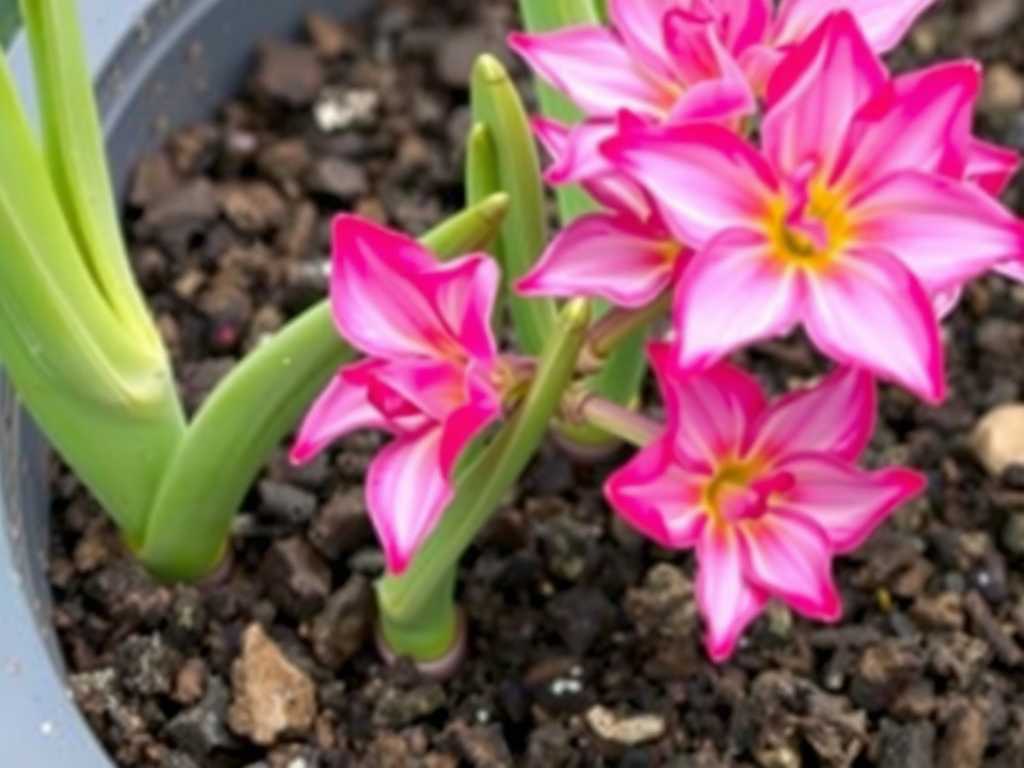
Why did my hyacinth bulb rot even though I barely watered it? This happened to me once and taught me about soil composition. If your potting mix is too fine or compacted, even a small amount of water can become trapped, creating a waterlogged pocket around the bulb. This underscores why a coarse, free-draining mix is non-negotiable. Also, check if a saucer is trapping water underneath the pot; always empty it after watering.
Preventing hyacinth bulb rot isn't about having a green thumb—it's about applying mindful, science-backed practices. It hinges on selecting vigorous bulbs, engineering a fast-draining environment, and mastering restrained, observant watering. By understanding that the bulb itself holds all the potential, and our role is simply to guard that potential from fungal and bacterial threats, we can consistently enjoy the spectacular, fragrant blooms of healthy hyacinths season after season. The process requires a bit of patience and a lot of restraint, but the reward of vibrant, healthy spikes is undoubtedly worth it.