bluename
 How to Remove Downy Mildew and Common Aphids on Corn Poppies: A Gardener's Battle-Tested Guide
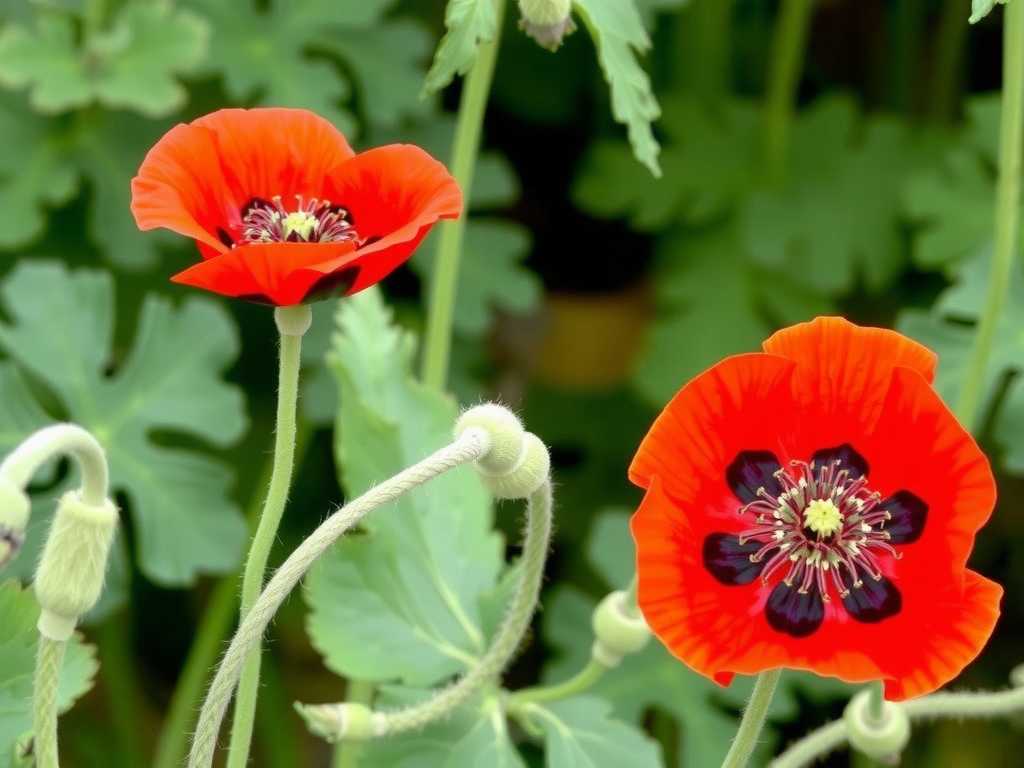
There's nothing quite as disheartening as watching your vibrant corn poppies, those symbols of delicate beauty, succumb to the silent creep of downy mildew or become overrun by clusters of sap-sucking aphids. I've been there, staring at fuzzy greyish-white patches on the undersides of leaves or the distorted, sticky new growth. If you're facing this, know that you're not alone, and more importantly, it's a fight you can win. Over the years of cultivating my own cottage garden, I've developed a practical, step-by-step approach to tackling these two common adversaries of Papaver rhoeas. This guide will walk you through exactly how I removed downy mildew and controlled aphid infestations on my corn poppies, based on two weeks of diligent observation and intervention.
Understanding Your Enemies: Downy Mildew and Aphids
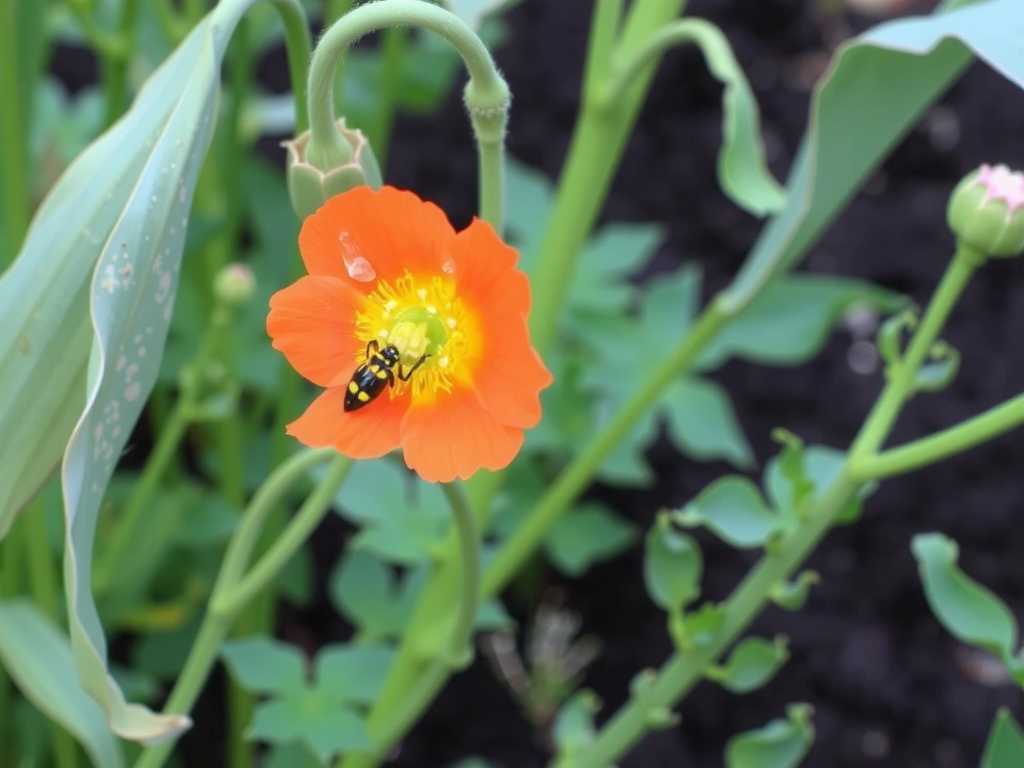
Before diving into solutions, knowing what you're dealing with is half the battle. Downy mildew on poppies is not a true fungus but a water mold (Peronospora sp.). It thrives in cool, wet, and humid conditions, manifesting as angular, yellow or pale green patches on the upper leaf surfaces, with a tell-tale downy, purplish-grey to white fuzz directly beneath. It weakens the plant, leading to stunted growth and leaf drop.
Common aphids, like the green peach aphid, are tiny, soft-bodied insects that cluster on new shoots and buds. They pierce plant tissues to feed on sap, excreting a sticky "honeydew" that can lead to sooty mold. Their feeding causes curling and distortion of leaves and can transmit viruses.
My Two-Week Treatment Protocol for a Dual Infestation
I discovered both issues early one spring after a period of damp weather. A few plants showed the classic signs of downy mildew, while nearby, clusters of aphids were just starting to gather. Here was my action plan, executed over a critical 14-day period.
Week 1: Immediate Action and Isolation
The moment I confirmed the problems, I knew speed and precision were key.
-
Step 1: Isolation and Pruning. I immediately isolated the affected plants as best I could in the garden bed. Using sanitized pruning shears (I wipe them with isopropyl alcohol between cuts), I removed the most severely mildewed leaves and any stems heavily coated with aphids. I placed all this debris directly into a sealed bag for the trash, not the compost, to prevent spores and insects from spreading. The Royal Horticultural Society (RHS) emphasizes the critical importance of removing and destroying infected plant material as a first line of defense, a step I found absolutely crucial.
-
Step 2: Initial Treatment Application. For the downy mildew, I prepared a fungicide spray. Based on research and recommendations from resources like the American Horticultural Society's pest management guides, I opted for a copper-based fungicide, known for its effectiveness against water molds. I mixed it precisely according to label instructions—a common pitfall is over-concentration, which can harm plants. For the aphids, I started with a strong physical intervention. I mixed a simple insecticidal soap solution (1.5 teaspoons of mild liquid soap per quart of water) and thoroughly sprayed the colonies, making sure to coat the undersides of leaves. The soap dissolves the aphids' protective waxy coating, causing dehydration.
-
Step 3: Environmental Correction. Both pests flourish in poor air circulation. I carefully thinned out some of the denser surrounding foliage (from other plants) to improve airflow around the poppies. I also adjusted my watering schedule to water at the base of the plants in the early morning, avoiding any overhead splash that could spread spores or leave foliage damp overnight.
Days 3-5: Observation and Adjustment
Here’s where I hit my first significant "pitfall." After the initial spray, I noticed the insecticidal soap had knocked back the aphids, but a resilient population remained hidden in the tightest leaf curls. Furthermore, while the copper fungicide seemed to halt the spread of the mildew, I was concerned about phytotoxicity with repeated weekly applications on these delicate plants.
My solution was to switch tactics for the second treatment. For the remaining aphids, I introduced a natural predator: ladybug larvae, which I ordered from a reputable garden supply. I also prepared a neem oil solution (following dilution instructions meticulously) as a broader, gentler treatment. Neem oil acts as both an anti-feedant for pests and has some fungistatic properties. I applied this in the cooler evening hours to prevent any potential leaf burn from the sun.
Week 2: Consolidation and Monitoring
-
Step 4: Follow-up Treatment. Seven days after the initial copper spray, I applied a second treatment. However, to mitigate risk to the plant, I used a diluted neem oil solution as a follow-up fungicide for mild cases and reserved the copper for only the most stubborn spots. This integrated approach aligns with best practices for managing plant disease organically. The ladybug larvae were actively foraging, and I supplemented with another light spray of insecticidal soap on any new clusters.
-
Step 5: Ongoing Vigilance. For the entire two weeks, I inspected my poppies daily. I looked for new spots of mildew or aphid gatherings. The key was consistency; pests and diseases can rebound quickly if you take your eye off the ball.
The Results After 14 Days of Care
By the end of the two-week period, the transformation was clear. The downy mildew had not spread to new foliage. The original infected leaves that I hadn't removed showed arrested, dried-out lesions. Critically, there were no new signs of the characteristic fuzzy growth underneath. The aphid population was decimated. Between the initial soap sprays, the neem oil, and the voracious ladybug larvae, the sticky clusters were gone. New growth was emerging clean, uncurled, and free of honeydew. The plants overall looked stronger and were beginning to produce healthy flower buds.
Key Lessons from My Experience
- Start Early and Be Ruthless: Early diagnosis and the immediate removal of badly affected parts saved the rest of the plant and my garden.
- Sanitation is Non-Negotiable: Cleaning tools and disposing of debris properly prevented me from accidentally spreading the problem.
- Combine Methods (Integrated Pest Management): Relying on a single method was my pitfall. The winning strategy combined physical removal, chemical/organic sprays, biological controls (ladybugs), and environmental changes.
- Read Labels and Test: Always, always follow product labels. I test-sprayed a small, inconspicuous part of the plant first with any new solution to check for adverse reactions.
Addressing Your Corn Poppy Care Questions
Can corn poppies recover from severe downy mildew? Recovery depends on the extent of the infection. If the disease has progressed to cover most of the foliage and stems, the plant may be too weakened. However, if caught early and the main stem and crown are healthy, as in my case, removing infected leaves and applying appropriate treatment can allow the plant to recover and produce new, healthy growth. Focus on saving lightly affected plants and removing severely infected ones to protect the rest.
What is the most effective homemade spray for aphids on poppies? My most effective homemade solution was a simple insecticidal soap, as described. Consistency is vital—it must contact the aphids directly. A strong jet of water can also dislodge them, but be cautious not to damage delicate poppy stems or spread fungal spores if mildew is also present. Neem oil is another excellent option, but it must be purchased as a concentrated product and diluted correctly; it is not typically a "kitchen cupboard" ingredient.
How can I prevent these problems from happening again next season? Prevention is always easier than cure. Ensure your corn poppies are planted in well-draining soil and receive plenty of sunlight. Space them adequately for air circulation. Avoid overhead watering. At the end of the season, clear all plant debris from the area. Consider rotating your planting location if possible. Starting with healthy soil and robust plants is your best defense; the American Horticultural Society notes that stress-free plants are inherently more resistant to pests and diseases.
Watching your corn poppies struggle can be worrying, but with a prompt, informed, and multi-pronged strategy, you can effectively manage both downy mildew and aphid infestations. The journey from discovery to recovery in my garden took focused effort over two weeks, but the reward of seeing those healthy, vibrant blooms return was well worth it. Remember, gardening is a process of learning and adapting—each challenge makes you a more resilient and knowledgeable gardener.