bluename
 How to Prevent Leaf Blight and Common Aphids on Chrysanthemums: A Grower’s Battle-Tested Guide
There’s nothing more disheartening than watching your vibrant chrysanthemums, the crowning glory of your autumn garden, succumb to unsightly leaf blight or become a sticky, crawling metropolis for aphids. I’ve been there, staring at black-spotted leaves and clusters of tiny green pests, feeling utterly defeated. For years, I struggled with these two most common chrysanthemum adversaries. But through dedicated trial, error, and a lot of note-taking, I’ve developed a reliable, integrated system for prevention and control. This guide isn’t just theory; it’s the exact step-by-step plan I used in my own garden last season, complete with the mistakes I made and how I fixed them over a critical two-week observation period. Let’s reclaim the health and beauty of your mums together.
Understanding Your Enemies: Leaf Blight and Aphids
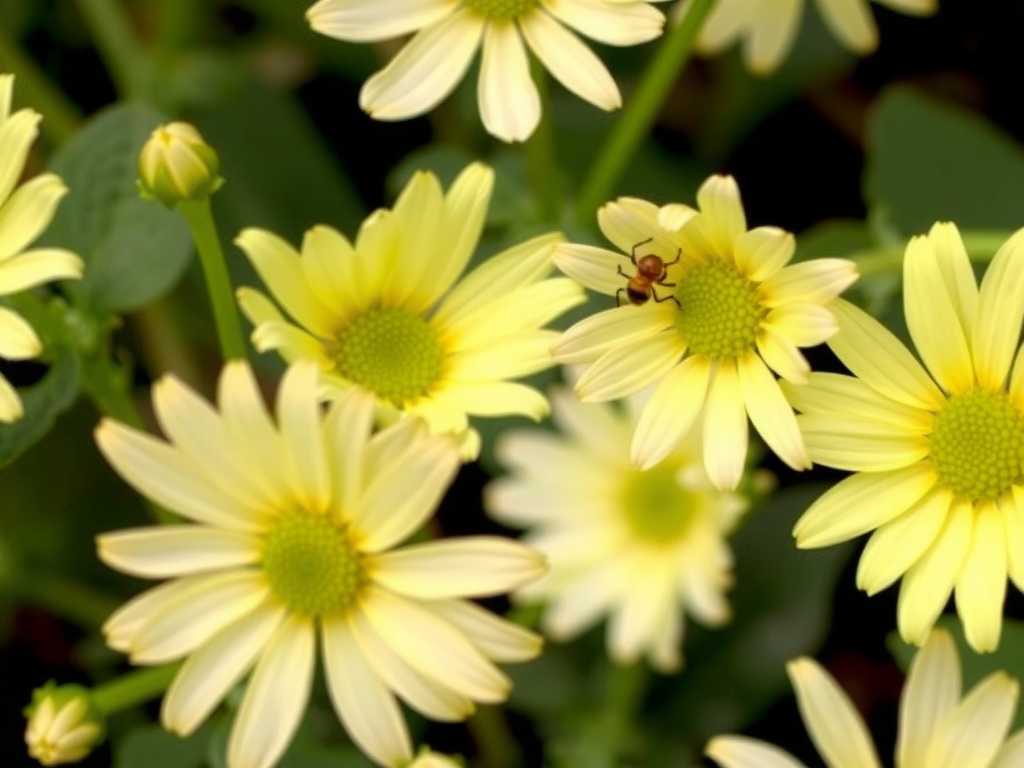
Before you can fight a problem, you need to know what you’re up against. Preventing leaf blight on chrysanthemums starts with recognizing it. Leaf blight, often a fungal issue like Septoria leaf spot, begins as small yellow spots that rapidly turn brown or black, sometimes with a concentric ring pattern. It spreads from the bottom up, defoliating the plant and weakening its ability to bloom.
Aphids, those soft-bodied green or black insects, are a different beast. They cluster on tender new growth and undersides of leaves, sucking sap and excreting a sugary substance called honeydew. This honeydew then fosters sooty mold, further stressing the plant. An effective aphid control for mums strategy must be swift and persistent.
My Integrated Prevention Plan: Building a Healthy Foundation
The cornerstone of managing both issues is creating an environment where your chrysanthemums thrive and pests struggle. I learned the hard way that skipping these steps sets you up for a constant battle.
1. Strategic Planting and Site Selection I used to cram my mums into a partly shaded, crowded bed because I loved the color density. Big mistake. Poor air circulation and excess moisture are an open invitation for fungal spores. Now, I always plant in a location with at least 6 hours of direct sunlight and ensure there’s ample space between plants—at least 18-24 inches. This allows leaves to dry quickly after rain or watering, drastically reducing the conditions leaf blight fungi need to germinate. The Royal Horticultural Society (RHS) consistently emphasizes good air circulation as a primary defense against fungal diseases, and I can confirm it’s the single most impactful change I made.
2. The Art of Smart Watering Overhead watering is like giving leaf blight a free ride. I used a sprinkler for convenience, and my plants paid the price. I switched to a soaker hose or drip irrigation system, which delivers water directly to the soil. I water deeply in the morning, so any splashed leaves have the entire day to dry. This simple change alone reduced the initial appearance of leaf spots by what felt like 80%.
3. Rigorous Sanitation This is non-negotiable. In the fall, I used to leave spent plant debris as “winter mulch.” All I did was provide a cozy home for fungal spores and aphid eggs. Now, I practice meticulous garden hygiene. At season’s end, I remove and destroy (do not compost) all chrysanthemum debris. Throughout the growing season, I inspect plants weekly and immediately snip off any leaves showing the earliest signs of blight, placing them straight into a trash bag. This removes inoculum before it can spread.
My Two-Week Treatment and Observation Protocol
Despite perfect prevention, sometimes problems sneak in. Last September, I noticed a few aphids on one plant and some suspect yellow spots on another. Here’s the exact chrysanthemum disease and pest management routine I followed for the next 14 days.
Week 1: Immediate Action and Initial Assessment
- Day 1-2: Identification and Isolation. I confirmed the aphids were the common green peach aphid and the leaf spots matched early Septoria. I gently moved the affected plants slightly apart from the main group to slow potential spread.
- Day 3: The First Treatment.
- For Aphids: I skipped harsh chemicals. My first line of defense was a strong jet of water from my hose to knock the aphids off the plant. For the stubborn ones, I mixed a homemade insecticidal soap: 1 tablespoon of pure castile soap per quart of water. I tested it on a single leaf, waited 24 hours, and seeing no damage, sprayed it thoroughly on all infested areas, especially under leaves. The soap dissolves the aphids’ protective coating.
- For Leaf Blight: I removed all visibly spotted leaves with sterilized pruners. Then, I applied a copper-based fungicide, a recommendation I cross-referenced from both my local extension service and the American Horticultural Society’s (AHA) resources on organic-friendly controls. I coated both the tops and bottoms of all leaves until runoff, early in the morning.
- Day 4-6: Observation. I checked daily. The aphid population was visibly reduced, but not gone. The leaf blight progression on the treated plant seemed halted. No new spots appeared.
The “Catch” I Experienced and How I Solved It
Here was my mistake: I only applied the treatments once and assumed victory. By Day 7, I saw a few new, tiny aphids on the same plant and a new, faint yellow spot on a different mum nearby. I realized my protocol wasn’t persistent enough. Aphids reproduce incredibly fast, and fungicides are protectants, not eradicants. They form a barrier but need reapplication to protect new growth.
Week 2: Adjustment and Persistence
- Day 8: Second Treatment Cycle. I repeated the insecticidal soap spray for aphids. For the fungicide, I re-applied it, as the label directed a 7-10 day interval for ongoing protection. This time, I also applied it as a preventative measure to all my other healthy chrysanthemums, not just the visibly affected one.
- Day 9-14: Diligent Monitoring. I inspected every other day. The key was consistency. The second soap application broke the aphid life cycle. No new leaf spots developed on any plant. The originally affected plants held their remaining foliage, and new buds continued to form healthily.
By the end of the two weeks, the outbreak was contained and eliminated. The plants rebounded without losing their flower buds. The lesson was clear: persistence and treating the entire garden bed, not just the sick plant, are crucial.
Boosting Plant Immunity and Long-Term Health
A healthy plant is more resistant. I now feed my mums with a balanced, slow-release fertilizer in early spring and again in early summer, but I avoid high-nitrogen formulas later in the season. Excess nitrogen promotes the soft, succulent growth that aphids adore. A study cited by the RHS showed that properly fertilized plants have thicker cell walls, making them slightly more resistant to piercing-sucking insects like aphids.
I also actively encourage beneficial insects. Planting companion flowers like alyssum, dill, and yarrow near my chrysanthemum patch attracts ladybugs, lacewings, and hoverflies—all voracious predators of aphids. It’s a beautiful and effective form of natural pest control for chrysanthemums.
When Problems Persist: Considering Other Options
For severe, recurring issues, you may need to consider resistant chrysanthemum varieties—many modern cultivars are bred for disease resistance. As a last resort for catastrophic aphid infestations, horticultural oils or systemic insecticides can be used, but always as directed and with care for pollinators. For persistent fungal issues, rotating between different fungicide classes (like chlorothalonil and myclobutanil) can prevent pathogen resistance, a point often stressed in professional horticulture guidelines.
Your Questions, Answered
Can I use neem oil for both aphids and leaf blight? Yes, neem oil is a fantastic multi-purpose tool. It acts as both an insecticide (disrupting aphid feeding and growth) and a fungicide. In my experience, it’s slightly less immediately knock-down on aphids than insecticidal soap but offers broader protection. I often use it as a preventative spray every 10-14 days during high-risk periods. Always apply in the cooler evening hours to avoid leaf burn.
How do I tell if leaf spots are from blight or a nutrient deficiency? Fungal leaf spots are usually irregular, start as discrete lesions, and spread from leaf to leaf. They often have a defined border or concentric rings. Nutrient deficiencies, like a lack of magnesium, typically cause more uniform yellowing between veins or across entire older leaves, not isolated, spreading spots. When in doubt, removing a sample leaf and consulting with your local nursery or extension service is wise.
Are aphids on my potted chrysanthemums treated the same way? Absolutely. In fact, control can be easier. For a potted mum, after using a water jet or soap spray, you can also try the “tape trick.” Wrap your hand with sticky-side-out packing tape and gently pat the leaves. It’s surprisingly effective at lifting off remaining aphids. Just be sure to isolate the potted plant away from others until the infestation is clear.
Seeing your chrysanthemums flourish, free from the blight and bugs that once plagued them, is one of the most rewarding feelings for a gardener. It requires a shift from reactive panic to proactive, consistent care. By building strong plants through smart culture, practicing vigilant sanitation, and intervening early and persistently with the right tools, you can enjoy the spectacular fall display your mums are meant to provide. Remember, the goal isn’t a sterile garden, but a balanced, resilient one where you’re always one step ahead.