bluename
 How to Do Basic Maintenance for Daylilies to Avoid Issues After Repotting
You’ve just finished repotting your daylilies, expecting a season of vibrant blooms. Instead, you’re faced with drooping leaves, a lack of flowers, or worse—a plant that seems to be slowly dying. This frustrating scenario is all too common. The truth is, the work isn’t over once the plant is in its new pot. Proper aftercare is the critical, often overlooked, step that determines whether your daylily thrives or struggles. This guide will walk you through the essential basic maintenance for daylilies needed immediately after repotting and in the following weeks to ensure a smooth transition and robust growth.
Understanding why this phase is so delicate is key. Repotting, even when done carefully, is a shock to the plant’s system. Roots are disturbed, the microbial environment changes, and the plant must redirect energy to re-establish itself. Without the right support, the plant becomes vulnerable to stress, disease, and poor performance.
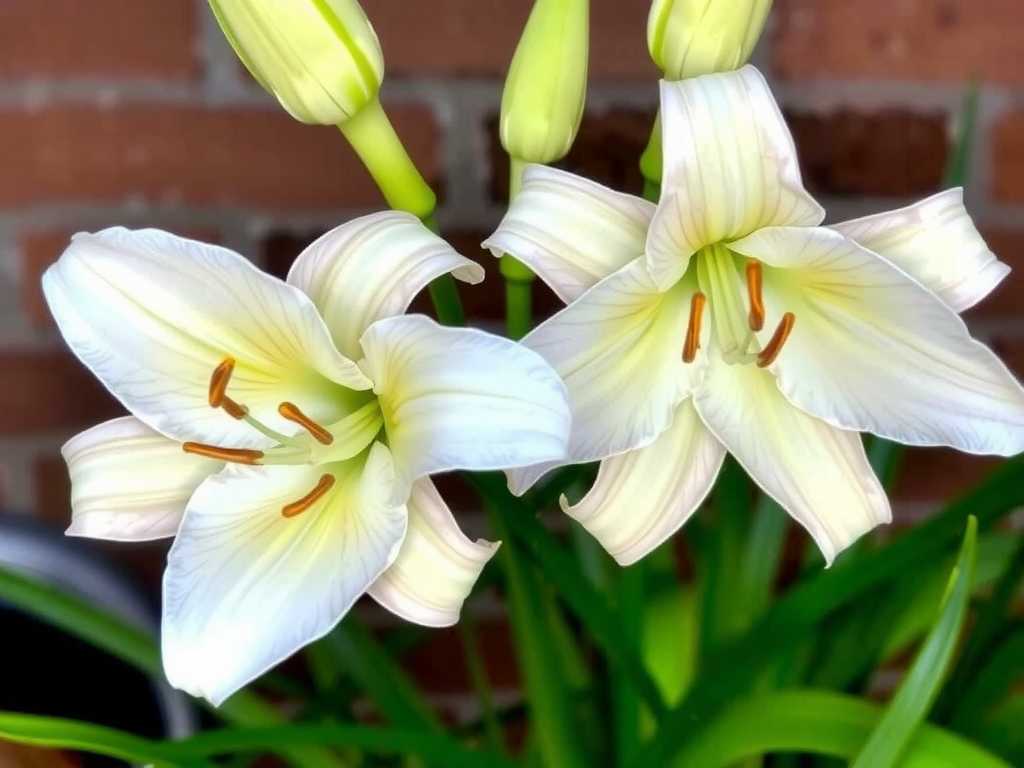
The Critical First Weeks: Post-Repotting Care Protocol
The initial 3-4 weeks after repotting set the stage for your daylily’s future health. Focus on these four pillars: watering, placement, holding off on fertilizer, and monitoring.
Immediate and Strategic Watering Your first action after repotting must be a thorough, deep watering. This is called “settling in” the soil. It eliminates air pockets around the roots, ensures good root-to-soil contact, and provides essential hydration. Use a watering can with a gentle rose attachment to avoid displacing soil. Going forward, the goal is consistently moist but never soggy soil. Check the top inch of soil daily. If it feels dry, water deeply until it runs out of the drainage holes. Overwatering is a leading cause of root rot in freshly repotted plants, as the disturbed roots are less able to handle excess moisture. Horticulturist Dr. Linda Chalker-Scott emphasizes in her research that “post-transplant stress is often compounded by improper irrigation, either too much or too little.”
The Ideal Location for Recovery Do not place your repotted daylily in full, blazing sun immediately. While daylilies are sun-lovers, they need a brief period of reduced light to recover without the added stress of intense transpiration. Place the pot in a location with bright, indirect light or morning sun with afternoon shade for about 7-10 days. After this recovery period, you can gradually move it back to its preferred full-sun location (at least 6 hours of direct sun).
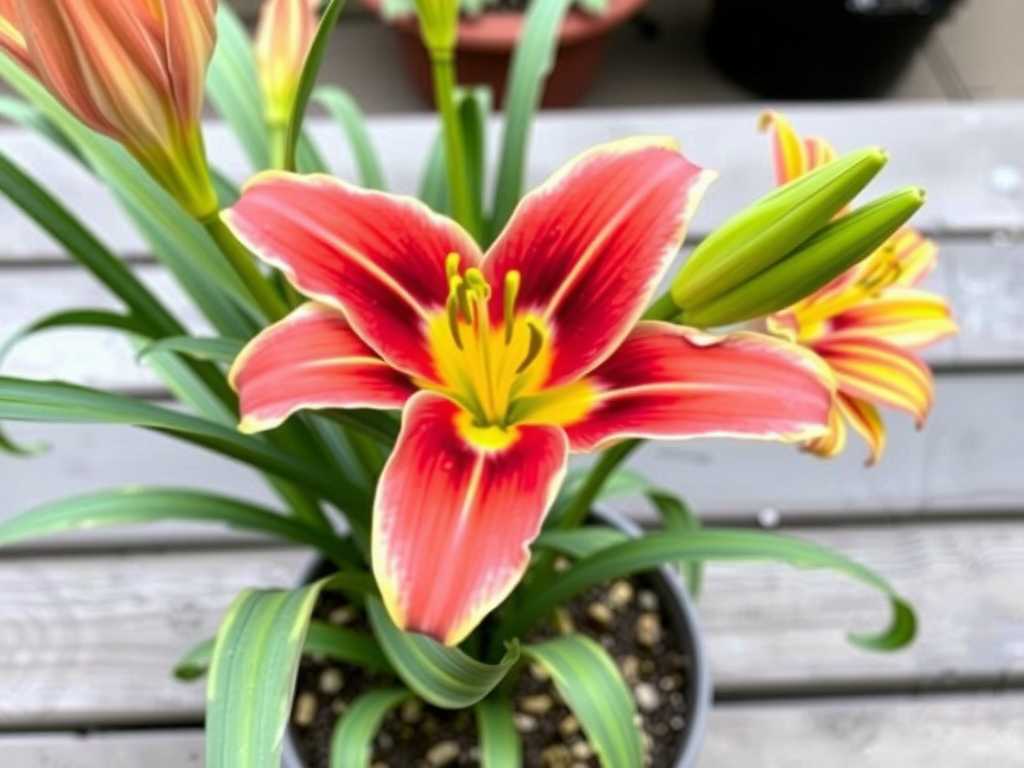
Why You Must Withhold Fertilizer This is a common mistake. Do not fertilize your daylily at the time of repotting or for the first 4-6 weeks afterward. Fresh potting mix often contains slow-release fertilizer, and the plant’s priority is root healing, not top growth. Applying fertilizer can chemically “burn” the tender new root hairs and force growth at the wrong time, further stressing the plant. As the American Daylily Society advises, “Allow the plant to focus on root establishment before encouraging foliar or floral production.”
Daily Monitoring for Early Signs Make a quick daily inspection part of your routine. Look for:
- Positive Signs: New, green growth from the center of the fan (the “spring”).
- Stress Signs: Slight wilting or yellowing of one or two older outer leaves is normal as the plant reallocates resources. Remove these gently.
- Danger Signs: Widespread wilting, mushy crowns, or blackening leaf bases signal potential overwatering or rot.
Long-Term Maintenance for Sustained Health
Once your daylily has pushed out new growth and seems firmly established, shift to a long-term care routine designed to prevent future issues.
Developing a Seasonal Watering Rhythm As roots fill the pot, their water needs change. Establish a deep, infrequent watering schedule. Water only when the top 1-2 inches of soil are dry, then soak thoroughly. This encourages roots to grow deep and strong. In peak summer heat, watering frequency will naturally increase. Always water at the soil level, not over the foliage, to prevent leaf spot diseases.
The Right Fertilizer at the Right Time Begin fertilizing 6-8 weeks after repotting. Use a balanced, slow-release fertilizer (e.g., 10-10-10) or one slightly higher in phosphorus (the middle number) to promote blooming. Apply according to package directions in early spring and again after the main bloom flush. Avoid high-nitrogen fertilizers late in the season, as they promote soft growth vulnerable to frost.
Vigilance Against Pests and Diseases A stressed plant is a target. Common post-repotting issues include:
- Aphids & Spider Mites: Check leaf undersides. A strong blast of water or insecticidal soap usually controls them.
- Crown or Root Rot: Caused by soggy soil. Ensure pots have drainage holes and you’re not overwatering. Fungicides can be used preventatively if rot has been a prior issue.
- Leaf Streak: A fungal disease showing as brown streaks along leaves. Improve air circulation, water at the base, and remove affected foliage. Fungicides are an option for severe cases.
The Importance of Division and Repotting Cycles Daylilies are vigorous. To avoid becoming pot-bound—which leads to reduced flowering, crowded roots, and nutrient depletion—plan to divide and repot them every 3-4 years. The best time is early spring or immediately after flowering. This proactive basic maintenance for daylilies is the ultimate strategy to avoid major issues.
Addressing Your Top Concerns
My repotted daylily isn’t blooming. What did I do wrong? Don’t panic. It’s very common for a daylily to skip a bloom cycle after the stress of repotting. It is channeling energy into root development. Ensure it gets full sun (6+ hours), and be patient. With proper care, it should return to its normal blooming schedule by the next season. Avoid excess nitrogen fertilizer, which promotes leaves over flowers.
How can I tell if I’m overwatering or underwatering after repotting? The symptoms can look similar—wilting. Check the soil. If it’s soggy and the plant is wilting, it’s likely overwatering and root rot may be setting in. Let the soil dry out significantly. If the soil is bone dry and dusty, the plant is underwatered. Soak the pot thoroughly. The best approach is the finger test: water only when the top inch of soil is dry.
When is it safe to move my daylily from its recovery spot into full sun? After about 7-10 days in a sheltered location, begin the transition. Move it to a spot with an extra hour of direct morning sun for 2-3 days. Then, increase its exposure by another hour or two every few days until it is tolerating its full, intended sunlight. This process, called “hardening off,” prevents sunscald on leaves that have adapted to lower light.
Success with repotted daylilies hinges on recognizing that the process continues long after the plant is back in the soil. By mastering the immediate post-repotting protocol—judicious watering, sheltered placement, and a fertilizer hiatus—you give your plant the foundation to overcome transplant shock. Transitioning into a long-term care rhythm of deep watering, timed feeding, and pest vigilance will then support vigorous growth and prolific blooming for seasons to come. Remember, the few weeks of attentive care you provide after repotting are your best investment for a resilient and beautiful daylily.