bluename
 How to Prevent Bulb Diseases of Hyacinths and Grape Hyacinths
Nothing is more disheartening for a gardener than eagerly planting hyacinth and grape hyacinth (Muscari) bulbs in the fall, only to find them rotting in the soil or producing weak, diseased foliage come spring. Preventing bulb diseases in hyacinths and grape hyacinths is crucial for ensuring a vibrant and fragrant display of blooms year after year. These popular spring bulbs are generally resilient, but they are susceptible to various fungal and bacterial pathogens that can lurk in the soil or on the bulbs themselves. This guide will walk you through a comprehensive, step-by-step strategy to protect your bulbs from common ailments like basal rot, botrytis blight, and viruses, ensuring your garden remains a healthy spectacle of color.
Understanding Common Bulb Diseases
Before we dive into prevention, it's helpful to know what you're up against. Recognizing the symptoms early can sometimes save the rest of your planting.
Basal Rot, caused by the fungus Fusarium oxysporum, is a primary culprit. It attacks the base (basal plate) of the bulb, causing it to turn pinkish-brown and become soft and rotten. The rot then moves upward, often leading to stunted growth, yellowing leaves, and failure to bloom. Botrytis Blight or "fire," caused by Botrytis cinerea, manifests as brown spots on leaves and flowers, often with a gray, fuzzy mold in humid conditions. It can quickly spread in wet weather. Viral diseases, often spread by aphids, show up as streaked, mottled, or distorted leaves and flowers. Unlike fungal issues, viral infections have no cure.
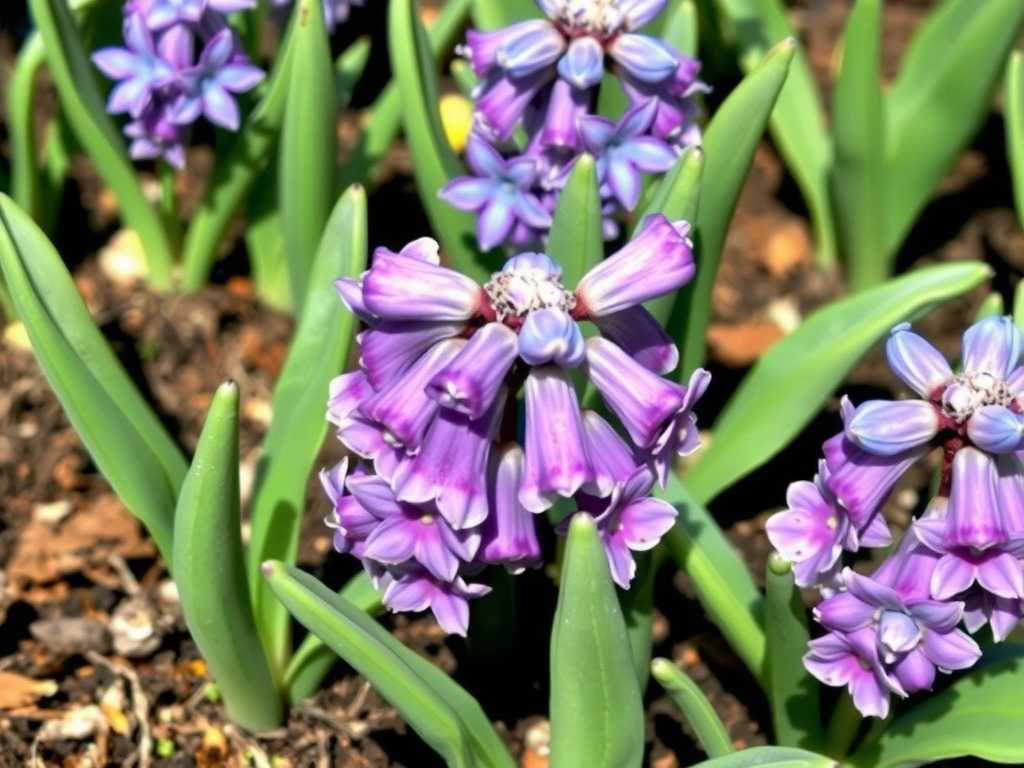
The First Line of Defense: Selecting and Inspecting Bulbs
Your success story begins at the point of purchase. Always source bulbs from reputable, certified suppliers. Expert growers like those at the Royal Horticultural Society emphasize that high-quality, disease-free bulbs are the single most important factor in prevention.
Inspect each bulb carefully before planting. A healthy hyacinth or grape hyacinth bulb should be firm and heavy for its size, with a papery tunic (outer skin) that is intact and free of major blemishes. Avoid bulbs that are soft, lightweight, have visible mold, or show dark, sunken spots, especially at the base. A faint, earthy smell is normal; a sour or rotten odor is a definite red flag.
Preparing the Perfect Planting Site
Soil conditions are paramount. Both hyacinths and grape hyacinths demand excellent drainage. Soggy soil is an open invitation for fungal diseases to thrive.
Choose a site with full sun to light shade. Test your soil's drainage by digging a hole about 12 inches deep and filling it with water. If it drains within an hour, you're in good shape. If not, you must amend it. Incorporate a generous amount of coarse sand, grit, or well-rotted compost to improve soil structure and drainage. Raised beds are an excellent solution for gardens with heavy clay soil. A study on bulb pathology from Cornell University notes that improving soil porosity reduces the waterlogging that pathogens need to proliferate.
Best Practices for Planting and Spacing
Proper planting technique sets the stage for a healthy root system and reduces stress, making bulbs less susceptible to disease.
Plant hyacinth bulbs about 4-6 inches deep and grape hyacinth bulbs 3-4 inches deep, measuring from the base of the bulb. A good rule of thumb is to plant at a depth equal to three times the bulb's height. Ensure the pointed end faces upward. Adequate spacing is critical—plant hyacinths 3-6 inches apart and grape hyacinths 2-3 inches apart. Crowded bulbs compete for nutrients and create a humid microenvironment that encourages fungal growth. After placing the bulb, backfill the hole gently to avoid air pockets.
Smart Watering and Fertilization Strategies
Overwatering is a common mistake. Water the bulbs thoroughly at planting time to settle the soil. After that, rely on natural rainfall during the fall and winter unless conditions are exceptionally dry. In the spring, provide about an inch of water per week if rainfall is insufficient, but always allow the soil to dry out slightly between waterings. Avoid overhead watering which wets the foliage; use a soaker hose or water at the base of the plants instead.
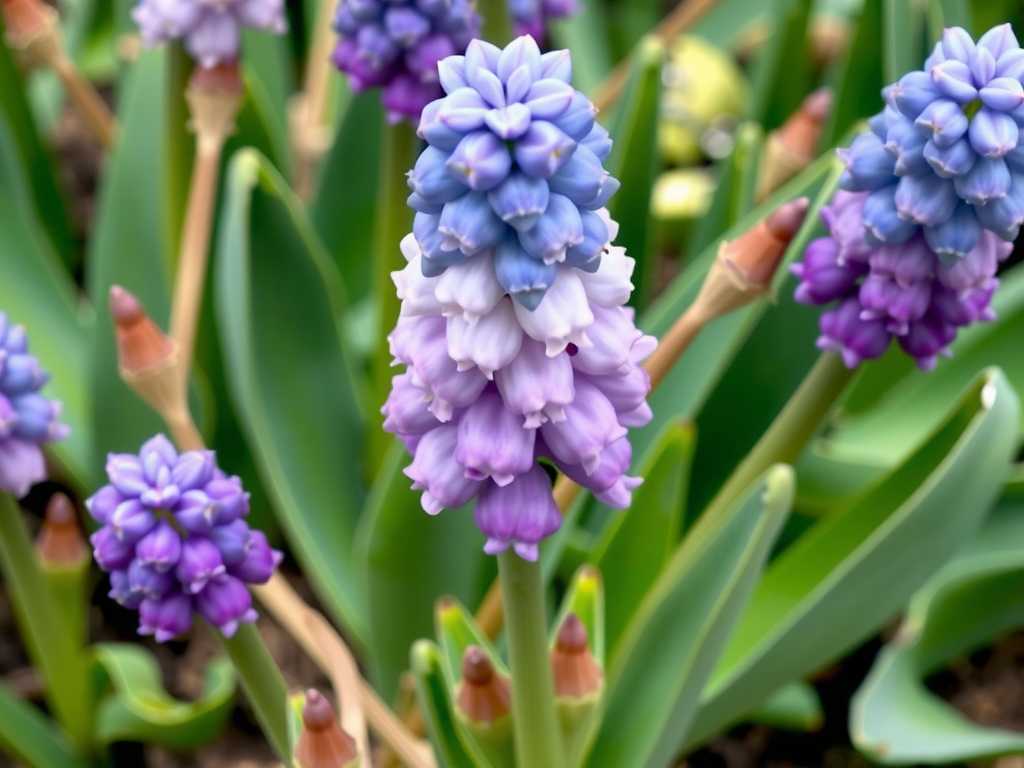
Fertilize wisely. At planting time, mix a balanced, slow-release bulb fertilizer or bone meal into the soil below the bulb. In early spring, as shoots emerge, a light application of a balanced fertilizer can support growth. Avoid high-nitrogen fertilizers, as they promote soft, sappy growth that is more vulnerable to disease.
Seasonal Care for Ongoing Health
Post-bloom care is just as important as planting care. Allow the foliage to die back naturally. The leaves are photosynthesizing and sending energy down to the bulb for next year's bloom. Do not braid, tie, or cut the leaves while they are still green. You can remove the faded flower stalk to prevent seed formation, which diverts energy.
For hyacinths, some gardeners practice lifting bulbs in warmer climates (USDA zones 8+) where they don't receive sufficient winter chilling. If you lift them, let them dry in a cool, airy place, remove old soil and foliage, and store them in a mesh bag in a cool, dark, dry location until fall replanting. Grape hyacinths naturalize readily and typically do not need lifting.
Proactive Sanitation and Disease Control
Sanitation is your most powerful tool. Always clean your gardening tools, especially spades and trowels, with a disinfectant (a 10% bleach solution or rubbing alcohol) between uses, particularly if you've been working in an infected area. Remove and destroy any diseased plant material immediately—do not compost it, as most home compost piles do not get hot enough to kill persistent pathogens.
Practice crop rotation. Avoid planting bulbs from the same family (like tulips, another susceptible plant) in the exact same spot year after year. Rotate to a different bed for at least three years to break disease cycles in the soil.
Addressing Problems: When Disease Strikes
Despite best efforts, problems can occur. If you notice a plant with botrytis blight, remove the affected leaves or flowers promptly. For basal rot, you must dig up the entire infected bulb and several inches of the surrounding soil. Dispose of it in the trash. There are no effective chemical treatments for these diseases for home gardeners, making prevention all the more critical. For viral infections, removal and destruction of the entire plant is the only course of action to prevent spread to healthy plants by insects.
Can I use a fungicide on my hyacinth bulbs as a preventative measure? While commercial growers may use fungicide dips, it is generally not recommended or necessary for home gardeners who follow proper cultural practices. Focusing on creating healthy soil, ensuring good drainage, and planting disease-free bulbs is far more effective and environmentally friendly.
My grape hyacinths are very crowded. Should I divide them to prevent disease? Yes, overcrowding can lead to increased moisture and disease pressure. The best time to divide grape hyacinths is in the late summer or early fall when they are dormant. Carefully dig up the clumps, separate the individual bulbs, and replant them immediately at the proper spacing in amended soil.
Is it safe to plant new bulbs where diseased ones were growing? It is risky. It's best to remove as much of the old soil as possible and replace it with fresh, well-draining soil from another part of your garden or a reputable bagged mix. If that's not feasible, ensure you wait at least 2-3 years before replanting bulbs in that location and rigorously follow all the prevention steps outlined above.
By integrating these practices—starting with vigilant bulb selection, preparing a well-draining site, planting correctly, watering mindfully, and maintaining strict garden hygiene—you build a robust defense system for your hyacinths and grape hyacinths. This proactive approach minimizes stress on the plants and creates an environment where they can thrive, naturally resisting the pathogens that cause bulb diseases. Your reward will be springs filled with the stunning, healthy blooms and captivating fragrance these bulbs are celebrated for.