bluename
 How to Distinguish Big-Flower Hydrangea Varieties and Panicle Hydrangea Varieties?
Have you ever stood in a garden center, captivated by the stunning blooms of hydrangeas, only to feel completely overwhelmed by the choices? You’re not alone. One of the most common points of confusion for gardeners is telling apart the iconic, globe-shaped Big-Flower Hydrangea varieties and the elegant, cone-shaped Panicle Hydrangea varieties. Understanding the difference is crucial, as it directly impacts where you plant them, how you care for them, and ultimately, the success of your garden display. This guide will equip you with the knowledge to confidently identify these two popular groups and choose the perfect one for your space.
Understanding the Two Main Groups
First, let's clarify the botanical names, as this is the key to all other differences. What are commonly called "Big-Flower Hydrangeas" are typically cultivars of Hydrangea macrophylla, also known as mophead or lacecap hydrangeas. "Panicle Hydrangeas" belong to the species Hydrangea paniculata. These two species have evolved with distinct characteristics, from their flower shape and growth habit to their hardiness and pruning needs.
Key Difference 1: Flower Shape and Structure
This is the most immediate and visual clue.
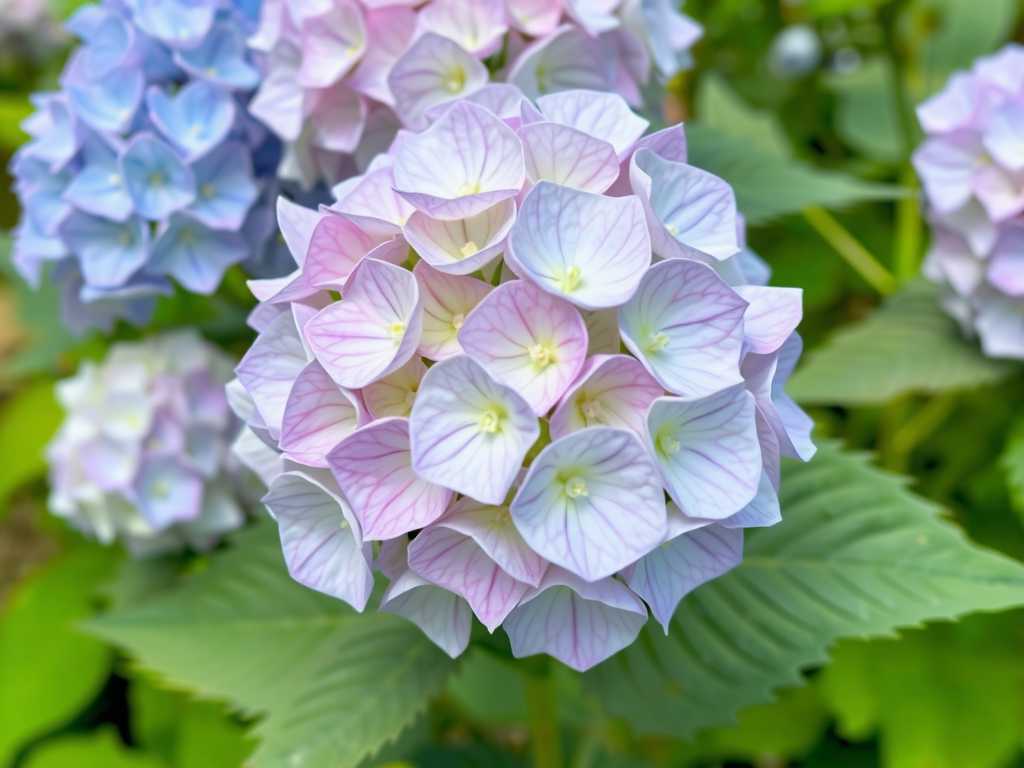
Big-Flower Hydrangea (Hydrangea macrophylla) Blooms The flowers of this group are large, rounded clusters. There are two main types within this category: Mopheads and Lacecaps. Mopheads feature large, pompom-like globes of showy sterile florets. Lacecaps have a flatter structure, with a center of tiny, fertile flowers surrounded by a ring of larger, sterile ones. As noted by horticulturist Dr. Michael Dirr, "The macrophylla hydrangea offers that classic, nostalgic bloom that defines summer in many gardens." Their bloom color can famously shift between pink and blue based on soil pH.
Panicle Hydrangea (Hydrangea paniculata) Blooms True to their name, Panicle Hydrangeas produce elongated, conical flower clusters known as panicles. These panicles are composed of a mixture of showy sterile flowers and smaller fertile ones, creating a lacy, elegant effect. The blooms typically start out white or cream, often age to shades of pink and rose, and finally turn to a tan or beige in fall, providing extended seasonal interest.
Key Difference 2: Growth Habit and Plant Form
How the plant grows is another major differentiator.
Big-Flower Hydrangea Growth Pattern Hydrangea macrophylla varieties generally form a rounded, bushy shrub. They tend to have a more compact and mounded shape, usually growing 3-6 feet tall and wide. Their stems are often sturdier and the leaves are broad, glossy, and ovate.
Panicle Hydrangea Growth Pattern Hydrangea paniculata is known for its more upright, sometimes even tree-like form. Many varieties can be pruned to grow as small single or multi-stemmed trees (often called "standards"). They are generally larger, with many cultivars reaching 6-15 feet in height. Their growth is more vigorous and architectural, with stems that often have a reddish tinge.
Key Difference 3: Sun Tolerance and Hardiness
This is perhaps the most critical factor for planting success.
Big-Flower Hydrangea Preferences Big-leaf hydrangeas prefer partial shade, especially in hotter climates where afternoon sun can scorch their leaves and wilt blooms. They thrive in morning sun and afternoon dappled shade. In terms of cold hardiness, they are generally suited to USDA zones 6-9. A major frustration for gardeners in colder zones is that they often bloom on "old wood" (last year's growth), and flower buds can be killed by a late frost.
Panicle Hydrangea Preferences Panicle Hydrangeas are the sun lovers of the family. They perform best and produce the most abundant blooms in full sun to partial sun (at least 6 hours of direct sunlight). They are also significantly more cold-hardy, thriving in zones 3-8. They bloom on "new wood" (current season's growth), so even if the plant dies back in a harsh winter, it will regrow and flower reliably in the summer.
Key Difference 4: Pruning Requirements
Pruning at the wrong time is a classic mistake that leads to a flowerless season.
Pruning Big-Flower Hydrangeas The rule here is caution. Since most bloom on old wood, the best time for pruning is immediately after they finish flowering in summer. This gives the plant time to set next year's flower buds on the old wood before winter. Pruning in late fall or spring will likely remove the coming season's blooms.
Pruning Panicle Hydrangeas Panicle Hydrangeas are much more forgiving. Blooming on new wood, they can be pruned in late winter or early spring before new growth begins. In fact, they often benefit from a hard pruning to encourage strong stems and larger panicles. You have a wide window for pruning without sacrificing flowers.
A Quick-Reference Comparison Chart
To summarize the core distinctions at a glance:
- Flower Form: Big-Flower = Round globe or lacecap; Panicle = Cone-shaped panicle.
- Bloom Color: Big-Flower = Blues, pinks, purples (soil pH dependent), whites; Panicle = White aging to pink/red, then tan.
- Bloom Time: Big-Flower = Early to mid-summer; Panicle = Mid-summer to fall.
- Sun Needs: Big-Flower = Partial shade; Panicle = Full sun to part sun.
- Hardiness (USDA): Big-Flower = Zones 6-9; Panicle = Zones 3-8.
- Pruning: Big-Flower = After summer flowering (on old wood); Panicle = Late winter/early spring (on new wood).
- Mature Size: Big-Flower = 3-6 ft rounded shrub; Panicle = 6-15 ft upright shrub or small tree.
Making the Right Choice for Your Garden
Now that you can distinguish them, which one is right for you? Choose Big-Flower Hydrangeas if you have a shaded or part-shade garden, live in a milder climate, and desire those classic, color-changing blue or pink blooms. They are perfect for foundation plantings and shaded borders. Choose Panicle Hydrangeas if you have a sunny spot, live in a region with cold winters, want late-summer to fall blooms, and prefer a low-maintenance shrub that won't lose its flowers to a late frost. They excel as focal points, hedges, or even patio trees.
Can I change the color of Panicle Hydrangea blooms like I can with Big-Leaf Hydrangeas? No, you cannot. The famous color change (blue to pink) is specific to Hydrangea macrophylla and is influenced by soil aluminum availability and pH. Panicle Hydrangea blooms change color naturally as they age, from white to pink, based on genetics and environmental factors like cool nights, not soil chemistry.
I have a very cold winter. Which type is more likely to bloom? Panicle Hydrangeas are the clear winner for cold climates. Because they flower on new growth produced in the current season, they are virtually guaranteed to bloom even after the toughest winters. Big-Flower Hydrangeas often lose their flower buds to cold, leading to a green bush with no blooms.
Is there a hydrangea that can tolerate full sun and still have big, round flowers? While not a macrophylla, consider Hydrangea arborescens varieties like 'Incrediball'. They produce huge, round white flowers on new wood and tolerate more sun than Big-Leaf types. However, for the classic macrophylla look in more sun, look for newer, sun-tolerant cultivars labeled as such, but they will still appreciate some afternoon shade in hot zones.
Distinguishing between Big-Flower and Panicle Hydrangea varieties boils down to observing their flower shape, understanding their growth habits, and most importantly, matching their needs to your garden's conditions. By focusing on the key differences in bloom structure, sun requirements, hardiness, and pruning, you can move from confusion to confidence. Whether you choose the romantic, shade-loving mophead or the resilient, sun-worshipping panicle, you are now equipped to make an informed choice that will bring reliable beauty to your landscape for years to come.